
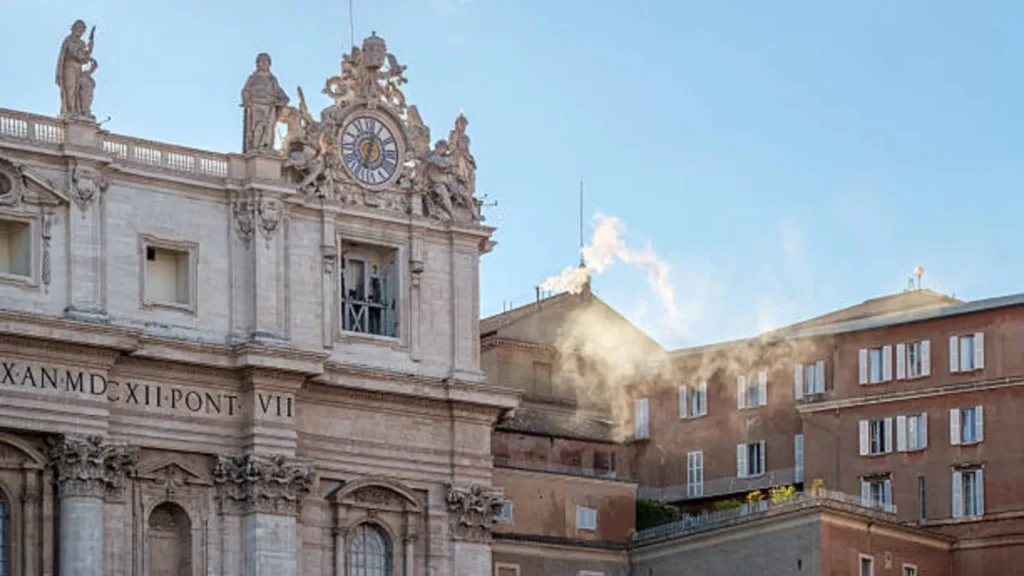

Ancient moral authority and cutting-edge computer science collided when the Vatican issued a historic challenge to the rapid, unregulated progression of artificial intelligence. The Pope Leo XIV AI warning arrived in the form of the pontiff’s highly anticipated first papal encyclical, titled Magnifica Humanitas (“Magnificent Humanity”). This massive, detailed text offers a profound ethical critique of automated systems, positioning the unchecked AI boom as one of the greatest moral tests in human history.
Yet, as the Vatican sounds the alarm over autonomous destruction, job loss, and corporate opacity, the global tech ecosystem has responded with a deafening silence. This emerging tension between the Holy See’s sweeping ethical framework and Silicon Valley’s quiet, hyper-commercialized race for market dominance marks a critical shift in how global technology governance is debated.
The Pillars of Magnifica Humanitas: A New Ethical Blueprint
Magnifica Humanitas was intentionally released on the 135th anniversary of Rerum Novarum, Pope Leo XIII’s landmark 1891 encyclical addressing the social upheavals of the Industrial Revolution. By drawing this historical parallel, Pope Leo XIV frames the artificial intelligence boom not merely as a software upgrade, but as a total restructuring of human labor, dignity, and power. The encyclical breaks its critique into three urgent pillars.
1. The “Spiral of Annihilation” in Automated Warfare
The most severe dimension of the Pope Leo XIV AI warning targets the defense sector. The Pope dedicated a substantial portion of the text to the rise of autonomous weapons systems, warning that letting machines make lethal, life-or-death decisions pushes warfare “practically beyond any human reach” or moral accountability.
[ AI Military Systems ] ───> [ Automated Target Selection ] ───> [ Dehumanized Lethal Strike ]
                                                                             │
  CRITICAL VATICAN INTERVENTION: "AI demands to be disarmed." <──────────────┘
The pontiff noted that when the decision to strike becomes opaque and automated, the risk of humanity abdicating its moral duty increases exponentially. During the official presentation of the text in Vatican City, Leo stated explicitly that “Artificial Intelligence now demands to be disarmed, freed from logics that turn it into an instrument of domination, exclusion and death.”
2. The Modern “Tower of Babel”
Using vivid biblical allegory, the encyclical describes the frantic, unchecked global race for artificial general supremacy as a modern-day Tower of Babel. The Pope cautioned that tech creators, driven by a “dehumanizing ambition,” are constructing an opaque environment of hyper-complex algorithms that they themselves do not fully understand. By isolating technical advancement from fundamental human accountability and divine ethics, humanity risks building a fractured infrastructure of automated hubris that could collapse back onto society.
3. Algorithmic Injustice and Bias
Beyond the battlefields, the Vatican expressed deep anxiety over the creeping integration of AI into civilian life. The document highlights how biased or unjust data tracking systems are already quietly making life-altering decisions behind closed doors. From automated recruitment screening to predictive financial security models and healthcare access filters, Magnifica Humanitas warns that a small group of firms control vast amounts of data and computing power. Without public oversight, this concentration of tech power risks giving rise to “new dependencies, exclusions, manipulations and inequalities.”
Decoding the Tech Industry’s Corporate Silence

Despite the monumental scale of the encyclical, executive leadership across Silicon Valley and major international tech hubs has remained overwhelmingly quiet. This collective muteness stands in sharp contrast to previous years, when tech CEOs routinely traveled to Rome for high-profile ethics panels, photo opportunities, and the signing of voluntary ethical pledges.
The industry’s current reluctance to engage highlights the shift from experimental AI to aggressive, multi-billion-dollar commercialization. In today’s market, frontier AI labs operate inside intense commercial, geopolitical, and competitive constraints. The pressure to remain financially viable and secure venture capital leaves very little room for corporate leaders to endorse sweeping ethical frameworks that suggest capping automated deployment or slowing down development.
However, the silence was broken by an unexpected ally. The Vatican invited Anthropic co-founder Chris Olah to speak during the launch event in Rome. In a rare moment of corporate candor, Olah validated the Pope’s concerns, stating:
“Every frontier AI lab—including Anthropic—operates inside a set of incentives and constraints that can sometimes conflict with doing the right thing… That is why, if we want this technology to go well, it is enormously important that there be people outside those incentives—people who care about things going well and insist on safety, who are paying close attention, who are willing to say hard things.”
Geopolitical and Regulatory Implications
The Pope Leo XIV AI warning arrives at a critical geopolitical junction, providing immense moral backing for international bodies pushing for binding legal regulation over big tech.
┌────────────────────────────────────────────────────────────────────────┐
│                    GLOBAL REACTION & ALIGNMENT MATRIX                  │
├───────────────────────────────────┬────────────────────────────────────┤
│     REGULATORY BODIES (EU / UN)   │       POLITICAL LEADERS (U.S.)     │
├───────────────────────────────────┼────────────────────────────────────┤
│ • Leverages moral authority to    │ • U.S. Vice President JD Vance     │
│   strengthen strict compliance    │   praised the encyclical as        │
│   mandates like the EU AI Act.    │   "profound" moral leadership.     │
└───────────────────────────────────┴────────────────────────────────────┘
By explicitly declaring that technology is “never neutral, because it takes on the characteristics of those who devise, finance, regulate and use it,” the Pope effectively dismantled the industry defense that AI is merely an objective, passive tool. This sentiment found resonance across the Atlantic, where U.S. Vice President JD Vance praised the manifesto as a “profound” and necessary act of moral leadership in a highly disruptive digital age.
Furthermore, the document addresses economic dislocation, warning that pursuing greater corporate profits can never justify choices that systematically sacrifice human livelihoods to automation. The Pope urged global governments to proactively implement retraining programs and stronger worker protections before large-scale algorithmic displacement turns into a severe “social calamity.”
Conclusion: The Looming Crisis of Accountability
The release of Magnifica Humanitas marks a definitive line in the sand for the digital era. The Pope Leo XIV AI warning is not a call to reject modern technological innovation out of fear; rather, it is an urgent plea to keep the question of human dignity at the center of the equation.
As algorithms grow more autonomous, mysterious, and deeply woven into our daily lives, humanity must decide whether technology will remain a tool that serves human progress or become an independent instrument of corporate and military dominance. If the ongoing silence from Silicon Valley’s tech titans is any indication, the divide between profit-driven technical advancement and ethical accountability will require much more than voluntary corporate promises to close. It will take a concerted, international effort to ensure that the chain of responsibility remains completely identifiable, verifiable, and anchored in human conscience.
To better understand the geopolitical weight behind this papal address, watch the NBC News Report on Pope Leo’s AI Warning. This video provides direct on-the-scene context from Vatican City, detailing how the historic encyclical is forcing global institutions to confront the realities of automated regulation.