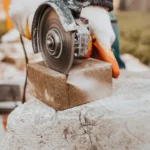
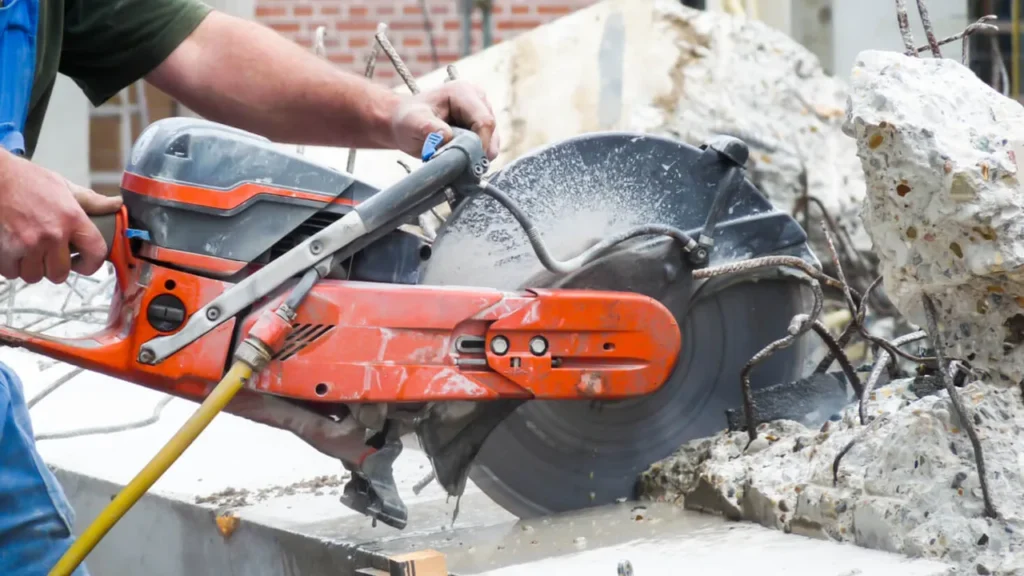

Construction projects often involve materials that are difficult to process with ordinary tools. Concrete, reinforced concrete, granite, marble, masonry, asphalt, tiles, and engineered stone all require cutting, grinding, or drilling methods that can handle high hardness and surface resistance. This is why diamond tools for construction are widely used across building sites, renovation work, roadwork, and stone-related installation tasks.
Unlike basic steel tools, diamond abrasive segments can cut or wear away hard materials with better speed, control, and service life. A diamond saw blade can cut concrete or stone more efficiently. A core drill can create clean round openings for pipes, electrical lines, and mechanical systems. A grinding cup can prepare concrete surfaces before coatings, tiles, or waterproofing systems are installed.
For contractors, the right tool is not only about getting the job done. It affects productivity, safety, edge quality, dust control, labor cost, and the amount of rework needed later. Understanding how different diamond tools for construction support different jobsite tasks can help teams choose the right consumables and avoid unnecessary downtime.
What Makes Diamond Tools Useful In Construction Work?
Diamond is one of the hardest abrasive materials used in industrial tooling. In construction tools, diamond particles are usually bonded into metal segments, resin bonds, or electroplated surfaces. These segments do not cut like a knife. Instead, they grind through hard material by controlled abrasion.
Tool performance depends on several factors: bond hardness, diamond concentration, segment shape, cooling method, machine power, rotation speed, and the material being processed. A tool that works well on asphalt may not perform well on granite. A blade designed for soft masonry may wear too quickly on reinforced concrete.
Wet cutting is often used to reduce heat and control dust, while dry cutting can be practical in certain site conditions when proper dust control is available. If the wrong tool is used, the result may be slow cutting, overheating, segment glazing, excessive dust, poor edge quality, or premature tool failure.
Because construction materials vary so much from one project to another, contractors need to match the tool to the actual working condition, not only to the general task name.
Main Types Of Diamond Tools Used In Construction Projects
Diamond tools cover many jobsite and workshop tasks. Some are made for cutting. Others are designed for drilling, grinding, shaping, or surface preparation. The most common types include diamond saw blades, concrete cutting tools, core drill bits, grinding cups, and stone drilling tools.
Diamond Saw Blade For Cutting Concrete, Stone, And Masonry
A diamond saw blade is one of the most common consumable tools used in construction. It can be fitted to handheld saws, floor saws, masonry saws, tile saws, bridge saws, and cutting machines.
Different blade designs are used for different purposes. A continuous rim blade is often chosen for cleaner cuts in tile or stone. A segmented blade is useful for faster cutting and better cooling in concrete or masonry. A turbo rim blade offers a balance between cutting speed and finish quality.
When choosing a blade, contractors should check the blade diameter, arbor size, RPM rating, segment height, wet or dry cutting compatibility, and the material type. A blade that is too aggressive may chip decorative stone, while a blade that is too fine may cut concrete too slowly.
Concrete Cutting Tools For Structural And Renovation Work
Concrete cutting tools are used in many project situations, including demolition, renovation, utility openings, expansion joints, road cutting, slab modification, and structural repair. Cutting reinforced concrete can be more demanding because the tool may contact steel reinforcement as well as hard aggregate.
For this reason, contractors need to consider cutting depth, machine power, water access, dust control, vibration, and jobsite restrictions. Good concrete cutting tools help reduce chipping, uneven edges, tool overheating, and unnecessary rework.
In renovation projects, accurate cutting is especially important. When crews modify an existing slab, wall, or floor, a clean cut helps protect surrounding structures and makes the next installation step easier.
Core Drill For Openings And Service Penetrations
A core drill is used to create round holes in concrete, masonry, stone, and sometimes asphalt. These holes are commonly needed for plumbing lines, electrical conduits, HVAC systems, drainage openings, anchor points, and inspection samples.
Core drilling may be handheld for smaller holes or rig-mounted for larger and deeper openings. Wet core drilling is often preferred because it reduces heat and helps control dust. The core bit must match the hole diameter, drilling depth, machine power, and material condition.
When drilling reinforced concrete, the bit may encounter rebar, which can slow progress and increase wear. When drilling stone, operators need careful speed control and steady pressure to avoid cracking or chipping the material.
Grinding Cup For Surface Preparation And Leveling
A grinding cup is commonly used with angle grinders or floor grinders to remove high spots, coatings, adhesives, paint, surface laitance, and uneven areas. It is an important tool for surface preparation before applying epoxy, tile, waterproofing, sealers, or floor coatings.
Different segment layouts create different results. A single row grinding cup can remove material quickly. A double row design may provide smoother grinding. Turbo or spiral designs can balance removal speed and surface finish.
Surface preparation is often underestimated, but it directly affects the performance of the next layer. If the surface is not properly prepared, coatings may fail, tiles may not bond well, and repairs may not last.
Stone Drilling Tools For Construction And Installation Tasks
Stone drilling tools are used for granite, marble, limestone, tiles, and engineered stone. Common applications include anchor holes, fixture installation, countertop holes, cladding systems, decorative stone panels, and custom installation details.
Stone drilling requires control. Too much pressure can crack marble. Excessive heat can damage the bit or discolor the material. Hard stone such as granite may require stronger tools, stable machines, and steady cooling. For visible stone surfaces, clean holes and chip control are as important as drilling speed.
How Diamond Tools Support Cutting Tasks
Cutting is one of the most common applications for diamond tools for construction. It appears in new construction, renovation, demolition, roadwork, interior finishing, and stone installation.
The right diamond saw blade helps crews cut concrete slabs, masonry blocks, tiles, pavers, granite, marble, and other hard materials with better control. For concrete, the tool must handle aggregate hardness and possible reinforcement. For stone, the tool should reduce chipping and maintain clean edges. For tile and marble, finish quality may be more important than aggressive cutting speed.
Cutting quality also affects the next stage of work. A cleaner cut can reduce grinding time, improve fit, and make installation more predictable. In construction, this matters because one slow or inaccurate cutting task can delay multiple trades on the same site.
How Diamond Tools Support Grinding And Surface Preparation
Grinding is not only used to remove material. It is often the step that prepares a surface for the next system. Before coatings, epoxy floors, tile installation, waterproofing, or concrete repair, the surface needs the right profile.
A grinding cup helps remove uneven areas, old adhesives, weak surface layers, or coating residue. On concrete floors, grinding can improve flatness and expose a cleaner surface. In stone work, grinding can help prepare edges before polishing or adjustment.
The tool should be selected based on surface hardness, removal rate, machine type, and desired finish. Using the wrong grinding cup may leave swirl marks, create uneven profiles, or generate excessive dust. For contractors, good grinding is part of long-term quality because coatings and finishes depend on the surface underneath.
How Diamond Tools Support Drilling Tasks
Drilling is essential for service openings, anchors, plumbing, drainage, mechanical systems, electrical lines, and installation work. A core drill allows crews to create clean circular holes with less cracking compared with uncontrolled impact methods.
For reinforced concrete, drilling speed and bit life depend on aggregate hardness, rebar contact, machine stability, and water use. For stone drilling tools, the goal is often to create holes without chips, cracks, or burn marks around the opening.
Wet drilling is commonly used because it cools the bit, reduces dust, and improves drilling consistency. However, site conditions may affect whether water can be used. In those cases, dust control and tool selection become even more important.
Choosing The Right Diamond Tool For The Material
Different materials require different bonds and segment designs. Hard material usually needs a softer bond so new diamond particles are exposed faster. Softer or more abrasive material may need a harder bond to slow down tool wear.
The table below gives a simple comparison:
| Material | Common Task | Suitable Tool Type | Key Selection Factor |
|---|---|---|---|
| Reinforced concrete | Cutting openings or drilling holes | Diamond saw blade / core drill | Rebar contact and aggregate hardness |
| Granite | Cutting or drilling | Diamond blade / stone drilling tools | Cooling and chipping control |
| Floor slab | Surface preparation | Grinding cup | Removal rate and surface profile |
| Masonry | Cutting channels or blocks | Concrete cutting tools | Dust control and blade speed |
| Marble | Clean cutting or fixture holes | Continuous rim blade / stone drilling tools | Edge finish and crack prevention |
Contractors should avoid using one general-purpose tool for every task when quality and productivity matter. A better approach is to consider the material, machine power, wet or dry operation, cutting depth, finish requirement, and daily workload before selecting the tool.
Consumable Tools Across Cutting, Grinding, Polishing, And Drilling
Construction and stone-related projects rarely depend on one tool only. A contractor may need blades for cutting, cups for grinding, bits for drilling, and polishing-related consumables for finishing or surface preparation. Each tool has a different design and purpose.
For teams comparing consumables used across cutting, grinding, polishing preparation, and drilling, suppliers of diamond tools for construction and stone work can help match blade, cup, and core drill specifications to real site and workshop conditions.
This is especially useful for companies that handle both construction materials and stone products. A team working with concrete slabs one day and granite panels the next needs a more organized tool strategy than a single-purpose operation.
Safety And Dust Control When Using Diamond Tools
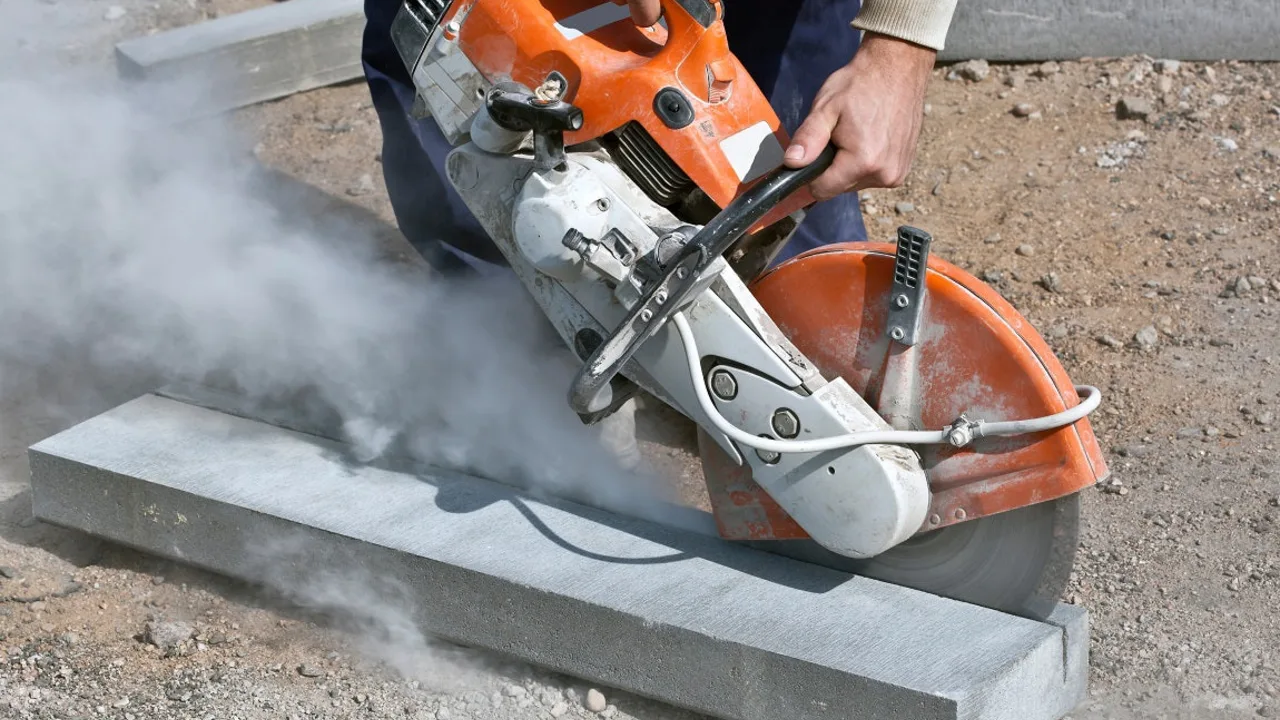
Diamond tools can improve productivity, but they also require proper safety control. Cutting, drilling, and grinding may produce dust, noise, flying particles, vibration, slurry, and heat.
One of the most important concerns is respirable crystalline silica dust, which can be produced when cutting or grinding concrete, stone, brick, mortar, and similar materials. Wet cutting, local exhaust ventilation, dust shrouds, HEPA-filtered vacuums, suitable respiratory protection, and good work planning can help reduce exposure. Contractors can refer to OSHA guidance on respirable crystalline silica for general safety information.
Tool inspection is also important. Cracked blades, missing segments, damaged cups, worn core bits, or tools with unclear RPM ratings should not be used. Operators should follow machine instructions, wear suitable PPE, and make sure the tool is installed correctly before starting work.
Safe operation protects workers, but it also protects machines, materials, and schedules. A tool failure on site can stop work, damage the material, and create unnecessary risk.
Common Mistakes Contractors Should Avoid
Even experienced crews can lose time and money when diamond tools are selected or used incorrectly. These are some of the most common mistakes.
Using The Same Tool For Every Material
A blade designed for asphalt may not work well on granite. A tool that cuts soft masonry quickly may wear too fast on hard concrete. Matching the tool to the material is one of the simplest ways to improve performance.
Ignoring Machine Compatibility
Blade diameter, arbor size, RPM rating, machine power, and guard compatibility all matter. A high-quality tool can still perform badly if it is installed on the wrong machine.
Cutting Too Fast Or Applying Too Much Pressure
Forcing the tool does not always make the job faster. Excessive pressure can overheat segments, glaze the tool, reduce accuracy, or damage the material. Letting the tool work at the correct speed usually creates better results.
Forgetting Cooling And Dust Control
Water supply, dust collection, and ventilation should be planned before cutting or drilling begins. Trying to solve dust or heat problems after work starts often leads to delays.
Replacing Tools Too Late
A worn tool slows production, creates rougher results, and increases safety risk. Contractors should monitor tool condition and replace consumables before performance drops too far.
Building A More Efficient Construction Workflow With The Right Tools
Diamond tools for construction support many essential jobsite and workshop tasks, from cutting concrete slabs to drilling service openings and grinding surfaces before finishing. The right tool can improve speed, accuracy, safety, surface quality, and cost control.
The best results come from matching the tool to the material, machine, working method, and finish requirement. A diamond saw blade should fit the cutting depth and material type. A core drill should match hole size and site conditions. A grinding cup should be selected according to surface hardness and the required profile.
For contractors and stone-related workshops, a planned consumable tool strategy can reduce downtime and make daily work more consistent. Before starting a project, teams should review the material, tool type, machine setup, dust control method, and replacement schedule. This simple planning step can make cutting, grinding, and drilling work safer, faster, and more predictable.