
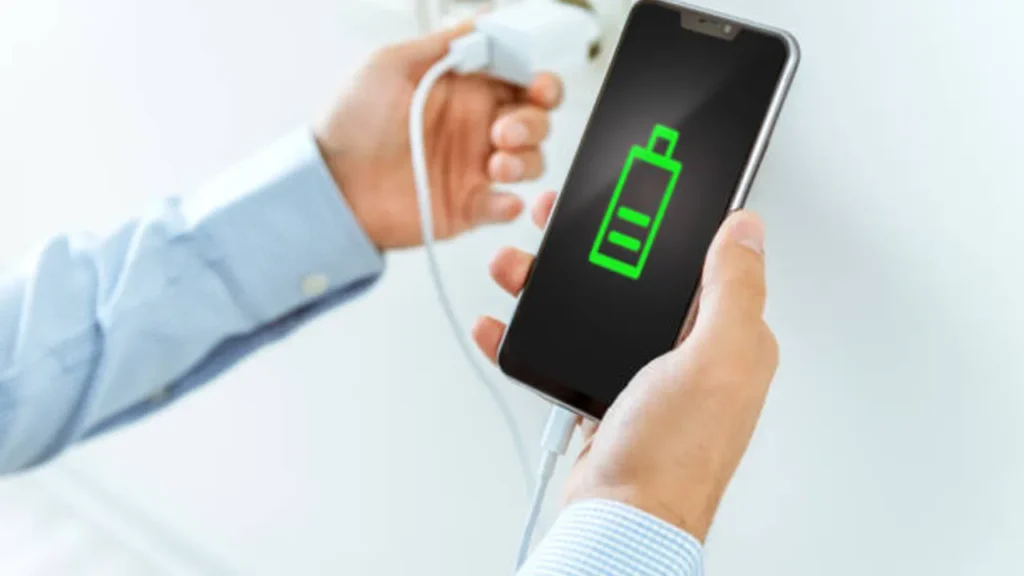

For years, tech enthusiasts have campaigned for the return of the user-swappable power cell. The dream is simple: when your phone hits 0%, you pop off the back, slide in a fresh battery, and instantly return to 100%. However, despite recent legislative pushes in Europe, the reality of removable batteries in 2026 is far from the plastic, “pop-top” designs of the 2010s.
While nostalgia paints a picture of convenience, modern engineering and durability standards have fundamentally changed the conversation around how we power our handheld devices.
Decoding the EU Mandate: It’s Not What You Think
Much of the recent excitement stems from European Union legislation aimed at making electronics more sustainable. While headlines suggested a forced return to the days of the Samsung Galaxy S5, the actual 2027 mandate is much more nuanced.
1. The Durability Loophole
The EU legislation is designed to reduce electronic waste, but it grants significant exemptions for devices that prioritize longevity.
-
Capacity Thresholds: Manufacturers are exempt if their batteries can maintain 80% capacity after 1,000 full charge cycles.
-
IP Ratings: Devices that achieve an IP67 rating for water and dust resistance are also given leeway.
-
Compliance: Most modern flagships from companies like Apple, Samsung, and Google already meet these high-end durability standards, meaning they aren’t legally required to change their current “sealed” designs.
2. “Readily Removable” vs. Tool-Free
The law defines removable batteries as those that can be replaced using “commercially available tools,” such as a standard screwdriver. It does not mandate that a user should be able to remove the battery with their fingernails. The primary goal is to eliminate the need for specialized heat guns, dangerous solvents, and proprietary suction cups that currently make DIY repairs nearly impossible.
The “Rose-Tinted” Problem: Why Old Designs Sucked
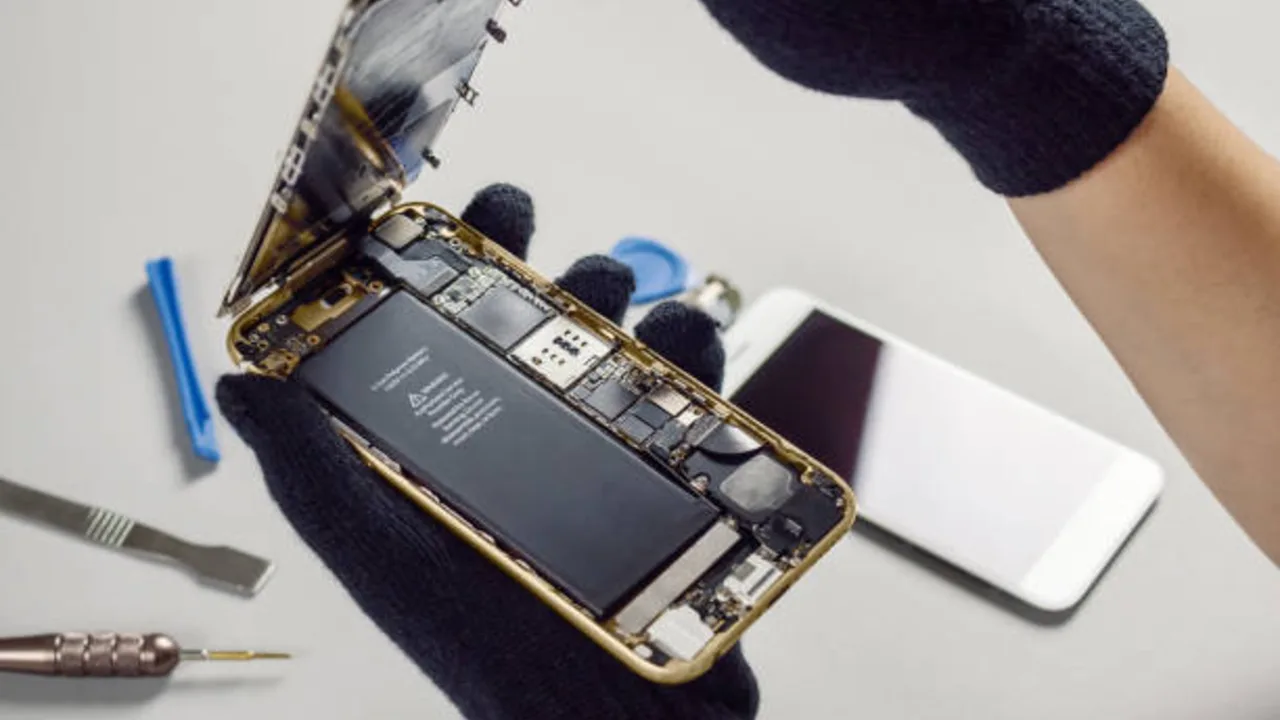
Nostalgia often overlooks the significant compromises required by classic removable batteries. To bring back those designs today would mean sacrificing a decade of hardware innovation.
-
Build Quality: Old-school removable backs were notoriously flimsy and made of thin plastic.
-
The “Exploding” Phone: Dropping a phone with a removable back often resulted in the device “exploding” like a claymore mine, sending the back cover and the battery flying in different directions.
-
Waterproofing Challenges: Maintaining a hermetic seal against water is incredibly difficult with a user-accessible back panel. Modern adhesives provide a level of protection that the rubber gaskets of the past simply cannot match.
-
Feature Loss: Swappable backs would likely force the removal of integrated coils required for wireless charging and magnetic accessory ecosystems like “Pixel Snap”.
The New Era: Mechanically Interlocked Design
The industry isn’t ignoring the push for repairability; it is simply evolving beyond the glue-heavy methods of the last few years. We are entering a middle ground often referred to as “mechanically interlocked” design.
1. The Google Approach
Recent patents from Google suggest a future where the battery is housed in its own metal chassis. Instead of being glued to the screen or the frame, this chassis slides into the phone and locks in place with mechanical fasteners.
2. Longevity Meets Repairability
This design shift supports the industry’s move toward extended software support. With manufacturers now promising up to seven years of updates, a phone is almost guaranteed to outlive its first battery. A mechanically locked battery allows a user to perform a replacement in the time it takes to “have a nice dinner” without compromising the premium glass-and-metal feel of a modern flagship.
Conclusion: A Functional Future
The era of popping off a plastic back to swap a battery in three seconds is dead, and as the industry argues, that’s actually a good thing. The focus has shifted from “swappability” to “repairability”.
By moving away from permanent adhesives and toward standardized tools and mechanical locks, the tech world is finding a way to satisfy both environmental regulators and consumers who want high-performance, waterproof, and premium devices. Removable batteries aren’t coming back in their old form, but they are being reimagined for a more sustainable future.