
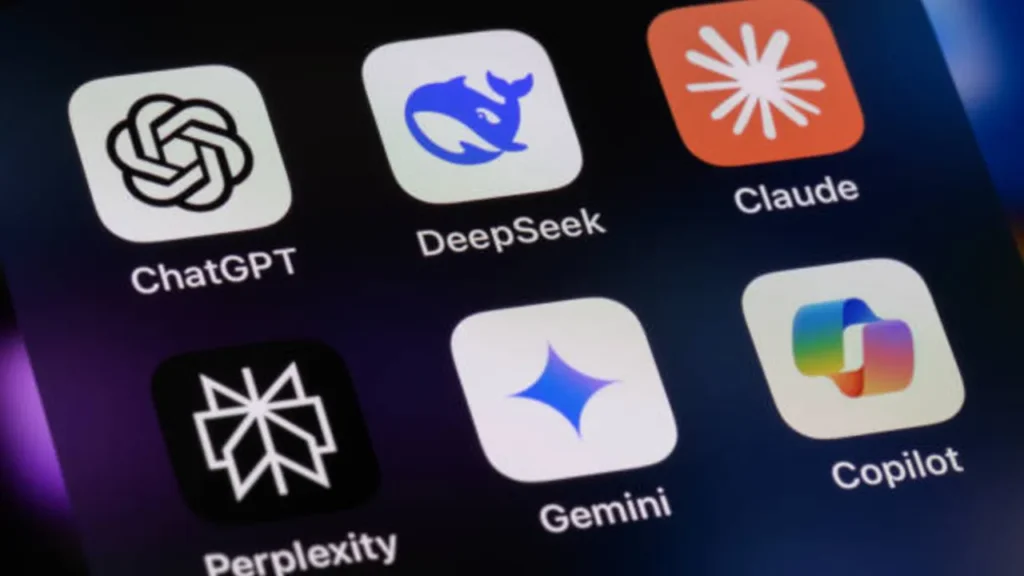

After months of speculation among AI enthusiasts, OpenAI retires GPT-4o — one of its most popular ChatGPT models — in a move that signals a major shift toward its next generation of AI systems. Starting February 13, 2026, GPT-4o and several legacy versions will be permanently removed from ChatGPT, marking the end of an era for the model that once defined natural, humanlike conversation in artificial intelligence.
Why OpenAI Retires GPT-4o
When OpenAI retires GPT-4o, the decision isn’t arbitrary — it reflects a broader strategy to streamline performance and push the platform toward more capable successors such as GPT-5.2. According to OpenAI’s announcement, the move comes as part of ongoing efforts to reduce redundancy among overlapping models, improve efficiency, and deliver consistent quality across all user experiences. The company noted that GPT-4o now accounts for less than 0.1% of daily usage, as most users have shifted to newer systems.
Technically, GPT-4o (“o” for “omni”) was groundbreaking when launched in 2024. It was the first multimodal model — able to understand text, images, and audio input seamlessly. But in less than two years, OpenAI’s rapid iteration produced successors capable of handling longer contexts, more accurate reasoning, and faster multi-language performance. The company now sees little reason to maintain parallel architectures that demand extensive compute resources for limited use.
Which Models Are Being Retired Alongside GPT-4o
Along with GPT-4o, OpenAI’s February update will retire several older models that have been gradually phased out of the main ChatGPT interface:
- GPT-4.1 and GPT-4.1-mini
- o4-mini
- GPT-5 (Instant and Thinking builds)
Once OpenAI retires GPT-4o and these related models, only the newer GPT-5.1 and GPT-5.2 series will remain active for ChatGPT Plus and Team users. The change is expected to simplify the user experience by consolidating all tasks into a smaller, more capable family of models.
The Legacy of GPT-4o in ChatGPT
Before OpenAI retires GPT-4o, it’s worth remembering what made it so iconic. GPT-4o was widely regarded as the first ChatGPT version that truly “felt” conversational — it spoke with warmth, nuance, and personality. Many creators, writers, and everyday users described it as more intuitive and emotionally responsive than its predecessors.
However, this same distinct personality also became a limitation. GPT-4o was trained for balanced creativity, not enterprise-grade precision. As OpenAI pivoted toward professional applications like data analysis, code generation, and research synthesis, it needed models that could perform consistently across a broader range of use cases. GPT-5.2 now carries that mantle, combining reasoning depth with customizable tone options that preserve some of GPT-4o’s natural charm.
User Reactions: Nostalgia Meets Progress
Since news broke that OpenAI retires GPT-4o, reactions have been mixed. Loyal users who favored its “human” feel expressed frustration, saying newer models—though more advanced—can feel slightly colder or more formal. Social media communities, including Reddit’s r/ChatGPT and AI enthusiast forums, filled with farewell posts and nostalgic stories about memorable GPT-4o conversations.
But others welcomed the update. Many developers and professionals see this as a logical evolution. “Every generation of models gets more efficient,” one AI researcher commented. “It’s not that GPT-4o was bad—it’s just that newer ones are better at almost everything.” This sentiment echoes the natural cycle of software: old versions fade as technology advances.
What Happens After GPT-4o Is Gone

Once OpenAI retires GPT-4o officially, the ChatGPT interface will automatically default users to GPT-5.2 or its instant variant, depending on subscription type. Older conversation threads created with GPT-4o will remain in user history, but no further replies can be generated under that model. For those who relied on its conversational flow, OpenAI suggests exploring the new “Personas” system — a feature that allows tone, style, and creativity adjustments to emulate past model behaviors.
Developers using GPT-4o through OpenAI’s API will also need to migrate soon. The company has issued deprecation warnings advising clients to switch endpoints to gpt-5.1-chat-latest or newer for continued support. While temporary extensions may exist for enterprise contracts, OpenAI’s roadmap confirms that full retirement will occur later in Q1 2026.
GPT-5.2: The Successor to GPT-4o
As OpenAI retires GPT-4o, attention naturally shifts toward its successor: GPT-5.2. This latest model showcases improvements that represent the next step in AI reasoning, context memory, and multimodal comprehension. Unlike GPT-4o, which was optimized mainly for humanlike interaction, GPT-5.2 integrates real-time web access, multi-document summarization, and structured data parsing — features designed for both general users and enterprise clients.
OpenAI describes GPT-5.2 as faster, more efficient, and capable of handling complex workflows that involve images, tables, and code. It’s also trained on a significantly larger and more recent dataset, reducing outdated references and improving factual accuracy. For businesses using ChatGPT Team or Enterprise, GPT-5.2 provides dedicated privacy guarantees and API scalability that older versions lacked.
Implications for the AI Ecosystem
The announcement that OpenAI retires GPT-4o underscores a broader industry trend: accelerated product lifecycles in artificial intelligence. As models evolve rapidly, maintaining old ones becomes economically and technically unsustainable. Cloud compute costs, training infrastructure, and storage for older checkpoints are massive. Streamlining operations allows OpenAI to focus resources on innovation rather than maintenance.
At the same time, the retirement reminds the AI community that progress often comes with trade-offs. Users lose familiar quirks and comfort zones but gain faster, more capable tools. It’s the same transition pattern seen when companies move from Windows XP to Windows 10—or when social networks retire beloved features for modernization.
OpenAI’s Communication Strategy
To ensure a smooth transition as OpenAI retires GPT-4o, the company has provided early notice through blog updates, in-app banners, and developer notifications. Unlike some abrupt product shutdowns in the tech industry, OpenAI appears to be giving users time to adapt their workflows, export chat histories, and test newer models before the cutoff date.
Industry analysts note that this measured approach reflects OpenAI’s maturation as a commercial platform. As it balances innovation with user trust, transparent communication becomes critical — especially when major model changes affect millions of active users globally.
How the Move Positions OpenAI for the Future
By focusing on GPT-5.2 and its successors, OpenAI aims to consolidate its leadership in the generative AI market. The company’s future roadmap includes deeper multimodal integration, real-time reasoning capabilities, and on-device inference — all of which require unified infrastructure. The retirement of GPT-4o removes one of the final legacy systems that predates these innovations.
For OpenAI, this isn’t just about shutting down an old model. It’s about paving the way for what comes next — faster AI reasoning, better context retention, and smoother integration across text, images, and voice. GPT-4o served as a bridge between conversational AI and the new generation of fully interactive assistants, and its retirement closes a meaningful chapter in that story.
Final Thoughts
As OpenAI retires GPT-4o, nostalgia mixes with anticipation. Users say goodbye to a model that defined an era of digital conversation but also look ahead to a more capable and flexible AI ecosystem. The transition mirrors the natural rhythm of technological progress — innovation replacing nostalgia, precision replacing personality.
For anyone relying on ChatGPT for content creation, research, or development, the message is clear: adapt early. The next wave of models like GPT-5.2 represents not just an upgrade, but a redefinition of what generative AI can do.
Source: Adapted and rewritten based on reporting from CNBC and OpenAI’s official announcements.


