
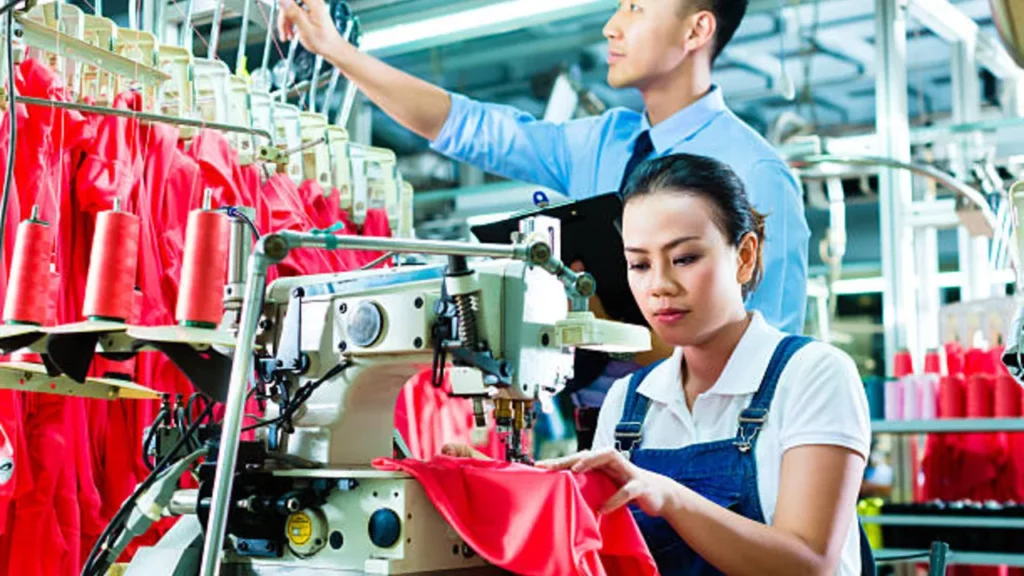

China manufacturing activity growth gained new momentum at the start of the year, signaling a rebound in factory output and industrial confidence. A closely watched private gauge of manufacturing performance rose in January, suggesting that the world’s second-largest economy may finally be regaining stability after months of sluggish performance.
Private PMI Signals Expansion in China’s Factories
The Caixin Manufacturing Purchasing Managers’ Index (PMI), a key indicator that tracks the health of China’s manufacturing sector, increased to its highest level in several months. A reading above 50 indicates expansion, while anything below marks contraction. The latest figure pointed to a pickup in new orders, output, and employment—clear signs that factory momentum is improving.
Analysts noted that China manufacturing activity growth in January came primarily from small and medium-sized firms focused on export markets. Improved demand from Asia, Europe, and parts of the Middle East helped offset weakness in the domestic property and construction sectors.
New Orders and Production Show Stronger Momentum
Factories reported increased production volumes as new orders rose for a third consecutive month. The recovery in demand for electronics, machinery, and automotive components was particularly notable. Export orders also picked up, showing that China’s manufacturing competitiveness remains intact despite global trade uncertainty.
Industry experts believe that pent-up demand and stabilizing supply chains contributed to this renewed strength. The improvement offers optimism that China’s industrial base is responding to both global and domestic recovery signals.
Employment and Supplier Deliveries Improve
The January PMI data also revealed encouraging trends in employment. Manufacturers reported either new hiring or stabilization after months of downsizing, reflecting better confidence in long-term orders. Supplier delivery times shortened, indicating that raw-material bottlenecks are easing—a critical factor for sustaining China manufacturing activity growth.
With smoother supply chains, Chinese factories can now plan production schedules more efficiently, reducing idle time and improving output consistency.
Why the Manufacturing Gauge Matters
The manufacturing PMI is considered one of the most important leading indicators of economic health. For China, it not only reflects industrial activity but also signals trends in global trade, logistics, and raw-material consumption. When manufacturing improves, related sectors—from steel and energy to logistics—tend to follow.
The latest PMI uptick reinforces that China’s economy, though still under pressure, is showing signs of stabilization. Economists suggest that if this pace continues through the first quarter, industrial production could contribute more significantly to overall GDP growth.
Official vs. Private Surveys: Understanding the Difference
While the official PMI published by China’s National Bureau of Statistics recently remained slightly below 50, the private Caixin survey rose above the threshold. This divergence often highlights the difference between state-owned heavy industries and private export-oriented firms. The latter typically respond faster to changes in global demand and market confidence.
The gap between the two indices suggests that smaller private manufacturers are rebounding more quickly, while larger state-owned producers still face weaker domestic demand.
Sector-Level Insights: Electronics, Machinery, and Green Tech Lead
Breaking down the PMI results, electronics manufacturers saw the strongest improvement thanks to rising overseas orders and renewed consumer demand for devices. The machinery and automotive parts segments also gained momentum, fueled by infrastructure investment and new energy projects.
Meanwhile, green technology sectors—such as solar panels, batteries, and electric-vehicle components—showed double-digit order growth. These industries are benefiting from China’s industrial policy support and growing demand for sustainable solutions worldwide.
Government Support and Economic Stimulus

The recent pickup in China manufacturing activity growth has been reinforced by a range of policy measures introduced by Beijing. These include:
- Tax relief for small manufacturers and exporters.
- Infrastructure-focused fiscal spending to stimulate raw-material demand.
- Lower interest rates to ease financing for industrial investment.
- Support programs for technology upgrades and digital manufacturing.
Economists expect further stimulus if growth falters later in the year. For now, the rebound in manufacturing may help offset weakness in real estate and consumer spending.
How Global Demand Is Supporting China’s Recovery
Global trade conditions are also improving. A gradual recovery in demand from Southeast Asia, North America, and Europe is helping Chinese exporters rebuild order books. Supply-chain normalization—especially in shipping and component availability—has allowed manufacturers to shorten lead times and increase exports efficiently.
According to the World Bank, global industrial demand is expected to expand modestly in 2026, which could further boost China’s manufacturing PMI performance.
Challenges Still Loom Ahead
Despite positive data, several risks remain. Analysts warn that China’s recovery still faces headwinds from sluggish domestic consumption, high youth unemployment, and persistent property-sector weakness. Some factories continue to operate below full capacity, limiting profit margins even as output improves.
Moreover, geopolitical tensions and trade restrictions in key export markets could slow the pace of growth. Many companies are diversifying production across Asia to manage risk, a trend that could reshape global manufacturing networks in the long term.
Energy Costs and Environmental Pressures
Energy costs remain another concern. Winter demand for power has pushed up prices in several regions, putting pressure on factory operating margins. In addition, China’s carbon-reduction goals mean stricter energy-efficiency standards for heavy industry, which could temporarily weigh on productivity until newer technologies are fully adopted.
Market Reaction: Stocks and Commodities Rise
Investors responded positively to the latest PMI report. Chinese stock indexes posted modest gains, while industrial metals such as copper and aluminum rose on expectations of stronger demand. The yuan also strengthened slightly against the U.S. dollar, reflecting improved investor sentiment toward China’s near-term economic outlook.
Market strategists believe that consistent China manufacturing activity growth will be key to sustaining investor confidence throughout 2026. A steady industrial rebound could lift corporate earnings, strengthen export revenues, and stabilize employment—three crucial pillars for economic recovery.
Outlook for the Next Quarter
Looking forward, economists expect China’s manufacturing sector to continue expanding, albeit gradually. The main drivers include export recovery, domestic infrastructure investment, and the continued evolution of advanced industries such as robotics, renewable energy, and semiconductors.
However, maintaining growth momentum will depend on policy consistency and global demand resilience. If Beijing continues to prioritize industrial competitiveness while balancing financial risks, manufacturing could remain a central pillar of China’s post-pandemic economy.
Key Indicators to Watch
- Monthly Caixin and official PMI releases.
- Export order data and shipping volumes.
- Investment in new manufacturing technologies.
- Policy statements related to industrial stimulus and taxation.
Tracking these indicators will provide insight into whether the current expansion evolves into a sustained manufacturing uptrend.
Conclusion: A Cautious Yet Encouraging Rebound
The latest private PMI results show that China manufacturing activity growth has entered a positive phase. Factory managers are reporting stronger orders, better output, and more predictable supply chains—three ingredients that form the foundation of industrial recovery.
While structural challenges persist, the January data highlight China’s capacity to rebound through policy support, export resilience, and manufacturing adaptability. If these trends hold, the country’s industrial engine could once again serve as a stabilizing force for the global economy.
For readers seeking insights into structural steel supply and factory development for export projects, visit steel structure building by XTD Steel Structure.