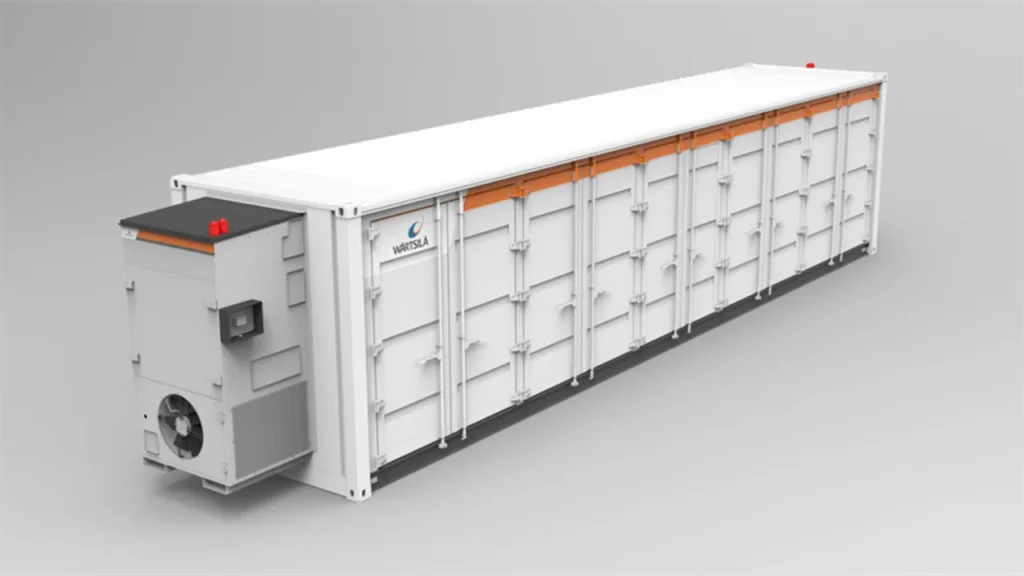

Global energy technology company Wärtsilä has officially started construction of a 50 MW / 100 MWh battery energy storage system (BESS) in Belgium, reinforcing the country’s transition toward a more resilient and renewable-powered electricity grid.
The Belgium battery energy storage system project is designed to improve grid stability, manage fluctuations from renewable energy generation, and strengthen energy security during peak demand periods. As Belgium continues accelerating its decarbonization strategy, large-scale storage projects such as this are becoming essential infrastructure assets.
Supporting Belgium’s Energy Transition
Belgium is in the midst of a significant energy transition. With the progressive integration of wind and solar power, the grid is experiencing increasing variability. Renewable generation does not always align with consumption patterns, creating the need for flexible balancing solutions.
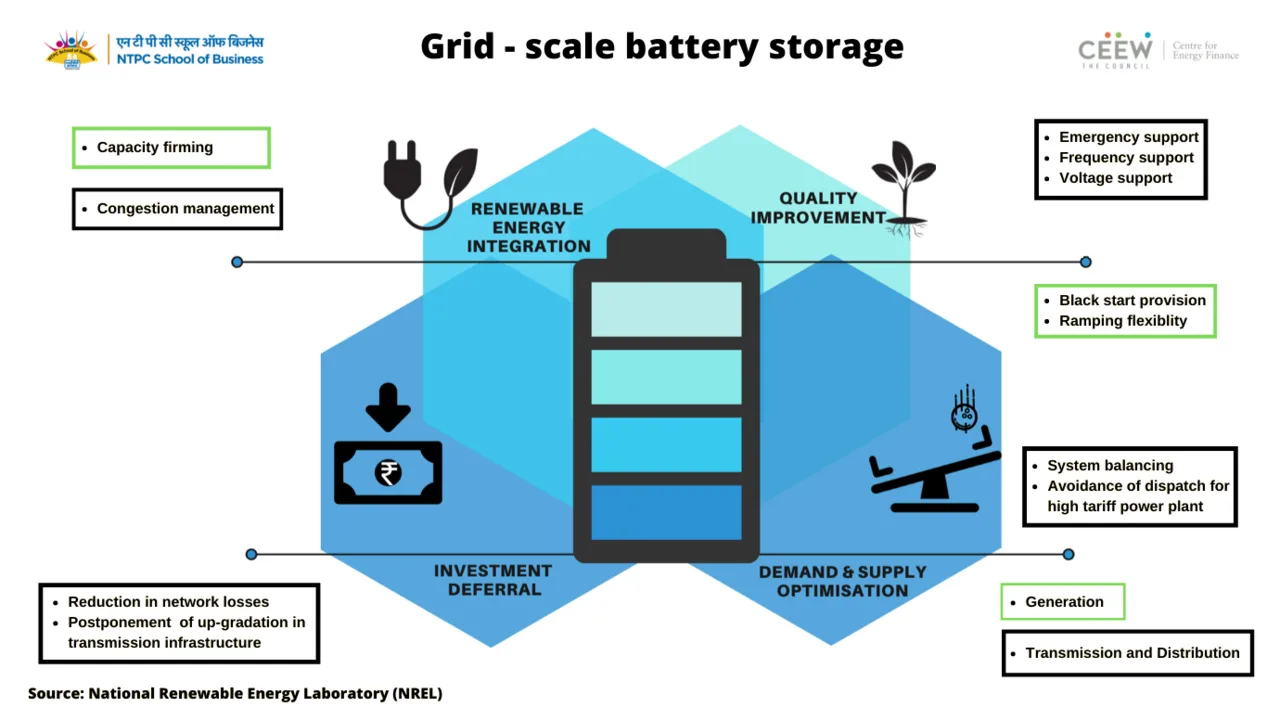
The new Belgium battery energy storage system will:
-
Provide fast-response frequency regulation
-
Stabilize voltage and grid frequency
-
Store excess renewable energy during low-demand periods
-
Release energy during peak consumption hours
-
Reduce reliance on fossil-fuel peaker plants
Battery storage systems are particularly effective because they can respond within milliseconds, making them ideal for maintaining grid frequency and supporting system operators.
Project Scope and Technical Overview
The project has a capacity of 50 megawatts (MW) with a total energy storage volume of 100 megawatt-hours (MWh). This means the facility can deliver 50 MW of power for up to two hours, providing short-duration but high-impact grid balancing.
Key technical highlights include:
-
Modular containerized battery architecture
-
Advanced energy management software
-
Grid-forming capabilities for enhanced stability
-
Remote monitoring and operational optimization
Wärtsilä’s integrated solution combines hardware, control systems, and lifecycle service support. The system is designed not only for current grid conditions but also for evolving future demands as renewable penetration increases.
Strengthening Grid Stability in Belgium
Belgium’s electricity grid faces increasing pressure due to:
-
Rising electrification of industry and transport
-
Expansion of offshore wind capacity
-
Growing distributed solar generation
-
Reduced baseload power availability
The Belgium battery energy storage system will help mitigate these challenges by acting as a dynamic balancing asset. Instead of depending solely on conventional thermal generation, grid operators can use stored energy to smooth imbalances quickly and efficiently.
This enhances:
-
Reliability
-
Energy security
-
Market flexibility
-
Operational resilience
As Europe pushes toward climate neutrality targets, storage systems are rapidly becoming core components of national infrastructure strategies.
The Role of Utility-Scale Storage in Europe
Across Europe, energy storage deployment is accelerating. Countries are investing heavily in grid-scale batteries to support:
-
Intermittent renewable generation
-
Grid congestion management
-
Frequency containment reserves
-
Ancillary services markets
Wärtsilä has positioned itself as a major player in the global energy storage market by delivering integrated battery solutions with intelligent control systems.
The Belgium battery energy storage system further strengthens the company’s footprint in Europe, contributing to regional decarbonization objectives and energy market flexibility.
Why Battery Storage Is Critical Now
The urgency for large-scale storage solutions has grown due to several structural shifts in energy markets:
1. Renewable Growth
Wind and solar installations are expanding rapidly across Belgium and neighboring countries. Without storage, excess renewable energy can be curtailed.
2. Electrification
Electric vehicles, heat pumps, and industrial electrification increase demand variability. Storage helps manage load spikes.
3. Grid Decentralization
Distributed generation creates bidirectional power flows, requiring faster response mechanisms.
4. Market Volatility
Energy price fluctuations create opportunities for storage assets to participate in arbitrage and balancing markets.
Battery systems act as shock absorbers for the grid, ensuring stability even as traditional baseload generation declines.
Construction Timeline and Future Outlook
Construction of the Belgium battery energy storage system has officially commenced, with commissioning expected following installation and grid integration phases. Once operational, the system will play a key role in balancing Belgium’s electricity network.
Looking ahead, projects like this are expected to multiply across Europe. As policymakers increase renewable targets and carbon reduction commitments, energy storage will transition from supportive technology to foundational infrastructure.
Wärtsilä continues to expand its portfolio of energy storage projects globally, reinforcing its position in enabling sustainable power systems.
Strategic Importance for Belgium
This 50 MW / 100 MWh facility represents more than a standalone project—it reflects Belgium’s commitment to modernizing its energy system.
The Belgium battery energy storage system contributes to:
-
Reduced carbon emissions
-
Improved grid flexibility
-
Enhanced resilience during supply disruptions
-
Long-term cost optimization
By integrating advanced battery technology with intelligent energy management, the project demonstrates how storage can actively support national climate and energy strategies.
The launch of construction for the 50 MW / 100 MWh Belgium battery energy storage system marks an important milestone in the country’s energy transition. As renewable penetration increases and grid complexity grows, large-scale battery installations will play a pivotal role in maintaining stability and ensuring reliable electricity supply.
Through this project, Wärtsilä reinforces its commitment to enabling sustainable energy infrastructure and supporting Europe’s clean energy ambitions.