
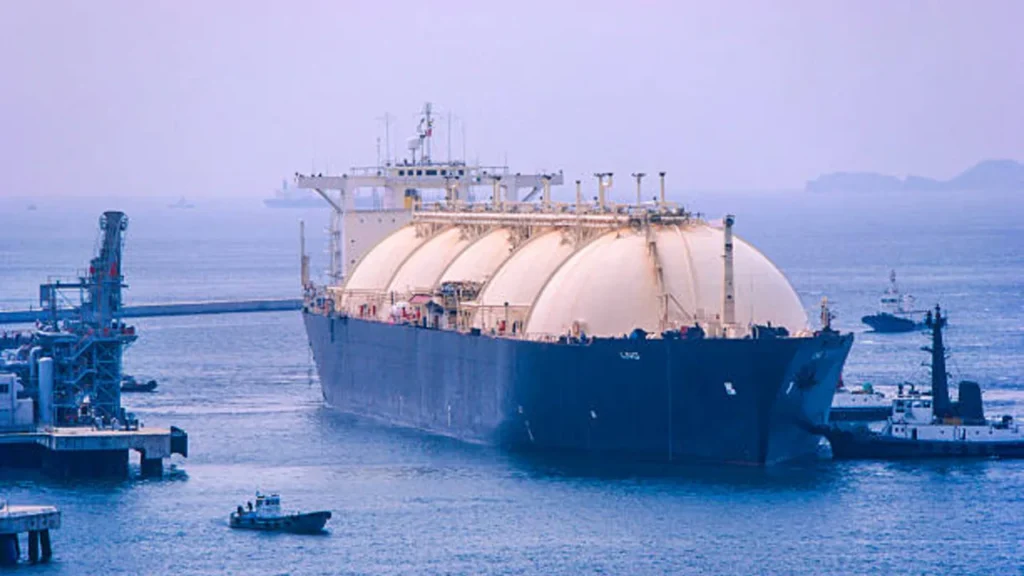

In February 2026, Japan and Qatar finalized a long-term liquefied natural gas (LNG) supply agreement that will shape the next era of global energy trade. The Japan–Qatar LNG energy security deal underscores how nations are rethinking fuel strategy after years of supply instability, market volatility, and geopolitical shifts.
While Japan seeks reliability for its power grid and industrial base, Qatar aims to consolidate its dominance as a leading LNG exporter in Asia. The agreement connects two energy priorities: security of supply for importers and guaranteed demand for producers. In today’s volatile markets, that balance is more valuable than ever.
Inside the Japan–Qatar LNG Agreement
Japan’s JERA Co., Inc., the country’s largest power utility and a major LNG importer, signed a contract with QatarEnergy to purchase three million tonnes per year of LNG starting in 2028. The duration? A remarkable 27 years—making it one of the longest gas supply contracts ever signed between the two countries.
This long-term approach signals Japan’s renewed commitment to stable, predictable fuel sources. Rather than relying on short-term spot purchases, Japan is securing decades of LNG deliveries to shield itself from future market shocks and competition from fast-growing economies such as India and China.
For Qatar, the partnership reinforces its role as Asia’s preferred LNG supplier. The Gulf nation continues expanding its output capacity under the North Field Expansion project, ensuring it remains a cornerstone of the global energy system through 2050 and beyond.
Energy Security in a Turbulent World
The Japan–Qatar LNG energy security deal arrives at a time when global fuel markets remain fragmented. Geopolitical conflicts, shipping risks, and fluctuating production levels have exposed the fragility of international energy supply chains. Japan’s government, heavily dependent on imports for nearly all of its primary energy needs, is prioritizing security over short-term price flexibility.
According to Japan’s 2025 Basic Energy Plan, LNG will continue to account for a key share of the country’s energy mix through 2040, even as renewable energy and hydrogen expand. Long-term contracts like this one are now viewed as strategic insurance policies against future shortages or price spikes.
Why LNG Remains Critical for Japan
Japan’s geography makes diversification difficult. With no domestic pipelines or continental energy connections, its entire import system depends on maritime shipping. LNG provides cleaner combustion than coal or oil and is essential for balancing variable renewable power sources such as wind and solar.
Following the 2011 Fukushima disaster, nuclear power generation sharply declined, and LNG became Japan’s default baseload fuel. While nuclear restarts have resumed, gas remains the backbone of stable electricity generation. As a result, Tokyo’s energy planners view LNG as the “bridge fuel” of the next two decades—indispensable until new low-carbon technologies reach maturity.
Qatar’s Strategic Advantage
Qatar has spent years positioning itself as the world’s most reliable LNG producer. With vast reserves and advanced liquefaction facilities, it maintains one of the lowest production costs globally. The country’s North Field East and North Field South expansions are set to raise annual export capacity from 77 million tonnes to around 142 million tonnes by 2030.
This production scale enables Qatar to offer both volume and stability—two factors Japan values highly. The partnership with JERA complements existing long-term deals with China, South Korea, and several European nations. It cements Qatar’s dominance as the global “anchor supplier” of LNG in Asia.
Strategically, Qatar also gains political capital. By deepening cooperation with Japan, it strengthens relationships with a G7 economy while diversifying its customer base beyond Europe and China. This multidirectional diplomacy ensures Doha remains central in global energy negotiations.
Return of Long-Term Contracts
Just a few years ago, buyers were moving away from rigid supply terms, preferring short-term flexibility. But the post-2022 energy crisis changed everything. Price shocks and supply disruptions forced importers to reconsider the value of stability. The Japan–Qatar LNG energy security deal marks a reversal of that trend.
For suppliers, long-term contracts guarantee steady revenue streams and investment security for infrastructure expansion. For buyers, they mean predictable prices and volumes. These arrangements also align with Japan’s decarbonization goals: LNG can gradually be paired with carbon capture, methane reduction, and hydrogen blending technologies.
Impact on Global Energy Markets
The ripple effect of the Japan–Qatar agreement extends well beyond Asia. It demonstrates that even as the world transitions toward renewables, fossil fuels—especially natural gas—will remain central to the global energy balance for decades. Nations are now competing not just for clean energy capacity, but for long-term access to transitional fuels.
Other Asian buyers, including India, Vietnam, and Thailand, are expected to follow Japan’s example by signing similar long-term contracts. The result could be a new wave of LNG infrastructure development—receiving terminals, regasification units, and integrated storage systems—to handle rising import volumes.
Meanwhile, Western producers such as the United States and Australia face tighter competition. Their flexible contract models may struggle to match Qatar’s offer of reliability, scale, and state-backed guarantees.
Economic and Strategic Synergies
Beyond fuel security, the deal opens the door to broader cooperation. Japanese firms have extensive experience in project financing, offshore engineering, and energy efficiency technologies—all areas Qatar seeks to leverage in its expansion efforts. Future joint ventures could include carbon capture systems and LNG shipping logistics.
This synergy is consistent with Japan’s broader Indo-Pacific energy diplomacy. By anchoring ties with key Middle Eastern suppliers, Tokyo is effectively creating a multi-layered supply web that supports resilience, diversification, and long-term growth.
Environmental Considerations
While LNG burns cleaner than coal, it is still a fossil fuel. Critics argue that locking in long-term contracts may slow the transition to renewable energy. However, both Japan and Qatar emphasize that the agreement aligns with their climate strategies. Japan plans to integrate LNG with low-carbon technologies, while Qatar has committed to producing “carbon-neutral LNG” through advanced methane management and offset programs.
These commitments echo broader industry trends. According to the International Energy Agency (IEA), LNG producers that invest in cleaner production and carbon management will hold a competitive edge as global emissions standards tighten.
Japan’s Balancing Act: Energy Security and Decarbonization
Japan’s energy policy must walk a fine line: guaranteeing fuel stability without compromising its climate targets. The Japan–Qatar LNG energy security deal represents the middle path—ensuring dependable supply while building a foundation for cleaner usage.
Through partnerships like this, Japan secures access to low-carbon LNG options that can integrate with emerging hydrogen and ammonia technologies. The approach reflects a pragmatic understanding: the global transition cannot happen overnight, and stable fuel supply remains critical to maintaining economic resilience during that shift.
Lessons for the Global Energy Landscape
The long-term Japan–Qatar deal offers several takeaways for other nations and energy firms:
- Security is priceless: Energy stability now ranks as a national security issue, not merely a market transaction.
- Diversification is key: Dependence on one region or supplier increases vulnerability. Japan’s wide network—from Australia to the Middle East—offers a model for resilience.
- Partnership beats isolation: Long-term cooperation, backed by government-to-government support, is the new cornerstone of global energy diplomacy.
- Transition requires bridges: LNG serves as a transitional fuel that supports renewables rather than competes with them.
Looking Ahead: The Future of LNG and Energy Diplomacy
The Japan–Qatar LNG energy security deal is likely to influence global energy strategies for years to come. It blends economic pragmatism with geopolitical foresight—two qualities essential for navigating an uncertain energy future.
As more nations pursue “energy security through partnership,” long-term LNG contracts could once again become the backbone of global trade. The difference this time lies in sustainability: producers and buyers alike are integrating climate considerations into every stage of production and supply.
Conclusion
Japan’s deal with Qatar is more than an LNG supply contract—it’s a global signal that stability and reliability are back at the center of energy strategy. In an era of shifting alliances, climate pressures, and unpredictable markets, the agreement stands as a reminder that energy security remains the ultimate foundation of national resilience.
For both nations, this partnership marks a new phase: a union of necessity and opportunity, designed not just to fuel economies, but to future-proof them.