
Introduction: The Geopolitical Catalyst
The origins of the current crisis can be traced back to early March 2026, following a series of strategic Israeli-US strikes on Iranian energy infrastructure. While the military objectives were specific, the retaliatory and defensive postures that followed resulted in a near-total paralysis of the Strait of Hormuz. This narrow waterway, which facilitates the passage of approximately one-fifth of the world’s daily oil consumption, became a geopolitical chokehold overnight.
The immediate reaction from global markets was one of panic. Energy futures surged as tankers were diverted or halted, and insurance premiums for maritime transit reached levels not seen since the tanker wars of the 1980s. For the developed world, this meant higher prices at the pump and rising utility bills. However, for developing nations, the crisis represents an existential threat to their industrial and social stability. The “Hormuz Chokehold” has effectively disconnected dozens of nations from the global energy supply chain, leading to what economists are now calling the Great Energy Disruption of 2026.
The 2026 Global Energy Crunch in Developing Economies
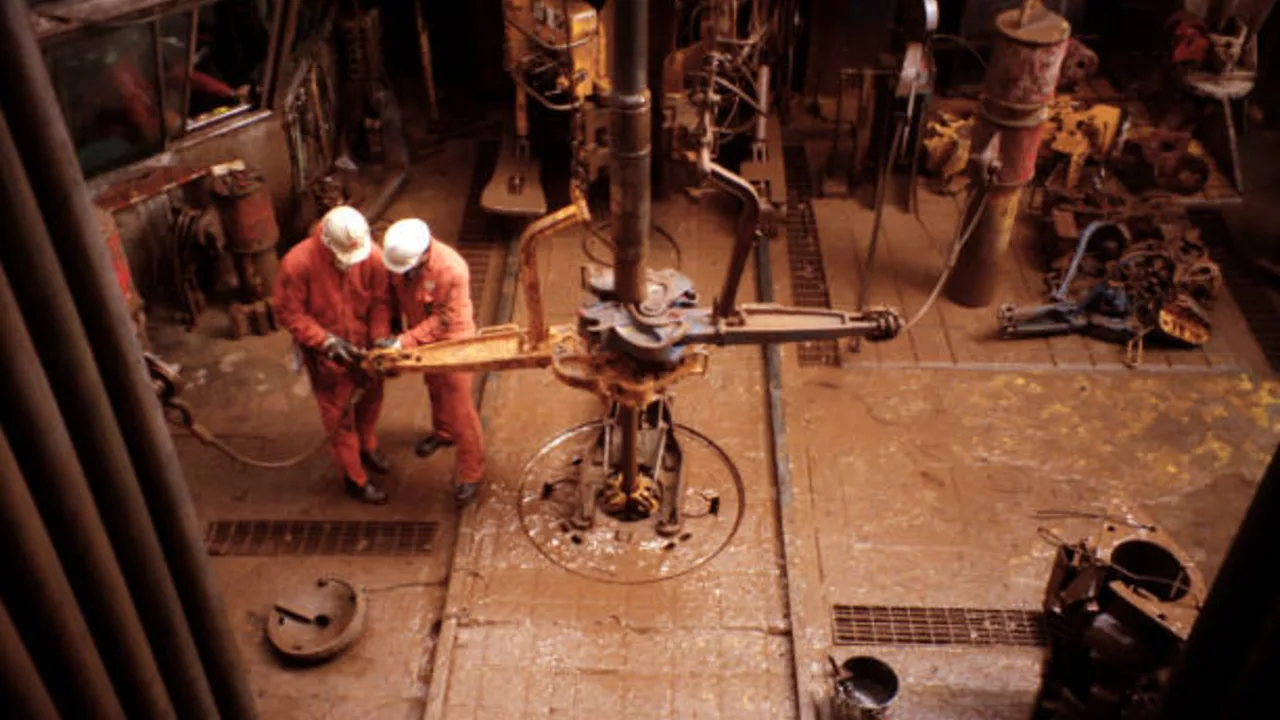
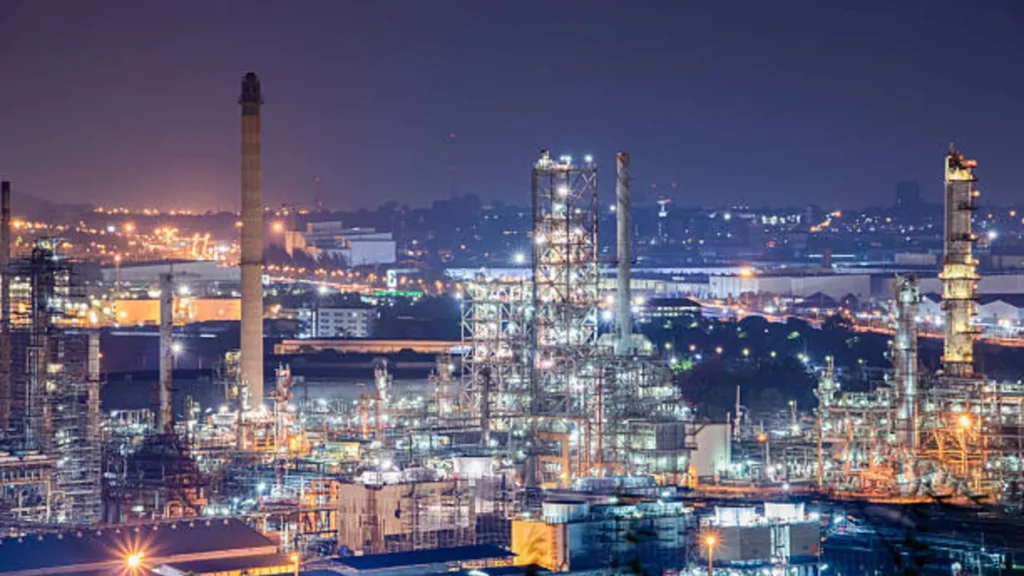
While the headlines often focus on the price of oil in New York or London, the true gravity of the situation is felt in nations like Angola, Nigeria, and Vietnam. These countries represent a tragic paradox in the modern energy economy. Despite being significant exporters of raw crude oil, many lack the sophisticated domestic refining capacity required to convert that oil into usable gasoline, diesel, or jet fuel.
The Refining Paradox
Nations such as Angola are currently being forced to sell their crude at a discount due to shipping risks, only to re-import refined fuel at record-high premiums. This mismatch has led to widespread “stock-outs”—periods where fuel stations are completely dry, and essential services like ambulances and food transport trucks are grounded. The economic friction caused by this imbalance is draining foreign exchange reserves at an unsustainable rate.
In response to the scarcity, a dangerous environmental shift is occurring. In many parts of Sub-Saharan Africa and Southeast Asia, households that had transitioned to cleaner cooking fuels (such as LPG) are now reverting to burning coal, wood, and even raw crude oil. This shift not only threatens to derail global climate targets but also poses an immediate public health crisis due to indoor air pollution.
The Domino Effect: Food Security & Agriculture
The energy crunch is not confined to the fuel tank; it has permeated the dinner table. There is an inextricable link between the price of natural gas and the price of food. Most modern fertilizers are produced using natural gas (specifically methane) to create ammonia. As gas prices skyrocket due to the disruption of Middle Eastern supplies, fertilizer plants from Egypt to Indonesia have been forced to throttle production or shut down entirely.
The Fertilizer Link and Harvest Risks
The Food and Agriculture Organization (FAO) has warned that the current shortage of methane-based fertilizers will lead to significantly lower crop yields in the upcoming 2026-2027 harvest cycle. For the 17 poorest nations that import more than 30% of their cereal needs, this is a “double hit.” They are paying more to transport food, while simultaneously seeing the cost of producing food locally rise beyond the reach of the average farmer.
This food-energy nexus is creating a cycle of poverty. When a farmer cannot afford fertilizer, their yield drops. When yields drop, food prices in local markets rise. This forces households to spend a higher percentage of their income on basic nutrition, leaving nothing for education, healthcare, or energy bills.
Financial Vulnerability & The Debt Trap
Perhaps the most concerning aspect of the 2026 crisis is that it has arrived at a time of extreme fiscal fragility. Most developing nations are still grappling with the “long tail” of debt incurred during the COVID-19 pandemic and subsequent recovery efforts. Their fiscal “room to maneuver” is non-existent.
Post-Pandemic Fragility
Unlike the oil shocks of the 1970s, modern developing economies are integrated into a high-interest-rate global environment. Central banks in the West have kept rates elevated to combat their own domestic inflation, making it incredibly expensive for developing nations to borrow the funds needed to subsidize fuel for their citizens. We are witnessing a debt-interest spiral where nations are borrowing money at 10-15% interest just to keep the lights on in their hospitals.
Economists at UNCTAD note that without a coordinated global effort for debt relief or a massive injection of liquidity, several nations in South Asia and Africa could face sovereign default by the end of the year. The inflationary pressure is not just a statistic; it is a catalyst for social unrest.
National Mitigation & Crisis Measures
In the absence of international relief, governments have been forced to implement drastic, often authoritarian, crisis measures to manage their remaining energy reserves.
Southeastern Asia: Rationing and Remote Work
Cambodia and Myanmar have led the way in aggressive rationing. Both nations have implemented “alternate-driving days,” where citizens can only use their vehicles based on the last digit of their license plates. Furthermore, mandatory remote work has been reinstated for all non-essential public officials to reduce the demand on public transit and office cooling systems. In Lao PDR, the government has taken the desperate step of cutting all fuel taxes while simultaneously restricting the sale of gasoline to five liters per person per day.
Africa: Appeals for Frugality
In Ethiopia and Senegal, the narrative has shifted toward national sacrifice. Governments have launched massive public awareness campaigns urging “frugal fuel use.” These measures include shutting down street lighting in major cities after midnight and discouraging the use of private generators—a move that has hit small businesses particularly hard.
Conclusion: The Path Forward
The 2026 energy crunch is a stark reminder of the world’s precarious dependence on a handful of maritime corridors and geopolitical flashpoints. As we look toward the remainder of the year, the outlook remains grim unless a diplomatic solution to the Middle Eastern conflict is reached and the Strait of Hormuz is fully reopened to commercial traffic.
However, diplomacy is only a short-term fix. The long-term solution requires a fundamental restructuring of energy systems in vulnerable nations. This includes:
- Expanding Domestic Refining: Regional hubs in Africa and Asia must be developed to ensure that oil-producing nations can satisfy their own demand.
- Decentralized Renewables: Reducing reliance on global supply chains by investing in local solar, wind, and geothermal projects.
- Global Debt Reform: Creating a “climate and energy” buffer in international lending that allows nations to pause debt payments during systemic global shocks.
As UNCTAD official Junior Davis recently remarked, the current situation “is not going to be pretty.” But it can be a turning point. If the 2026 crisis teaches the global community anything, it is that the energy security of the most vulnerable is not just a humanitarian issue—it is the bedrock of global stability.