
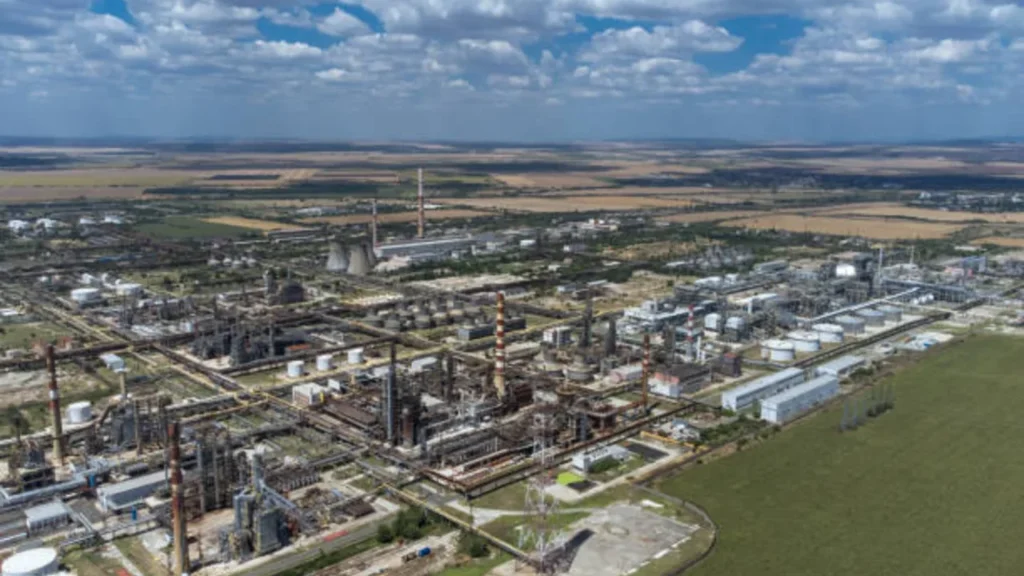

A major renewable energy project is being developed in Slovenia as cement manufacturer Alpacem moves forward with the construction of what is expected to become the Slovenia biggest solar plant. The project shows how heavy industry is increasingly investing in renewable energy to reduce operating costs, lower carbon emissions, and improve long-term energy stability.
The solar power installation will be built at the company’s cement production site in Anhovo, western Slovenia. The project combines a large photovoltaic system with a battery energy storage solution, making it one of the most advanced industrial renewable energy projects currently planned in the country.
Expansion of Solar Capacity at the Anhovo Cement Factory
The new project is an expansion of the renewable energy infrastructure that already exists at the Anhovo cement plant. In previous years, the company installed a rooftop photovoltaic system with a capacity of 2.2 MW, followed by an additional 1.5 MW upgrade.
The latest development will significantly increase total capacity by installing more than 25,000 solar panels across the production site. Once completed, the system will reach approximately 20 MW of installed capacity, making it the largest photovoltaic facility currently planned in Slovenia.
The project is being developed in cooperation with a local energy solutions provider specializing in photovoltaic systems and industrial power management. The use of existing industrial land makes the site ideal for large-scale solar generation without the need for new land development.
Battery Energy Storage System for Stable Power Supply
One of the key elements of the Slovenia biggest solar plant project is the integration of a battery energy storage system. The storage unit is designed with an operating power of 16 MW and a storage capacity of 32 MWh.
This system will allow the plant to store excess electricity produced during peak sunlight hours and release it later when demand increases or solar production decreases. Battery storage plays an essential role in modern renewable energy projects because it improves grid stability and ensures more efficient use of generated power.
For energy-intensive industries such as cement production, having a storage system also means greater control over energy consumption and reduced reliance on external electricity supply.
Expected Energy Production and Environmental Impact
After completion, the solar installation is expected to generate around 20,000 MWh of electricity per year. This amount of energy is roughly equal to the annual consumption of several thousand households, showing the large scale of the project compared with existing solar facilities in the country.
The company estimates that the share of electricity produced from its own renewable sources will increase significantly once the new system becomes operational. This will help reduce operational costs while also supporting environmental targets.
In addition to energy savings, the project is expected to reduce carbon dioxide emissions by several thousand tons each year. For the cement industry, which is known for high energy consumption, such reductions represent an important step toward sustainable production.
Project Timeline and Construction Challenges
The development of the Slovenia biggest solar plant is scheduled to be completed within the next few years. Large industrial renewable projects require long preparation periods because of environmental approvals, grid connection permits, and engineering design.
Since the solar plant will be built inside an active cement production facility, construction must be carefully planned to avoid interrupting daily operations. Coordination between engineering teams, energy specialists, and factory management is required to ensure safe installation.
Industrial solar projects often involve complex structural planning because equipment must be installed on roofs, open land, and unused industrial areas without affecting existing production lines.
Growth of Solar Energy in Slovenia
The development of the Slovenia biggest solar plant highlights the current stage of renewable energy growth in the country. Compared with some other European nations, Slovenia has relatively few large solar installations, with most existing systems designed for self-consumption rather than utility-scale production.
The new 20 MW project represents a major increase in capacity and shows that larger renewable projects are becoming more common. Industrial companies are now playing an important role in expanding clean energy infrastructure.
As electricity prices fluctuate and environmental regulations become stricter, more manufacturers are expected to invest in their own renewable energy systems.
Renewable Energy Investment in Heavy Industry
Cement production requires large amounts of electricity and heat, making energy costs a major factor in overall production expenses. Because of this, many cement companies are investing in renewable energy to improve efficiency and reduce long-term risks.
By building the Slovenia biggest solar plant, Alpacem aims to increase energy independence while lowering emissions and stabilizing operating costs. Projects like this also help companies meet environmental standards required by European regulations.
Large industrial solar plants combined with battery storage systems are becoming more common because they provide several advantages:
- Lower electricity costs
- Reduced carbon emissions
- Improved energy security
- Better control of power consumption
- Long-term operational stability
Conclusion
The construction of the Slovenia biggest solar plant at the Anhovo cement factory marks an important step in the country’s renewable energy transition. By combining a 20 MW photovoltaic system with a large battery storage unit, the project demonstrates how industrial facilities can become key contributors to clean energy production.
As more manufacturers adopt similar strategies, large-scale solar installations are expected to play a major role in reducing emissions while maintaining stable industrial production across Europe.