
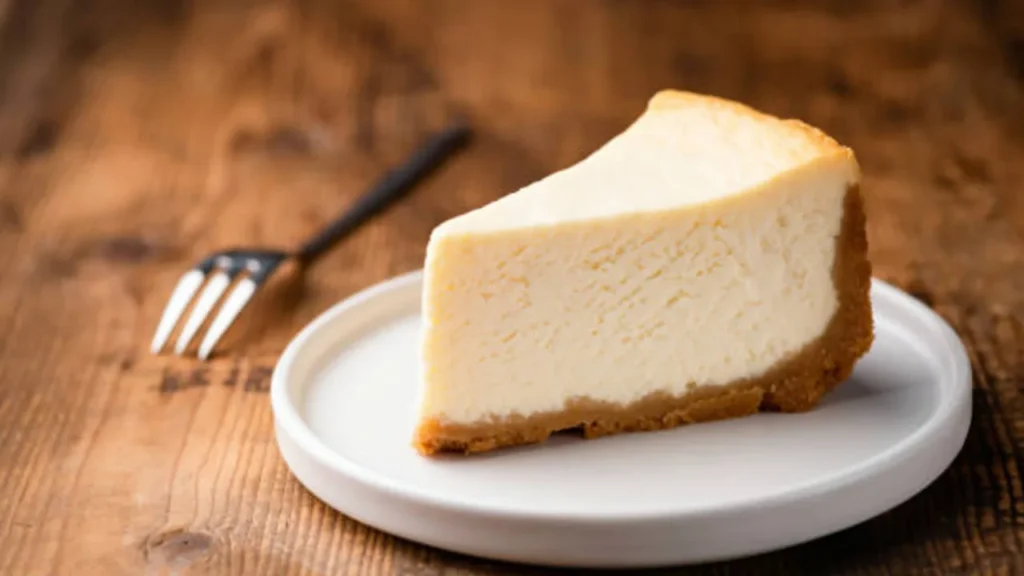

What started as a way to fight boredom during COVID lockdowns has grown into a thriving pandemic baking business serving two Ontario communities.
Tahnee Dumais, now based in Orillia, didn’t plan on becoming an entrepreneur when she began baking in 2020. Like many others stuck at home during the early days of the pandemic, she turned to the kitchen for comfort and something productive to do.
“I was bored during COVID like most people, so I was doing a lot of baking,” she said.
At the time, it was simply a hobby. There was no business plan, no branding strategy, and no intention to sell. But sometimes the most sustainable businesses begin organically — through repetition, encouragement, and community demand.
When Encouragement Turns a Hobby Into Opportunity
Dumais began bringing her mini cheesecakes into work to share with colleagues. The reaction was immediate and consistent.
Her coworkers encouraged her to sell them.
“I didn’t think they were good enough to sell,” she admitted.
Still, the encouragement didn’t stop. Friends and family echoed the same sentiment. What she initially dismissed as polite compliments slowly started to sound like genuine market validation.
That external feedback became the turning point.
Instead of overthinking the idea, she decided to test it in the real world — by applying for a booth at the Barrie Farmers’ Market.
“I decided to apply to the Barrie Farmers’ Market and give it a go, and the rest is history,” she said.
That single decision marked the official beginning of what would become her full-fledged pandemic baking business.
The Birth of The Cheesecake Chick
In the summer of 2022, Dumais formally launched her brand, now known as The Cheesecake Chick. But by then, she had already spent nearly two years refining her recipes, improving presentation, and understanding what customers loved most.
By August 2022, she had secured a regular spot at the Barrie Farmers’ Market and has remained a consistent vendor ever since.
Unlike many small food startups that diversify quickly, Dumais chose a different path.
She focuses on one product only: gourmet mini cheesecakes.
“They are the only item I make and sell,” she said. “They are very labour intensive and time consuming to make, and when you’re making them in the hundreds there’s no time to make anything else.”
This focused product strategy has helped define her brand identity. Rather than being another general bakery, she became known specifically for her mini cheesecakes — creating clarity in the market.
The Reality of Running a Home-Based Cheesecake Business
While the idea of running a baking business may sound charming, the operational reality is intense.
A lighter week requires two full days of baking and one day dedicated to decorating before market day. During busy seasons, she may bake three to four consecutive days before spending the weekend selling in person.
“All the baking and decorating are done by me and only me so it gets overwhelming and exhausting during the busy market season,” she explained.
Every cheesecake is made by hand. Every topping carefully placed. Every batch monitored closely.
The workload extends beyond baking itself. Cleanup is a daily ritual — including washing around 30 muffin pans during peak season.
Thankfully, she isn’t entirely alone.
“My fiancé helps with washing about 30 muffin pans almost every day during my busy season,” she said.
That behind-the-scenes support makes the long hours manageable.
Why In-Person Markets Matter
In an era dominated by e-commerce and delivery apps, Dumais has intentionally chosen a community-first model.
She prefers farmers’ markets over opening a storefront or operating exclusively online.
“Markets are the best way for me to reach a large audience and really get my name out,” she said.
The face-to-face interaction isn’t just about sales. It’s about connection.
“I love sharing my cheesecakes with the community and seeing people’s reactions when they try them for the first time.”
For her, the emotional response is as rewarding as the transaction.
The community support has also been consistent.
“No matter the weather or the locations they are always willing to come out and support which is amazing. I couldn’t do what I do without all my amazing customers.”
That loyalty is often what sustains a small pandemic baking business beyond the initial trend phase.
Expanding From Barrie to Orillia
In June 2025, Dumais and her fiancé purchased their first home in Orillia. The move wasn’t just personal — it also created new business opportunities.
Her fiancé was born and raised in Orillia, and the relocation allowed her to serve customers closer to home.
“My Orillia customers were super excited when I announced that my home base was moving from Barrie to Orillia,” she said. “Now when they can’t make it to Barrie to get cheesecakes, they can do home pick up locally.”
Instead of choosing between markets, she now serves both Barrie and Orillia — expanding accessibility without opening a physical storefront.
This hybrid local model strengthens her pandemic baking business by keeping overhead manageable while increasing reach.
The Power of Starting Small
What makes Dumais’ story compelling isn’t rapid scaling or viral fame.
It’s consistency.
She didn’t quit her job overnight.
She didn’t invest heavily upfront.
She didn’t launch with dozens of products.
She perfected one recipe category.
She tested demand in a real marketplace.
She listened to customer feedback.
She committed to weekly presence.
That steady growth model is often more sustainable than fast expansion.
Her story reflects a broader entrepreneurial pattern that emerged during COVID: people turning hobbies into income streams after discovering real demand.
But unlike many short-lived pandemic projects, her business has lasted because it’s grounded in product quality and community engagement.
Where to Find The Cheesecake Chick
Dumais can be found every Saturday at the Barrie Farmers’ Market from 9 a.m. to 1 p.m.
She also has upcoming appearances at:
-
Spring Garden and Home Show at Bradford Greenhouse (March 7–8)
-
Elmira Maple Syrup Festival (April 11)
Customers can place orders by sending her a direct message on social media or visiting her at the market.
Her approach remains simple and personal.
“To order just send me a DM or come see me at the farmers market every Saturday,” she said.
Why This Pandemic Baking Business Stands Out
The success of The Cheesecake Chick isn’t built on aggressive scaling or franchising.
It’s built on:
-
Product specialization
-
Market validation before expansion
-
Direct customer engagement
-
Community presence
-
Controlled, sustainable growth
In a time when many businesses chase digital scale first, Dumais’ model shows that a strong local foundation can be just as powerful.
A pandemic baking business that started out of boredom has evolved into a recognized brand across two communities — powered by handmade quality and personal connection.