
Modern stone workshops are no longer built only around skilled manual labor. They depend on stable workflow, accurate machines, reliable material handling, and repeatable production standards. In that environment, stone cutting equipment plays a central role because cutting is usually the first major production step after slab inspection and layout planning.
A workshop can have excellent polishing tools, trained operators, and strong finishing capability, but if the cutting stage is inaccurate, every later process becomes harder. Uneven cuts create extra grinding work. Poor dimensions cause problems during installation. Bad material planning increases waste. For companies producing countertops, tiles, stair treads, wall panels, vanity tops, and construction materials, cutting quality directly affects delivery time, cost control, and customer satisfaction.
This is why modern stone manufacturers look at cutting machines as part of a complete production system. The right equipment does not only cut stone. It supports better workflow, safer handling, smoother finishing, and more predictable output. For workshops planning to upgrade their stone fabrication equipment, understanding the role of cutting machines is the first step toward building a stronger manufacturing line.
How Cutting Fits Into A Stone Workshop Workflow
Before a slab becomes a finished product, it moves through several connected stages. Raw materials arrive in large, heavy pieces with natural variations in thickness, veining, surface pattern, and internal weakness. Operators need to inspect the slab, decide the cutting layout, position the material safely, and choose the right machine settings before production begins.
A typical workshop flow may include:
- Material inspection and slab selection
- Cutting layout and measurement
- Slab positioning on the machine table
- Primary cutting
- Edge finishing or profiling
- Surface polishing
- Cutout processing for sinks, cooktops, or fixtures
- Quality checking
- Packing or installation preparation
Each step depends on the accuracy of the previous one. If the cutting line is not straight, polishing takes longer. If the dimensions are wrong, installation teams may need to modify the material on site. If too much material is wasted during cutting, the workshop loses profit before the product even reaches finishing.
This is why cutting equipment should be selected based on real production needs, not only machine price. A small custom countertop shop may need flexible cutting functions. A tile production workshop may need speed and repeatability. A construction material supplier may need machines that can handle thick slabs, heavy stone, and long daily operating hours.
Main Types Of Equipment Used For Stone Cutting
Different stones and product types require different cutting solutions. A good workshop does not always need the most expensive machine, but it does need the right combination of strength, accuracy, and practicality.
Bridge Saw And Slab Cutting Machine
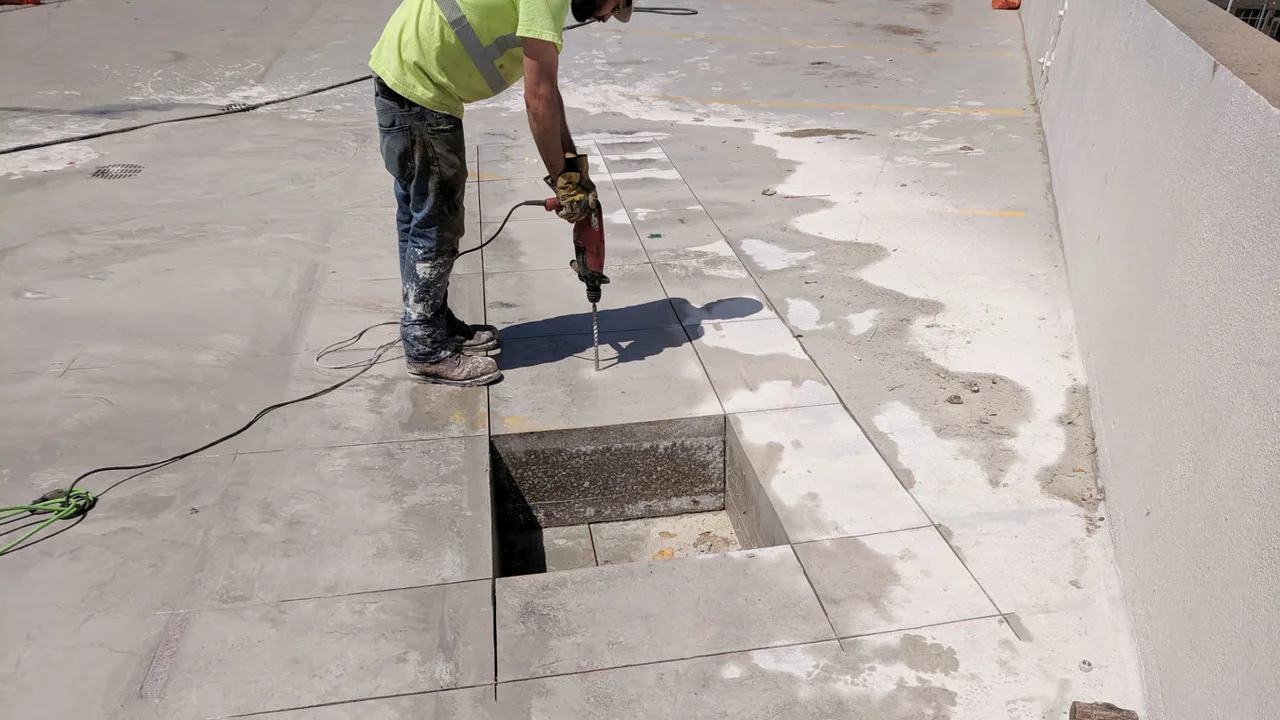
For many workshops, the bridge saw or slab cutting machine is the core machine for turning large slabs into usable components. It is commonly used for countertops, tiles, wall panels, flooring pieces, stair treads, and construction materials.
For workshops that process slabs into countertops, tiles, and construction materials, choosing reliable slab cutting equipment for stone workshops can help improve cutting accuracy, reduce material waste, and keep production schedules more predictable.
A slab cutting machine is especially important when a workshop needs straight cuts, angle cuts, repeated sizing, and efficient slab breakdown. With a stable machine structure, proper blade selection, and accurate positioning, operators can process more material with fewer errors.
Granite Cutting Machine
Granite is dense, hard, and abrasive. Cutting it requires strong mechanical structure, stable spindle power, effective cooling, and suitable diamond blades. A granite cutting machine must control vibration and heat because both can affect blade life and edge quality.
Workshops that handle granite countertops, floor tiles, cladding panels, or heavy construction pieces need equipment that can stay stable under pressure. Weak cutting systems may create chipped edges, slow production, and increase blade consumption.
Marble Cutting Equipment
Marble has a different challenge. It is usually softer than granite, but it can be more sensitive to chipping, cracking, and damage along natural veins. Good marble cutting equipment should provide smooth movement, controlled feed speed, stable water cooling, and careful material support.
For decorative products, marble cutting is not only about size. Visual quality matters. A small chip on a visible edge may reduce the value of the finished product. For this reason, workshops processing marble often need a careful balance between cutting speed and surface protection.
CNC And Specialized Cutting Systems
Some workshops also use CNC cutting or specialized machines for sink holes, curved profiles, custom shapes, and architectural details. These systems are useful when production includes mixed orders, irregular designs, and higher-value custom work.
However, not every workshop needs full CNC automation at the beginning. The better approach is to match the investment with the product mix. A workshop focused on simple slab breakdown may prioritize a strong bridge saw first, while a countertop manufacturer with many custom orders may benefit from CNC functions earlier.
What Stone Cutting Equipment Improves In Daily Production
Good stone cutting equipment affects more than the cutting room. It influences the entire workshop, from material usage to installation quality.
| Production Area | Impact Of Better Cutting |
|---|---|
| Accuracy | Fewer dimensional errors and better product fit |
| Material Yield | Less waste from poor layout or unstable cutting |
| Finishing | Reduced grinding, edging, and correction work |
| Throughput | Faster movement from cutting to polishing |
| Safety | More stable slab handling and controlled operation |
| Customer Result | Cleaner products with fewer installation issues |
Better Accuracy And Lower Rework
Accuracy is one of the most important reasons to invest in better cutting systems. A clean, controlled cut makes the next process easier. Edging teams do not need to remove excessive material. Polishing operators can work with more consistent surfaces. Installers receive parts that fit the design more closely.
For countertops, accurate dimensions are especially important around wall edges, cabinet lines, sinks, cooktops, and seams. For tiles and construction panels, consistent sizing affects joint quality and installation speed. Every millimeter matters when many pieces need to fit together.
Higher Material Yield
Stone slabs can be expensive, especially when the material is premium granite, marble, quartz, or engineered stone. Poor cutting layout and unstable machine performance can waste valuable material.
A better cutting system allows operators to plan more efficiently, follow the cutting layout more accurately, and reduce mistakes. Even a small improvement in material yield can create significant savings over hundreds of slabs per month.
Faster Throughput
Modern workshops often deal with tight project schedules. Cutting delays can create bottlenecks for polishing, edging, packing, and shipping. Machines with programmable functions, stable positioning, and efficient operation help reduce manual measuring time and improve daily output.
A faster cutting process does not mean rushing. It means creating a smoother workflow where operators spend less time correcting errors and more time producing usable components.
Safer Workshop Operation
Cutting areas can be risky. Heavy slabs, rotating blades, water, electricity, dust, and moving equipment all require careful control. Well-designed machines improve operator safety through stable tables, guarded cutting zones, controlled water flow, and better material support.
Safety also affects productivity. Accidents cause downtime, damage materials, and create pressure on production schedules. A safer workshop is usually a more efficient workshop.
Matching Equipment With Real Workshop Needs
There is no single best machine for every stone manufacturer. The right choice depends on what the workshop produces every day.
A small custom shop may need flexibility for varied countertop orders. A medium-sized workshop may need a balanced setup for countertops, tiles, and panels. A large manufacturing facility may prioritize automation, high output, and multiple machines working together.
Before choosing stone fabrication equipment, workshop owners should review:
- Daily slab volume
- Maximum slab size
- Material type and hardness
- Required cutting tolerance
- Product category
- Available workshop space
- Crane or forklift access
- Water treatment setup
- Operator skill level
- Maintenance capability
- Spare parts availability
- Future expansion plan
This evaluation prevents two common mistakes: buying a machine that is too limited for future growth, or buying an advanced system that the workshop cannot fully use. A practical investment should match current production while leaving room for expansion.
Hizar Group works in a market where stone workshops increasingly expect machines to support both mechanical strength and practical production control. For many buyers, the best equipment decision is not the most complicated one. It is the one that makes daily production more stable.
Why Cutting Quality Affects Polishing, Edging, And Installation
Cutting is the foundation of the fabrication line. If the first cut is poor, the problem moves forward into every later stage.
A rough edge requires more grinding. An inaccurate size creates installation problems. A chipped visible edge may require repair or replacement. A poorly planned cut may waste material that could have been used for another component.
The hidden cost of poor cutting is not only the damaged stone. It includes extra labor, slower production, missed deadlines, and customer complaints. In commercial projects, delays can affect multiple teams at the same time. A countertop delay can hold back cabinet work. A panel sizing issue can slow wall installation. A tile inconsistency can affect the appearance of an entire floor.
Better cutting quality reduces these risks. It gives the finishing team a cleaner starting point and gives installation crews parts that are closer to the design requirement.
Digital Features In Modern Stone Workshops
Modern cutting systems are becoming more digital and easier to control. Touchscreen operation, programmable cutting, laser positioning, automatic measurement, and layout software help operators reduce manual errors.
Digital layout tools can help workshops use slab surfaces more efficiently, especially when working with veined materials. Some systems also support job tracking, barcode management, or production records, which are useful for workshops handling multiple orders at the same time.
These features do not replace skilled operators. Instead, they help operators work more consistently. A machine with practical digital control can repeat the same cut across batch production and reduce dependence on manual measurement. For manufacturers trying to improve output without losing quality, this is a major advantage.
Hizar Group’s industry focus reflects this broader shift: stone workshops are not only asking whether a machine can cut. They are asking whether it can support stable workflow, easier operation, and long-term production planning.
Common Mistakes When Buying Cutting Equipment
Many workshops know they need better machines, but the buying process can still go wrong. The following mistakes are common.
Buying Only Based On Price
A cheaper machine may look attractive at first, but weak structure, unstable cutting, poor support, and frequent downtime can make it more expensive over time. The real cost of equipment should include maintenance, blade consumption, production delays, and rework.
Ignoring Material Hardness
A machine that performs well on softer stone may struggle with thick granite or high-volume production. Buyers should match machine strength with the hardest material they expect to process regularly.
Forgetting Workshop Layout
Even a good machine can perform poorly in a bad layout. Slab loading space, operator movement, water drainage, crane access, and finished product flow all affect productivity.
Overbuying Automation Too Early
Advanced automation is useful, but it must fit the business model. A small workshop with simple repetitive orders may not need the most complex system immediately. It may get better returns from a reliable cutting machine, good handling tools, and better workflow planning.
Not Checking Service And Spare Parts
Long-term productivity depends on support. Buyers should consider training, spare parts, maintenance access, blade compatibility, and technical service before making a decision.
Building A More Productive Workshop Around The Right Cutting System
Stone cutting equipment is one of the most important investments in a modern manufacturing workshop. It shapes accuracy, material yield, finishing workload, safety, and delivery speed. When the cutting stage is stable, the entire workshop becomes easier to manage.
A productive stone workshop is not built around one machine alone. It is built around the connection between cutting, handling, polishing, edging, water management, quality control, and packing. The right cutting system should fit the workshop’s materials, product types, labor skill, available space, and growth plan.
For manufacturers serving countertops, tiles, architectural stone, and construction materials, better cutting is a direct path to better production performance. By choosing equipment carefully and planning the workflow around it, workshops can reduce waste, improve quality, and compete more confidently in a demanding stone manufacturing market.