

The global energy landscape is currently navigating one of its most turbulent periods in modern history. As of May 2026, the Organization of the Petroleum Exporting Countries, better known as OPEC, is facing a foundational crisis that threatens to permanently alter the architecture of international oil trade.
The formal withdrawal of the United Arab Emirates (UAE) from the group on May 1, 2026, marks a historic departure. While OPEC has weathered the loss of smaller members in the past, the exit of a top-seven global producer with massive spare capacity signals a shift from coordinated market restraint to a new era of aggressive, sovereign-led competition.
The UAE’s Historic Exit: Why Now?
For nearly 60 years, the UAE has been a cornerstone of OPEC. However, the strategic interests of Abu Dhabi have increasingly diverged from the restrictive quota systems mandated by the Vienna-based organization.
1. Monetizing the $150 Billion Investment
The primary driver behind the UAE’s decision is a massive $150 billion investment program aimed at expanding its national production capacity to 5 million barrels per day (bpd) by 2030. Under OPEC membership, the UAE was forced to keep a significant portion of this capacity offline to support global prices. By “dumping” its membership, the UAE gains the sovereign flexibility to monetize its resources at a volume that suits its national budget, rather than the collective needs of the group.
2. Geopolitical Friction and Regional Security
The departure is not merely economic; it is deeply geopolitical. Tensions within the broader OPEC+ alliance spiked following the U.S.-Israeli conflict with Iran. UAE officials have reportedly expressed frustration with other Arab states regarding what they perceived as insufficient protection against drone and missile attacks on energy infrastructure. This breakdown in regional security cooperation made the rigid constraints of OPEC membership appear increasingly unattractive to Abu Dhabi.
The Paradox of 2026: Why Supply Hasn’t Flooded the Market
Typically, when a high-capacity producer leaves OPEC, the market braces for a “price war” as that nation ramps up production to grab market share. However, as of May 2026, the anticipated “dumping” of UAE crude has been physically restrained by the ongoing conflict in the Middle East.
1. The Strait of Hormuz Deadlock
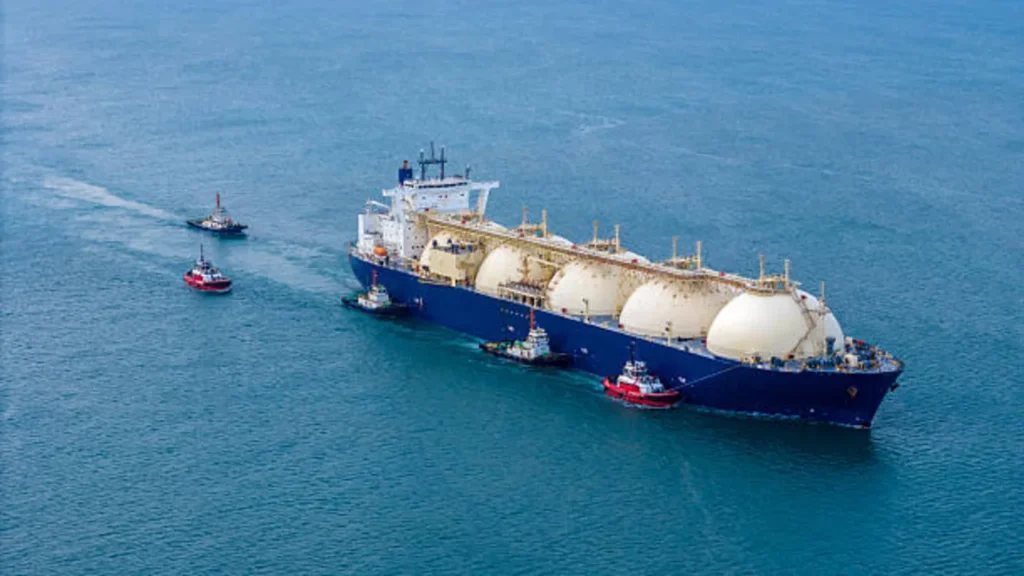
The Strait of Hormuz, a critical waterway for OPEC members that handles roughly 20% of the world’s oil, remains largely impassable due to military threats and blockades. Maritime data indicates that transits have plummeted from over 120 per day to as few as 19.
2. Logistical Bottlenecks
Even though the UAE is now free from OPEC quotas, it cannot physically export its extra millions of barrels. The Abu Dhabi Crude Oil Pipeline to Fujairah—the only major route that bypasses the Strait—is likely already operating at its maximum capacity of 1.8 million bpd. Until the maritime shipping routes are secured, the UAE’s new production freedom exists primarily on paper, providing a temporary “buffer” that prevents a total price collapse.
The Structural Threat to OPEC’s Future
While the short-term supply remains choked by war, the long-term structural damage to OPEC is profound. Analysts warn that the departure of the UAE is qualitatively different from previous exits by countries like Qatar, Ecuador, or Angola.
1. The Loss of a Heavyweight
The UAE was one of the few members with the financial and technical ability to actually influence global supply. Its departure leaves OPEC heavily reliant on Saudi Arabia and Russia (via the OPEC+ framework) to bear the brunt of any future production cuts.
2. A Move Toward “Volume over Value”
The UAE’s exit signals a transition in the oil market mindset. For decades, OPEC succeeded by prioritizing “value”—restricting supply to keep prices high. The UAE is now pivoting to a “volume” strategy, aiming to sell as much oil as possible while the world still relies on fossil fuels before the green energy transition reaches its peak. If other members follow suit, the era of managed oil prices could come to a violent end.
Market Volatility: The Geopolitical Premium
The immediate market reaction to the UAE leaving OPEC has been characterized by intense volatility. On the day of the announcement, Brent crude jumped to a four-year high of $126 per barrel before settling back toward $111.
This pricing is not driven by the UAE’s exit, but by the “geopolitical premium” created by the Iran conflict. Market participants are caught between two opposing forces:
-
The Bearish Force: The UAE’s exit and its potential to flood the market with 5 million bpd in the future.
-
The Bullish Force: The physical reality that OPEC oil is currently trapped behind a naval blockade.
As we move further into 2026, the question is no longer just about the price of a barrel, but about the survival of the cartel itself. OPEC was designed to provide stability in a predictable world. In the chaotic environment of 2026—marked by regional wars, shipping blockades, and a fragmenting alliance—the group’s ability to “balance” the market is at its weakest point in decades.
The UAE has chosen a path of sovereign independence, betting that it is better off competing on the open market than following the dictates of a group that can no longer guarantee regional security or market stability. Whether this triggers a domino effect among other OPEC members remains to be seen, but the “Open Interest” in oil has never been more unpredictable.