

Sleep disorders are becoming increasingly common in modern society, and one of the most underdiagnosed conditions is sleep apnea. Many people experience interrupted breathing during sleep without realizing it, which can lead to fatigue, reduced concentration, and serious long-term health risks. With the rapid development of wearable devices, smartwatch sleep apnea monitoring is becoming a practical and accessible way to detect early signs of sleep problems without the need for complicated medical equipment.
Today’s smartwatches are far more advanced than simple fitness trackers. They are equipped with sensors capable of measuring blood oxygen levels, heart rate, sleep cycles, and breathing patterns. These features allow users to monitor their health continuously, including during sleep, when many important signals about the body can be observed. Because sleep apnea often occurs without obvious symptoms during the day, having a device that can track changes overnight can help users become aware of potential problems earlier.
Understanding Sleep Apnea and Its Risks
Sleep apnea is a condition in which breathing repeatedly stops and starts while a person is asleep. These pauses in breathing may last for several seconds and can occur dozens of times per hour. When breathing stops, the body receives less oxygen, forcing the brain to wake the person briefly to restore normal breathing. Most people do not remember these interruptions, but they can significantly affect sleep quality and overall health.
Common symptoms associated with sleep apnea include loud snoring, daytime fatigue, headaches in the morning, and difficulty focusing. Some people may also experience mood changes or decreased productivity due to poor sleep. Over time, untreated sleep apnea can increase the risk of serious medical conditions such as high blood pressure, heart disease, diabetes, and stroke.
Traditionally, diagnosing sleep apnea requires an overnight sleep study in a clinic, where sensors are attached to the body to monitor breathing, heart rate, and brain activity. While effective, this process can be inconvenient, expensive, and uncomfortable. This is why smartwatch sleep apnea monitoring has gained attention as a more convenient way to identify early warning signs.
How Smartwatches Monitor Sleep and Breathing
Modern smartwatches use a combination of sensors and software algorithms to analyze the body during sleep. These devices collect data continuously throughout the night and look for patterns that may indicate irregular breathing or poor sleep quality. Although they do not provide a medical diagnosis, they can detect signs that suggest the possibility of sleep apnea.
Blood Oxygen Tracking
One of the most important features used in smartwatch sleep apnea monitoring is blood oxygen measurement. When breathing stops temporarily, oxygen levels in the blood may decrease. Smartwatches use optical sensors placed against the skin to estimate oxygen saturation levels. Repeated drops in oxygen during sleep may indicate breathing interruptions.
Heart Rate Monitoring
Sleep apnea often affects heart rhythm. When breathing pauses occur, the heart may beat faster or slower as the body reacts to reduced oxygen. Smartwatches track heart rate throughout the night and can identify unusual patterns that may be linked to breathing problems.
Movement and Breathing Pattern Detection
Wearable devices also include motion sensors that detect small wrist movements. These movements can reflect breathing rhythm or sudden body movements caused by waking during the night. Frequent disturbances may suggest poor sleep quality or irregular breathing.
Sleep Stage Analysis
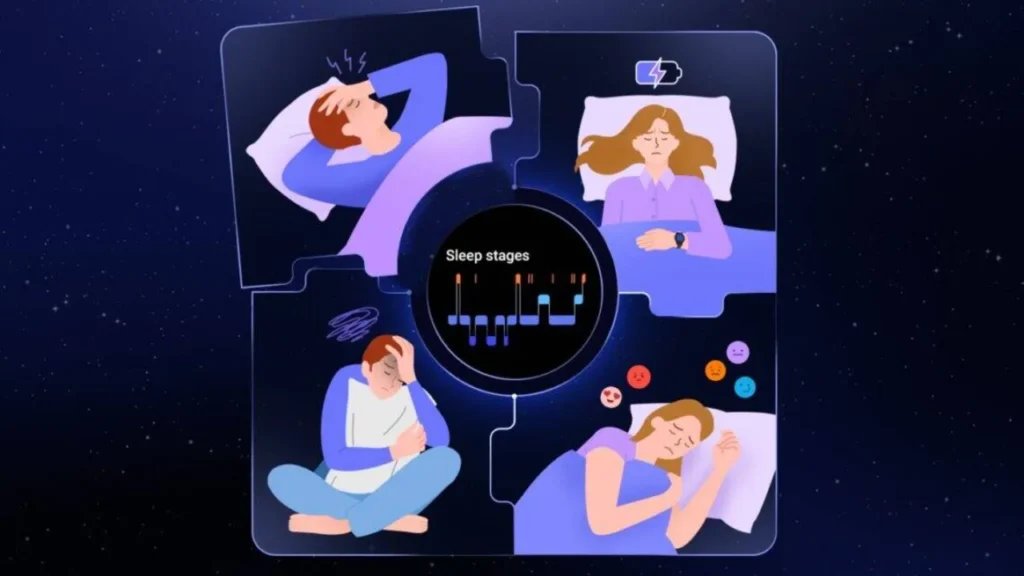
Smartwatches analyze sleep cycles to determine how long a person spends in light sleep, deep sleep, and REM sleep. People with sleep apnea often wake up repeatedly, even if they do not remember it. By tracking sleep stages, the device can detect unusual patterns that may indicate a sleep disorder.
The Benefits of Smartwatch Sleep Apnea Monitoring
The popularity of wearable health devices is growing because they provide convenient access to personal health data. Compared to traditional sleep testing, smartwatch sleep apnea monitoring offers several advantages that make it useful for everyday users.
Continuous monitoring is one of the biggest benefits. Instead of testing sleep for only one night, a smartwatch can collect data every night, giving a more accurate picture of long-term sleep habits.
Comfort and ease of use also make wearable devices attractive. A smartwatch can be worn like a regular watch, without wires, masks, or bulky equipment. This allows users to sleep naturally while the device collects information.
Early detection is another important advantage. Many people live with sleep apnea for years without knowing it. Regular monitoring increases the chance of noticing symptoms early, which makes treatment more effective.
Better health awareness is also a key benefit. When people can see their sleep data, they often become more motivated to improve their lifestyle, reduce stress, and maintain healthier habits.
Useful information for doctors is another reason why smartwatch sleep apnea monitoring is valuable. The recorded data can be shared with medical professionals, helping them understand sleep patterns before performing clinical tests.
Limitations of Smartwatch Sleep Monitoring
Although wearable technology is improving quickly, it is important to understand that smartwatches are not medical devices designed to diagnose sleep apnea. They provide estimates based on sensor data, which means the results may not always be perfectly accurate.
Several factors can affect the accuracy of smartwatch sleep apnea monitoring. The device must be worn correctly, and the sensors must stay in contact with the skin. Movement during sleep or loose positioning may cause incorrect readings.
In addition, smartwatches cannot measure brain activity, which is an important part of professional sleep studies. Because of this, they should be used as a screening tool rather than a final diagnosis. If the device shows repeated signs of breathing problems, it is important to consult a medical professional for proper evaluation.
The Future of Wearable Sleep Health Technology
Wearable technology continues to develop rapidly, and future smartwatches are expected to include even more advanced health features. Improvements in sensor accuracy, artificial intelligence, and data analysis will make smartwatch sleep apnea monitoring more reliable.
Future devices may be able to detect breathing problems in real time and alert the user immediately. Some systems may also connect directly to healthcare providers, allowing doctors to monitor patients remotely. This could make sleep disorder diagnosis faster and more convenient.
As technology improves, wearable devices may become a standard part of personal healthcare. Just as heart rate tracking has become common, sleep monitoring may soon be considered essential for maintaining overall health.
Why Sleep Monitoring Is Important Today
Modern lifestyles often include long working hours, high stress levels, and irregular sleep schedules. Because of this, many people experience poor sleep without realizing the cause. Monitoring sleep provides valuable information about how the body recovers each night.
Smartwatch sleep apnea monitoring helps people understand their sleep habits and identify potential problems early. Even if the device does not provide a medical diagnosis, it can show patterns that encourage users to seek professional advice.
Better sleep leads to better energy, improved concentration, and stronger overall health. By using wearable technology, individuals can take a more active role in managing their well-being.
Conclusion
Smartwatch sleep apnea monitoring represents a major advancement in personal health technology. With the ability to track oxygen levels, heart rate, breathing patterns, and sleep stages, modern smartwatches provide valuable insights into how the body behaves during sleep.
Although these devices cannot replace professional medical testing, they offer a convenient and comfortable way to monitor sleep every night. Early awareness of sleep problems can help prevent serious health risks and encourage people to seek proper treatment.
As wearable technology continues to evolve, smartwatches will play an increasingly important role in helping individuals understand their sleep, protect their health, and improve their quality of life.