
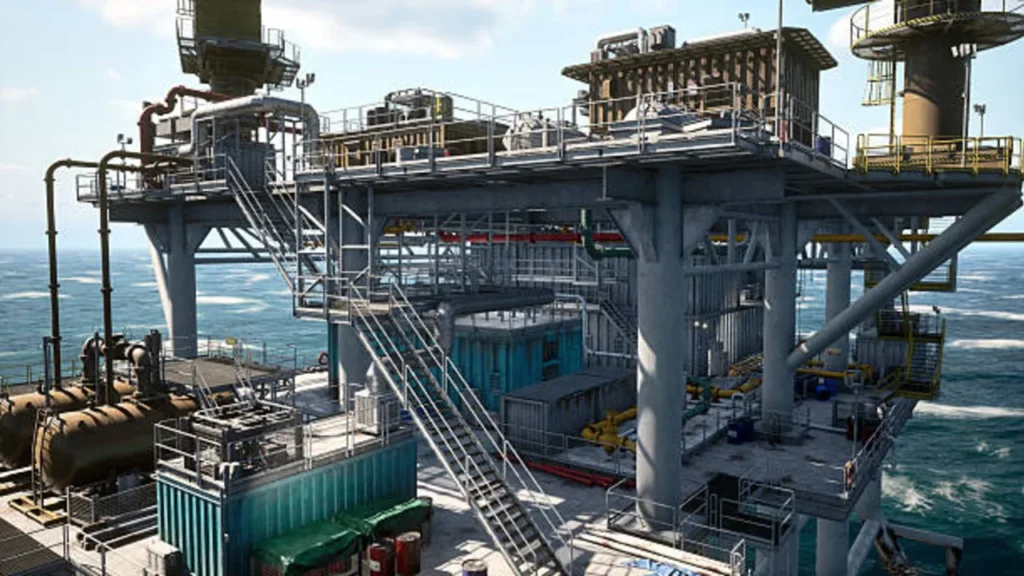

The development of offshore wind energy in the United States recently experienced a dramatic legal reversal. After months of uncertainty and halted construction across several major wind projects, federal courts have ordered that work on offshore wind installations be allowed to resume. The decision represents a significant moment for the country’s renewable energy sector, which had been facing political and regulatory disruptions.
The court rulings effectively blocked attempts by the federal government to halt offshore wind construction based on undisclosed national security concerns. Multiple judges issued injunctions against the stop-work orders, concluding that the government had not provided sufficient justification for suspending projects that had already undergone years of regulatory review.
For developers, investors, and supply chain partners, the US offshore wind construction restart signals renewed momentum for an industry that has invested billions of dollars in infrastructure along the East Coast.
Background: The Government’s Halt on Offshore Wind Projects
The conflict began when federal authorities issued orders suspending construction activities on several offshore wind farms under development in U.S. waters. The projects affected were already in advanced stages of construction, with billions of dollars invested and major infrastructure components already installed.
Officials argued that offshore wind turbines might pose national security risks. The justification centered on a classified analysis that allegedly identified potential interference with defense systems such as radar or surveillance technology.
However, the reasoning behind the suspension was not made public. Because the analysis remained classified, developers and state governments were unable to evaluate the specific claims or respond directly to them.
The sudden suspension created immediate disruption across the offshore wind industry. Construction vessels were forced to halt operations, installation schedules were delayed, and project developers faced significant financial losses.
For large-scale infrastructure projects, even short interruptions can translate into millions of dollars in additional costs.
Developers Challenge the Suspension in Court
Offshore wind developers quickly responded by filing lawsuits against the federal government. Their legal argument focused on the abrupt nature of the suspension and the lack of transparency surrounding the alleged security concerns.
According to the developers, the stop-work orders were issued without adequate explanation or proper administrative procedure. Many of the projects had already received federal approvals after extensive environmental reviews and multi-year permitting processes.
From the developers’ perspective, the halt threatened not only current projects but also the long-term credibility of U.S. renewable energy policy. Investors rely on predictable regulatory frameworks when committing billions of dollars to energy infrastructure.
If projects can be suspended unexpectedly without clear evidence or due process, the financial risks for future investment increase dramatically.
Courts Reject the Government’s Justification
Federal judges reviewing the cases expressed skepticism toward the government’s justification for the construction freeze. In several rulings, the courts determined that the government had not demonstrated sufficient grounds to justify the immediate suspension of ongoing projects.
The judges emphasized that major infrastructure developments require stability in regulatory decision-making. Halting projects that were already under construction—without presenting publicly reviewable evidence—could cause significant economic damage.
In response, the courts issued preliminary injunctions preventing enforcement of the stop-work orders. These rulings allow construction activities to resume while the broader legal disputes continue.
By blocking the government’s suspension orders, the courts effectively triggered the US offshore wind construction restart across all affected projects.
Projects Affected by the Legal Battle
Several large offshore wind farms along the U.S. East Coast were caught in the dispute. These projects represent some of the most significant renewable energy investments currently underway in the country.
Many of them are designed to supply electricity to densely populated coastal regions, including major metropolitan areas that require substantial energy capacity.
Some projects were already nearing completion before the suspension occurred. Foundations had been installed, electrical infrastructure was under construction, and turbines were scheduled for installation.
Because offshore wind construction follows tight seasonal windows—particularly for marine installation activities—the sudden pause threatened to delay projects by months or eFinancial Stakes Behind Offshore Wind
Offshore wind projects require enormous capital investment. Individual wind farms can cost several billion dollars to develop, involving complex engineering, marine logistics, and large-scale supply chains.
The halted projects collectively represent gigawatts of potential electricity generation capacity. Once operational, these installations are expected to provide clean energy to hundreds of thousands—or even millions—of homes.
The suspension therefore had implications far beyond the companies directly involved. Equipment manufacturers, marine contractors, port facilities, and regional economies all depend on the continued progress of offshore wind projects.
For the renewable energy industry, the US offshore wind construction restart is viewed as a critical step toward stabilizing the market.Political Tensions Around Renewable Energy
The dispute surrounding offshore wind construction also reflects broader political tensions in U.S. energy policy. Wind energy development has become a highly polarized topic in national politics.
Supporters argue that offshore wind is essential for reducing greenhouse gas emissions and expanding domestic renewable energy capacity. Coastal wind resources offer a reliable source of large-scale clean electricity.
Critics, however, have raised concerns about visual impacts, environmental effects on marine ecosystems, and the cost of offshore wind projects compared with other energy sources.
The legal conflict over construction halts illustrates how energy policy decisions can quickly escalate into complex regulatory and judicial battles.
Implications for the Renewable Energy Industry
The court decisions may have long-lasting consequences for renewable energy development in the United States. By intervening to block the suspension orders, judges reinforced the importance of procedural transparency and regulatory consistency.
For developers and investors, this outcome helps restore some confidence that projects already approved through established processes will not be abruptly halted without clear legal justification.
The rulings also demonstrate the role of the judicial system in balancing executive authority with economic and administrative stability.
If the courts had allowed the suspension orders to remain in place, the consequences could have extended beyond offshore wind. Other large-scale infrastructure projects—including solar farms, transmission lines, and energy storage facilities—might have faced similar uncertainty.
What Happens Next
Although construction has been allowed to resume, the legal disputes are not fully resolved. The underlying lawsuits challenging the government’s actions are expected to continue through the courts.
Future rulings could address broader questions about federal authority over renewable energy development and the use of national security claims in infrastructure policy.
In the meantime, offshore wind developers are focused on restarting installation activities and minimizing delays caused by the suspension.
The US offshore wind construction restart represents a temporary victory for the renewable energy sector—but the long-term regulatory landscape remains uncertain.
A Turning Point for Offshore Wind in America
The resumption of offshore wind construction marks an important moment for the U.S. energy transition. Offshore wind has the potential to become a major pillar of the country’s clean energy strategy, especially in coastal regions with high electricity demand.
While legal and political battles are likely to continue, the court rulings demonstrate that large-scale renewable projects can still move forward when supported by established regulatory approvals and judicial oversight.
For now, turbines will continue rising offshore—symbolizing both the opportunities and the challenges of building the next generation of energy infrastructure.