
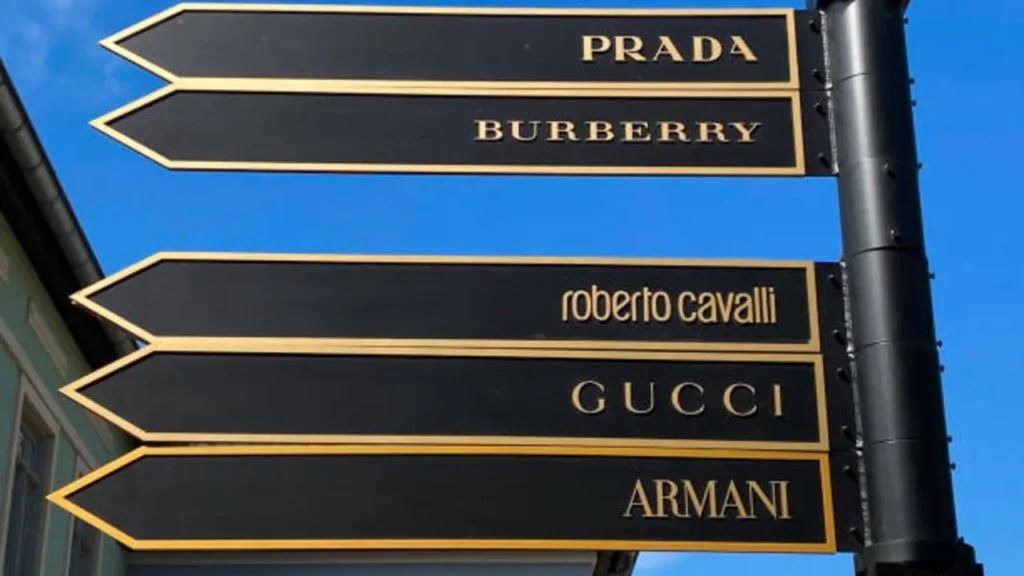

The global luxury industry is facing a new wave of disruption as escalating geopolitical tensions in the Middle East force international brands to suspend operations and temporarily close stores across the region. What had recently been one of the fastest-growing luxury markets is now experiencing sudden instability, pushing retailers to rethink their regional strategies.
Shopping hubs that normally attract wealthy travelers and high-spending tourists—such as Dubai, Abu Dhabi, and other Gulf cities—have seen retail activity slow dramatically. Many luxury brands closing Middle East stores are responding to immediate safety concerns, disruptions to transportation networks, and the uncertainty surrounding the regional conflict.
For an industry that depends heavily on tourism and international travel, the sudden drop in mobility has created a ripple effect throughout the retail ecosystem.
Retail Operations Slow as Safety Concerns Grow
Luxury retailers operating in the Gulf region have begun adjusting their operations in response to the evolving situation. In some cases, stores have been temporarily closed, while others continue to operate with minimal staff or shortened business hours.
Retail groups responsible for distributing international brands throughout the Middle East have adopted flexible approaches to maintain safety while preserving operations where possible. Employees in several markets have been given the option to work remotely or stay home, particularly in cities where security conditions remain uncertain.
This shift highlights how quickly luxury brands closing Middle East stores must respond to changing geopolitical realities. For global companies with large physical retail networks, even short-term closures can disrupt sales, supply chains, and customer engagement strategies.
Luxury’s Growth Engine Suddenly Under Pressure
Over the past decade, the Middle East has evolved into one of the luxury industry’s most important emerging markets. Gulf countries—especially the United Arab Emirates and Saudi Arabia—have attracted heavy investment from global fashion houses seeking new growth outside traditional markets like Europe, China, and the United States.
Luxury shopping in the region is driven by several unique factors:
-
High concentrations of affluent consumers
-
Strong tourism flows from Asia, Europe, and Russia
-
Expanding luxury malls and destination retail districts
-
Government initiatives promoting tourism and entertainment
Because of these factors, the Middle East has been widely viewed as a critical growth engine for luxury brands.
However, the current situation is now threatening that momentum. As transportation disruptions limit travel and safety concerns discourage visitors, the region’s retail activity is slowing at a time when global luxury demand is already experiencing softer growth.
Tourism Slowdown Hits High-End Retail
One of the most immediate impacts of the conflict is the disruption to international travel. Airspace closures, flight cancellations, and security restrictions are reducing the flow of tourists who typically spend heavily in Middle Eastern luxury malls.
Tourism has long played a central role in luxury consumption across the Gulf. Many shoppers visiting Dubai, Doha, and other regional hubs travel specifically to purchase high-end fashion, jewelry, and watches.
With fewer international visitors arriving, luxury brands closing Middle East stores face an additional challenge: declining foot traffic in physical retail locations.
For luxury companies that rely heavily on experiential shopping environments—flagship boutiques, luxury malls, and curated in-store experiences—the loss of tourist traffic can significantly impact sales performance.
Global Brands Pause Expansion Plans
The Middle East has been a major focus of expansion for many international retailers in recent years. Luxury brands have invested heavily in flagship boutiques, exclusive product launches, and large-scale marketing events designed to attract regional customers and international tourists.
However, the current instability is forcing companies to reconsider their short-term plans. Some brands have delayed store openings, postponed events, or suspended business travel within the region.
These decisions illustrate the delicate balance luxury companies must maintain when operating in politically sensitive markets. While the region offers strong long-term growth potential, short-term volatility can quickly disrupt carefully planned retail strategies.
Financial Markets React to Industry Uncertainty
The effects of the crisis are not limited to retail operations. Investors are also closely monitoring how the situation might impact luxury companies’ financial performance.
Luxury stocks have shown signs of volatility as analysts attempt to estimate the potential impact of store closures, reduced tourism, and broader geopolitical uncertainty. Even though the Middle East represents a smaller portion of total global luxury revenue compared with Europe or Asia, it remains strategically important for growth.
For investors, the concern is not only about immediate revenue losses but also about the long-term stability of a region that had recently been outperforming other markets.
Supply Chains and Logistics Face Additional Challenges
Beyond storefront closures, the conflict is also creating logistical complications for companies operating in the region. Disruptions to air transport, shipping routes, and regional distribution networks can delay deliveries and affect inventory management.
Luxury retailers depend on carefully coordinated supply chains to ensure that new collections arrive on time and are available in key markets simultaneously. When geopolitical events interrupt those supply chains, brands must quickly adapt their logistics strategies to maintain operations.
This added complexity further explains why luxury brands closing Middle East stores have chosen to prioritize safety and operational flexibility until the situation stabilizes.
Long-Term Outlook for Luxury in the Region
Despite the current disruption, many analysts believe the Middle East will remain an important market for luxury retail in the long term. The region continues to attract investment in tourism infrastructure, high-end real estate, and destination shopping centers.
Countries across the Gulf are actively promoting international tourism and diversifying their economies beyond energy, creating new opportunities for global fashion houses.
However, the recent turmoil serves as a reminder that geopolitical risks can quickly reshape the retail landscape. For luxury brands, navigating these risks requires a combination of flexibility, risk management, and long-term commitment to regional markets.
A Fragile Moment for the Global Luxury Industry
The sudden wave of luxury brands closing Middle East stores highlights how interconnected the global fashion economy has become. Political instability in one region can rapidly affect tourism flows, consumer spending, and investor confidence around the world.
As the situation evolves, luxury companies will continue monitoring security conditions and adjusting their operations accordingly. For now, the priority remains ensuring the safety of employees and customers while protecting the long-term value of their presence in the Middle East.