

The China oil buying spree has been one of the strongest pillars supporting global crude demand in recent years. As the world’s largest crude oil importer, China plays a decisive role in shaping international energy prices and overall market stability.
Record Import Levels and Stockpiling Strategy
Over the past year, China recorded exceptionally high crude import volumes, averaging more than 11 million barrels per day. This surge reflects not only domestic consumption needs but also a deliberate stockpiling strategy.
The China oil buying spree was not driven solely by immediate refinery demand. A significant portion of imports was directed toward strengthening strategic petroleum reserves. By purchasing aggressively during relatively favorable pricing periods, China built a buffer against potential global supply disruptions.
Expanding Storage Infrastructure
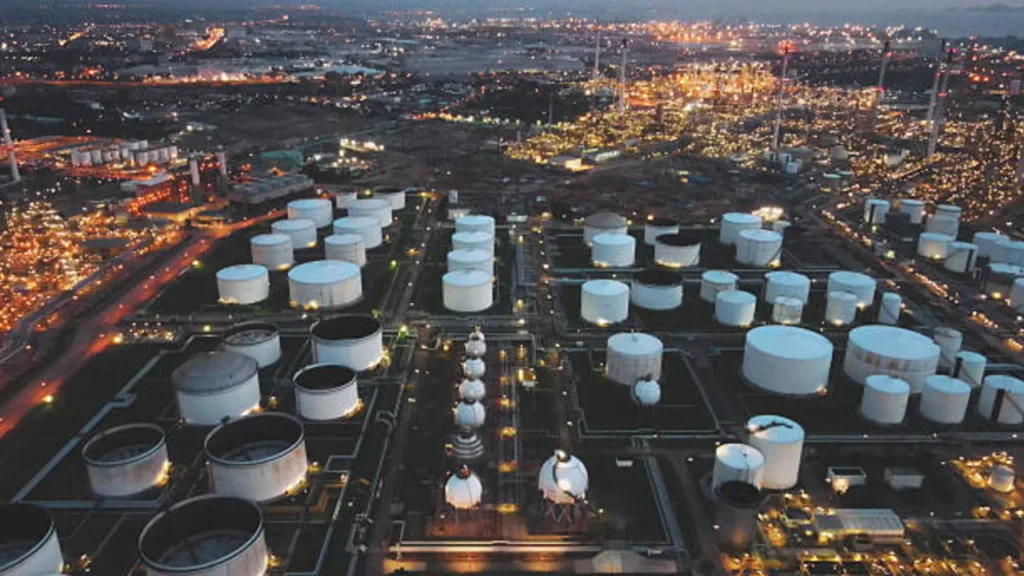
To support this strategy, China has continued expanding its oil storage capacity. Multiple new storage facilities have been planned and developed, allowing greater flexibility in managing import timing and inventory levels.
This indicates that the China oil buying spree is part of a long-term, structured energy policy rather than a short-term reaction to price movements.
Rising Prices and Logistics Costs
However, signs of a slowdown are beginning to emerge. Higher global oil prices have increased import costs and squeezed margins. When Brent crude remains at elevated levels, the financial burden on importers grows substantially.
- Higher international crude oil prices
- Increased shipping and insurance costs
- Geopolitical uncertainty in key producing regions
These combined pressures may limit further expansion of the China oil buying spree, particularly if domestic demand growth stabilizes.
Implications for the Global Oil Market
Given the scale of its purchases, any shift in the China oil buying spree can directly impact global oil prices. A slowdown in imports could ease upward price pressure worldwide.
Conversely, renewed aggressive buying to reinforce reserves or respond to geopolitical risks could push prices higher once again.
Conclusion
The China oil buying spree has been a major driver of global crude demand. Yet rising prices, logistics costs, and geopolitical risks suggest that the period of aggressive purchasing may not continue indefinitely. Market participants are closely monitoring China’s import strategies for signals that could shape the next phase of global energy pricing.