
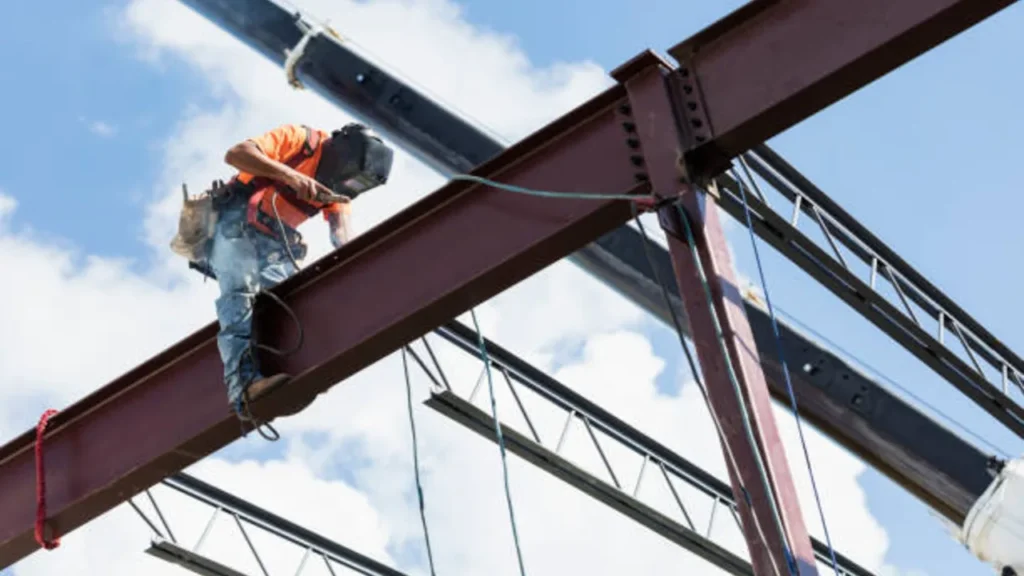

The global construction landscape is entering a new era where digitalization defines competitiveness. China’s steel sector — long known for its production scale and engineering capability — is now pioneering a technological revolution that combines automation, data, and intelligent design. Through the rise of steel structure china, the nation is reshaping how industrial and commercial buildings are designed, fabricated, and assembled, setting a new benchmark for modern construction efficiency.
The Digital Leap in Chinese Manufacturing
China’s manufacturing industries are in the midst of a nationwide digital transformation, driven by policies such as “Made in China 2025” and “Smart Construction.” The construction of steel structures is one of the most prominent examples of this shift. Once dominated by manual labor and fragmented workflows, today’s steel fabrication plants are becoming interconnected ecosystems of robotics, 3D modeling, and data-driven planning.
This transformation is not only improving the accuracy and speed of production but also redefining what it means to build in the digital age. As demand grows for faster, cleaner, and more sustainable construction, the steel structure china sector demonstrates how technology and engineering can merge to achieve precision and scale simultaneously.
Overview of China’s Steel Structure Industry
China is the world’s largest producer and exporter of structural steel, supplying materials and complete building systems to projects across Asia, Africa, and Europe. The industry supports massive infrastructure — from airports and stadiums to industrial parks and logistics hubs. Yet, despite its scale, traditional workflows once faced persistent challenges: inefficient project coordination, slow communication between design and production, and costly rework due to human error.
As a response, major steel companies began to integrate digital fabrication systems into their processes. These systems use precise computer-aided manufacturing tools and intelligent modeling platforms to streamline every stage of steel production — from design approval to beam cutting and welding automation.
The Push Toward Digitalization
China’s push toward digital adoption is strategic and systemic. The government actively promotes “smart factories” and “intelligent construction sites” as part of its long-term modernization goals. For the steel structure china industry, this means a shift from labor-intensive operations to fully integrated digital ecosystems where software, sensors, and human expertise work together.
The transformation began with Building Information Modeling (BIM) — a digital platform that allows architects, engineers, and fabricators to collaborate on a single 3D model. BIM has now become the foundation for project visualization, cost control, and real-time monitoring. Combined with CNC machines and robotic welding systems, digital fabrication is enabling Chinese manufacturers to produce complex structures with unmatched precision.
Digital Fabrication: The Backbone of Modern Steel Production
Digital fabrication refers to the use of computer-controlled machinery and data-driven design to manufacture components directly from digital files. In the context of steel structure china, this approach is revolutionizing how beams, trusses, and panels are cut, drilled, welded, and assembled.
- 3D modeling and simulation: Engineers can now simulate structural performance before production, minimizing errors.
- Automated CNC cutting: Computer numerical control ensures every beam is fabricated with millimeter-level precision.
- Robotic welding: Improves weld quality and consistency while reducing safety risks.
- Real-time quality monitoring: IoT sensors track every stage of fabrication for traceability and performance analytics.
| Process Aspect | Manual Fabrication | Digital Fabrication |
|---|---|---|
| Accuracy | ±10 mm tolerance | ±1 mm tolerance |
| Production Speed | Slow, dependent on labor | Fast, automated workflow |
| Cost Efficiency | High labor and material waste | Optimized material use, lower costs |
| Data Integration | Limited | Full traceability and digital linkage |
By digitizing fabrication, steel producers can reduce rework, improve quality control, and shorten delivery cycles. It also allows for flexible scaling — critical for large export-driven companies that handle multiple international projects simultaneously.
Smart Factories: The Next Step in Steel Industry Evolution
The rise of smart factories marks the next evolution of steel structure china. These facilities combine robotics, Internet of Things (IoT), and artificial intelligence to monitor, control, and optimize operations in real time. Every machine, from the cutting line to the paint booth, is connected through a digital network that gathers and analyzes production data.
For example, a digital twin — a virtual replica of the production floor — enables managers to simulate fabrication scenarios, forecast maintenance needs, and optimize workflows before implementation. Predictive analytics then helps reduce downtime and material waste, making operations more sustainable.
Smart factories also improve workforce safety and skill distribution. Instead of repetitive manual work, operators now manage data systems, oversee robotic arms, and make real-time production decisions using dashboard analytics. This shift represents a profound cultural transformation in China’s industrial ecosystem — from manpower to “mind power.”
Integration Example: Jiangsu’s Digital Steel Hub
In Jiangsu province, one of China’s most advanced manufacturing regions, digital steel plants have emerged as models of innovation. Facilities like those operated by steel structure china firms showcase how end-to-end automation — from CAD modeling to robotic assembly — can cut lead times by up to 40%.
These plants are not just production sites but living laboratories of smart construction. Using AI-driven scheduling and automated inspection, they ensure that every fabricated component meets global quality standards before shipment to clients in Southeast Asia, Africa, and Europe.
Case Studies: Digital Transformation in Action
The journey toward digital transformation within the steel structure china industry can best be understood through real-world implementations. Several Chinese steel manufacturers have successfully integrated advanced technologies to redefine how projects are designed, fabricated, and managed — setting international benchmarks in the process.
XTD Steel Structure: A Model of Digital Fabrication Excellence
One of the most recognized examples is steel structure china manufacturer XTD Steel Structure, which has implemented full-scale digital fabrication workflows. Using advanced 3D modeling, CNC beam cutting, and robotic welding systems, the company can turn digital blueprints into precise structural components within hours instead of days.
Each stage of the process — from digital design to final delivery — is linked through an integrated ERP system, ensuring total traceability and real-time monitoring. This seamless digital chain reduces waste, shortens lead time, and improves quality consistency across international projects in Indonesia, Cambodia, Libya, and other markets.
By leveraging automation and smart factory principles, XTD has achieved a 30–40% increase in production efficiency while significantly reducing material waste. The integration of AI-powered inspection systems also ensures each weld and joint meets ISO and GB standards, reinforcing the reputation of “steel structure made in China” as a global mark of excellence.
National Digital Construction Programs
Beyond private enterprises, government-backed initiatives are also driving widespread adoption of digital technologies in steel structure fabrication. Industrial zones in Suzhou, Wuhan, and Tianjin have become clusters for intelligent steel construction, equipped with high-precision digital fabrication centers and cloud-based data platforms that connect design institutes with fabricators in real time.
These digital clusters are supported by the Ministry of Housing and Urban-Rural Development (MOHURD), which encourages BIM implementation, cloud collaboration, and intelligent logistics systems across the entire construction supply chain. As a result, the steel structure china ecosystem is evolving into an interconnected, data-rich network that boosts transparency, accountability, and efficiency.
Benefits of Digital Innovation in the Steel Industry
The shift to digital has reshaped every aspect of how steel structures are conceptualized and executed. From faster design cycles to greater sustainability, the benefits are evident across engineering, fabrication, and installation.
- Precision and Accuracy: Digital modeling ensures every component is produced with exact specifications, minimizing human error.
- Efficiency: Automated workflows and data synchronization reduce project timelines and production costs.
- Enhanced Safety: Robotic operations and smart sensors reduce on-site accidents and protect workers.
- Data Traceability: Every piece of steel can be digitally tracked from factory floor to final installation site.
- Sustainability: Optimized material usage and lower energy consumption make steel structure china projects more eco-friendly.
The cumulative effect is a transformation that extends beyond the factory walls — influencing how architects, engineers, and contractors collaborate within a fully digital ecosystem.
Challenges in Digital Adoption
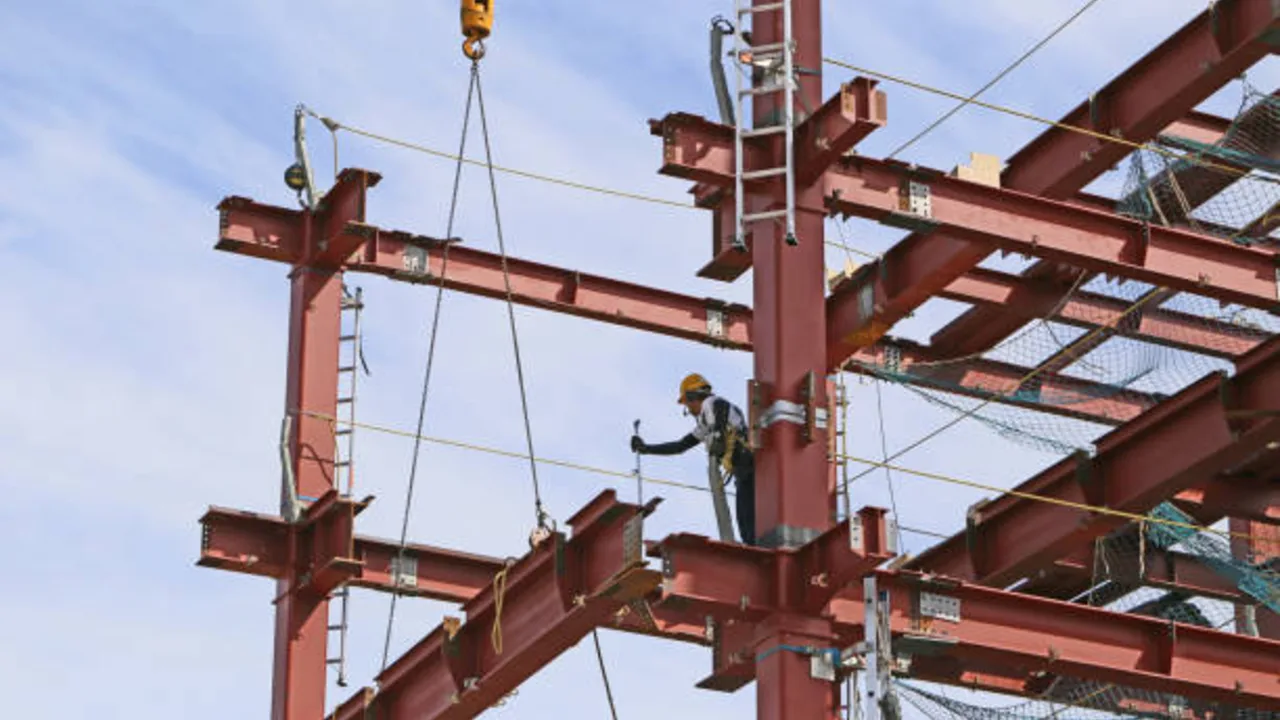
Despite these advantages, the journey toward a fully digital steel industry is not without obstacles. The cost of implementing advanced hardware, software, and training programs can be prohibitive for small to mid-sized enterprises. Moreover, the lack of unified data standards often creates compatibility issues between design tools and production platforms.
Key Barriers
- High Initial Investment: Advanced automation and AI systems require substantial capital expenditure.
- Skill Gap: The need for engineers skilled in data analytics, robotics, and BIM outpaces the current labor supply.
- Data Integration: Many companies struggle to synchronize design, production, and logistics systems under one digital framework.
- Cultural Resistance: Traditional management practices can slow the adoption of digital tools and methodologies.
To overcome these barriers, Chinese universities and training centers are expanding their focus on “digital construction engineering,” while the government incentivizes innovation through tax breaks and smart manufacturing subsidies.
Future Outlook: The Next Era of Steel Structure China
Looking forward, the future of steel structure china lies in deep digital integration — where artificial intelligence, 3D printing, and real-time analytics merge into a single, intelligent manufacturing ecosystem. Emerging technologies like digital twins, blockchain traceability, and cloud-based collaboration are expected to redefine how projects are executed from conception to completion.
Imagine a future where digital twins replicate entire steel plants in virtual space, allowing operators to monitor performance, predict maintenance needs, and optimize workflow without interrupting production. Or where blockchain secures data transparency across the supply chain — from material sourcing to end-user delivery. These technologies are not distant visions; pilot projects in China’s major industrial regions are already turning them into reality.
Green and Smart: Sustainability Through Digitalization
Another defining trend is the intersection of digitalization with environmental goals. Smart factories use IoT sensors to monitor energy consumption and emissions, feeding data into cloud platforms that automatically adjust operations for optimal efficiency. The result is a greener, cleaner, and more sustainable version of industrial steel manufacturing.
Combined with renewable energy integration and AI-driven material optimization, steel structure china is moving toward net-zero production targets — aligning with China’s 2060 carbon neutrality commitment.
Global Impact and Collaboration
China’s digital innovation in steel structure manufacturing is influencing industries worldwide. International contractors now look to Chinese firms for prefabricated components, digital design expertise, and turnkey construction services. Partnerships between Chinese manufacturers and global engineering firms are fostering knowledge exchange in automation, robotics, and digital fabrication standards.
This export of technology and know-how is not just a business expansion — it represents a paradigm shift. By leading in both scale and innovation, steel structure china is establishing itself as a central force in the global transition toward smarter, more efficient construction.
Conclusion
The fusion of digital fabrication and smart factories has redefined the foundation of China’s steel structure industry. Through technological leadership, integrated data systems, and sustainable design practices, steel structure china is transforming from a traditional manufacturing base into a digital powerhouse that influences construction worldwide.
As technology continues to advance, China’s digital revolution in steel structures will only accelerate — setting a global standard for precision, sustainability, and innovation in modern building systems.
For more details about related concepts such as Building Information Modeling (BIM), visit the Building Information Modeling page on Wikipedia.