
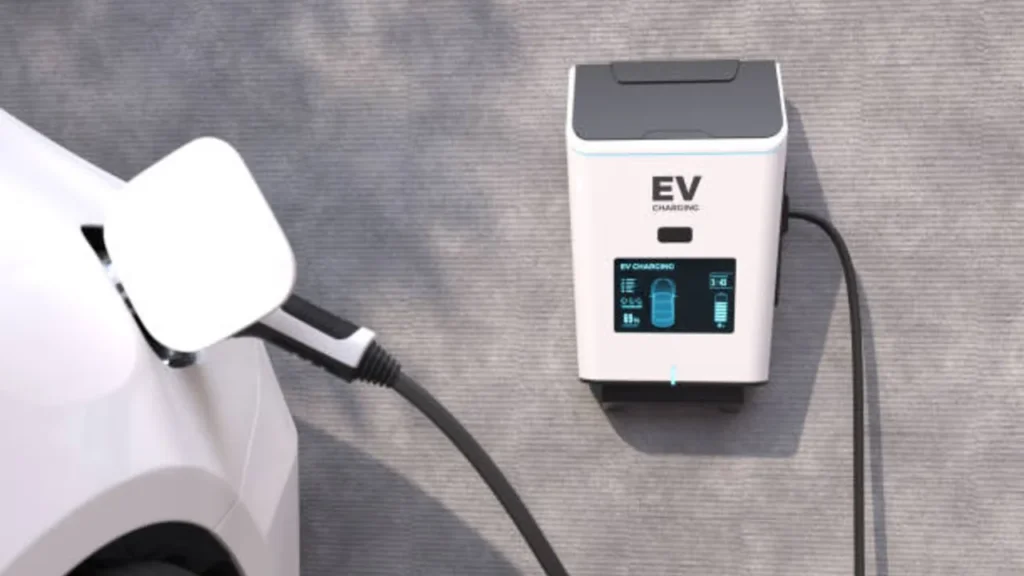

The Indonesian government is currently finalizing a strategic roadmap to accelerate the national energy transition through aggressive fiscal policies. The primary focus is the upcoming launch of a new electric vehicle (EV) incentives framework designed to reduce dependence on fossil fuel imports and alleviate the mounting burden of energy subsidies.
This policy shift comes amidst volatile global crude oil prices and an urgent need to bolster the domestic manufacturing industry.
Targets and Incentive Schemes for June 2026
The government aims to initiate this significant stimulus package by June 2026, with the following initial quotas under discussion:
-
Four-Wheeled Vehicle Quota: The program targets an initial distribution of incentives for 100,000 electric cars.
-
Two-Wheeled Vehicle Quota: The government has set a target of 100,000 electric motorcycles.
-
Motorcycle Subsidy Amount: Support for electric motorcycles is estimated at approximately 5 million rupiah (roughly $287) per unit.
-
VAT Incentives: Proposed schemes include Value-Added Tax (VAT) incentives ranging from 40% to 100% for eligible electric vehicles.
Finance Minister Purbaya Yudhi Sadewa stated that the electric vehicle (EV) incentives program will be expanded once these initial quotas are met.
Economic Impact: Trillions in Potential Savings
The implementation of electric vehicle (EV) incentives is not merely an environmental effort but a tool for national economic recovery. According to government projections:
-
Reduction in Fuel Imports: Widespread adoption of EVs is predicted to save up to 49 trillion rupiah in fuel import costs annually.
-
Subsidy Efficiency: The fuel subsidy budget could be slashed by approximately 18.3 trillion rupiah per year if migration targets are achieved.
-
Industrial Resilience: These incentives are positioned as a strategic tool to protect the workforce and strengthen the domestic manufacturing ecosystem against global economic pressures.
Regulatory Challenges and Tax Decentralization
The new push in June also seeks to regain market momentum following regulatory uncertainty in April 2026. During that period, the central government scrapped nationwide EV tax exemptions, shifting authority to regional governments.
This decentralization led to varying tax rates across provinces, which was feared to dampen consumer demand. Consequently, the upcoming national electric vehicle (EV) incentives are expected to provide more uniform and robust support across the country.
With the launch of these incentives in June 2026, Indonesia is sending a clear signal to investors and consumers that the future of national transportation is electric. By optimizing electric vehicle (EV) incentives, the government aims not only to improve air quality in major cities but also to create a healthier and more independent national budget, free from heavy reliance on foreign energy.