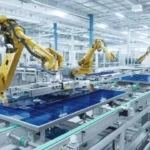
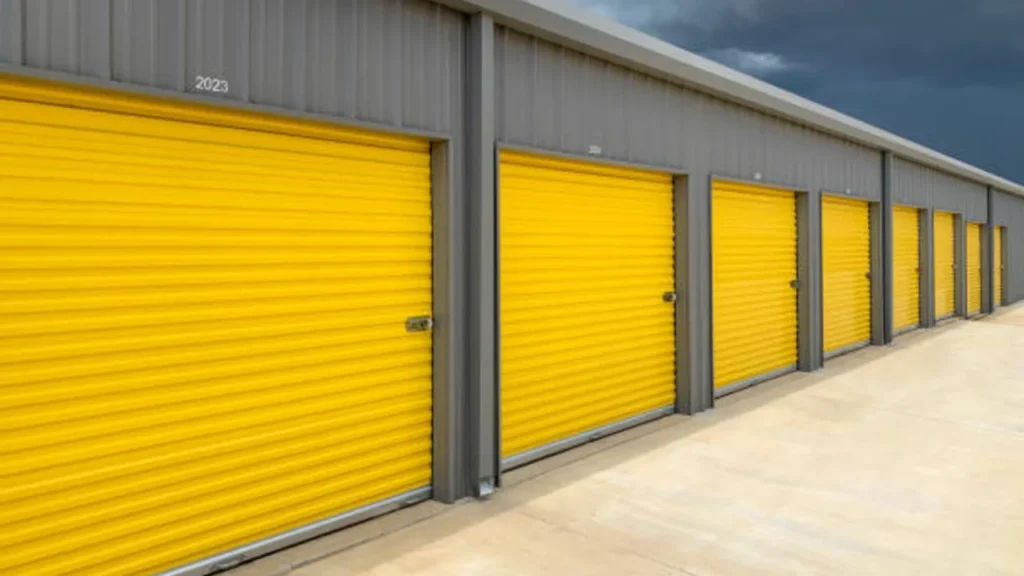

In today’s competitive manufacturing landscape, companies are under immense pressure to streamline operations, reduce costs, and maximize efficiency. The evolution of industrial design has led to a new generation of steel structure warehouse facilities that combine both production and storage capabilities in a single, adaptable environment. These hybrid buildings are redefining how manufacturers approach logistics and flexible production in the modern era.
The Rise of Hybrid Industrial Facilities
Industrial land costs, global supply chain disruptions, and increasing demand for rapid delivery are pushing industries toward integrated solutions. The concept of a hybrid warehouse—where production lines and storage spaces coexist—allows businesses to make the most of every square meter. In this context, a steel structure warehouse becomes a perfect match for flexibility, cost-efficiency, and future scalability.
Unlike traditional reinforced-concrete buildings, steel structures can be erected faster, support longer spans without interior columns, and offer remarkable design adaptability. This means manufacturers can reconfigure their production areas or expand storage zones without major reconstruction—an essential advantage for industries facing fluctuating demand or product diversification.
Understanding the Steel Structure Warehouse Concept
A steel structure warehouse is a building framework made primarily from structural steel components such as beams, columns, trusses, and purlins. The design provides exceptional strength, large clear spans, and resistance to environmental loads. These characteristics make steel the preferred material for hybrid facilities that must accommodate both heavy machinery and extensive storage racks.
| Aspect | Concrete Warehouse | Steel Structure Warehouse |
|---|---|---|
| Construction Speed | Slow (Months) | Fast (Weeks) |
| Flexibility | Rigid, Hard to Modify | Highly Flexible, Modular |
| Span Capacity | Limited | Wide Clear Span |
| Cost Efficiency | Higher Material and Labor Cost | Lower Lifecycle Cost |
The Shift Toward Hybrid Production-Storage Models
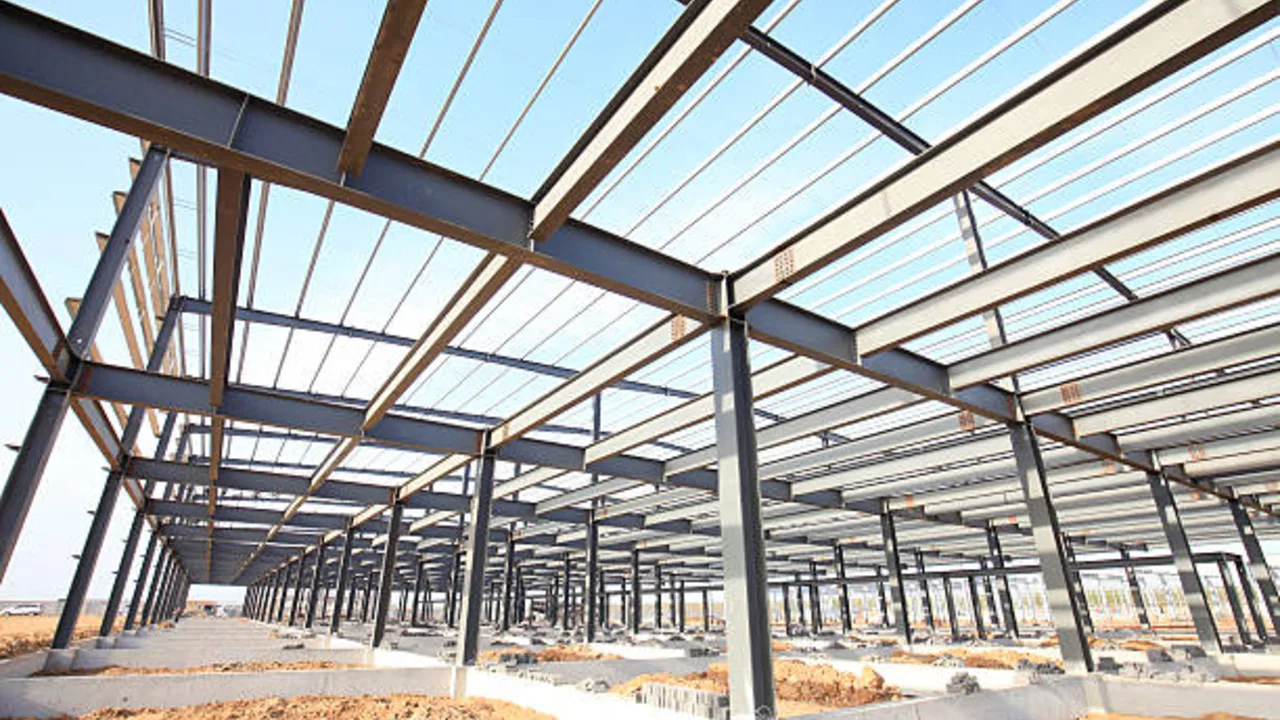
In the past, factories and warehouses operated as two separate entities—production facilities focused on manufacturing processes, while warehouses handled storage and distribution. Today, the lines are blurring. Companies are increasingly adopting the hybrid production-storage model to streamline operations and reduce transportation between sites.
For instance, an electronics manufacturer might locate its assembly lines and finished-goods warehouse within the same steel structure warehouse, optimizing internal logistics and reducing downtime. Similarly, automotive suppliers and fast-moving consumer goods (FMCG) producers leverage integrated facilities to synchronize production with order fulfillment.
The result is improved efficiency, lower handling costs, and enhanced coordination between manufacturing and distribution. These benefits are magnified when supported by a structural system that allows space reconfiguration and vertical expansion—key traits of a steel framework.
Engineering and Design Considerations
Designing a hybrid steel structure warehouse requires a holistic approach that considers load-bearing capacity, workflow layout, ventilation, and fire safety. The facility must support diverse functions—from light manufacturing to pallet storage and shipping.
- Clear-span design: eliminates interior columns, enabling smooth movement of goods and production equipment.
- Integrated mezzanines: create additional floor space for offices or light assembly.
- Overhead cranes: support heavy material handling for production lines.
- Ventilation systems: maintain safe working conditions in combined production-storage zones.
Furthermore, the use of prefabricated steel components allows quick assembly and ensures high precision. This modularity enhances the facility’s ability to adapt over time—one of the most crucial aspects of flexible production.
Logistics Optimization Through Steel Structure Design
An efficient warehouse design must prioritize the flow of materials and information. Within a steel structure warehouse, logistics pathways can be engineered to reduce congestion and minimize handling time. The open-plan layout simplifies the integration of automated guided vehicles (AGVs), conveyor systems, and smart inventory management tools.
For example, raw materials can be delivered directly to adjacent production zones, while finished goods are automatically transferred to the dispatch area. By combining structural flexibility with automation, manufacturers can achieve real-time control over their logistics operations and respond faster to market fluctuations.
Example of an Optimized Layout
- Front Section – Loading docks and reception area for inbound logistics.
- Central Zone – Production lines or assembly workstations.
- Rear Section – Automated storage and retrieval systems (ASRS) for finished goods.
- Side Corridors – Pathways for forklifts, conveyors, or AGVs ensuring seamless flow.
This flow-centric approach demonstrates how steel-based structures empower industries to merge manufacturing and warehousing without functional compromises.
Flexibility and Scalability in Hybrid Facilities
One of the most defining characteristics of a steel structure warehouse is its inherent flexibility. Unlike conventional concrete buildings, steel frames can be expanded, modified, or even relocated with minimal effort. This makes them ideal for dynamic industries where production volumes and logistics requirements evolve constantly.
Manufacturers can easily integrate new production lines, reconfigure interior spaces, or add mezzanine levels without disrupting daily operations. The modular nature of steel buildings enables quick adaptation to new technologies or product types—a crucial advantage in flexible production environments.
Furthermore, scalability is not just horizontal. Multi-story steel structures are increasingly popular, allowing vertical expansion in areas with limited land availability. By stacking production and storage levels, businesses maximize space efficiency while maintaining safety and structural integrity.
Modular Expansion in Practice
- Phase 1: Initial construction with dedicated production area and compact storage zone.
- Phase 2: Addition of extended warehouse space using pre-engineered steel modules.
- Phase 3: Installation of overhead bridge cranes and second-floor mezzanine for assembly or packaging.
This phased approach allows companies to grow gradually while maintaining uninterrupted production and smooth logistics flow.
Sustainability and Cost Efficiency
Sustainability is no longer optional in modern manufacturing—it’s a necessity. A steel structure warehouse contributes to environmental responsibility by reducing material waste, energy consumption, and long-term maintenance costs. Since most steel is recyclable, these buildings can achieve green certifications such as LEED or ISO 14001.
Prefabrication minimizes on-site emissions, dust, and noise pollution. The precise manufacturing of steel components ensures perfect fitment and less waste compared to traditional methods. Additionally, insulated roof and wall panels improve thermal performance, reducing HVAC energy demand for both production and storage areas.
| Lifecycle Cost Comparison | Concrete Facility | Steel Structure Warehouse |
|---|---|---|
| Initial Construction | High labor cost | Moderate (prefabricated components) |
| Maintenance | Frequent, expensive repairs | Low maintenance, durable coating |
| Energy Efficiency | Average | High (reflective roofing, insulation) |
| Recyclability | Low | Over 90% |
From an operational standpoint, the steel framework allows easier installation of renewable energy systems, such as rooftop solar panels, which further reduces costs and supports sustainable logistics operations.
Case Studies: Successful Hybrid Steel Warehouses
Across the globe, numerous companies are demonstrating the power of hybrid production-storage designs. In Europe, a leading automotive supplier transformed its traditional warehouse into a hybrid hub with production lines located directly above the logistics area. The steel structure supported heavy vibration loads and high-clearance cranes, all while maintaining optimal workflow efficiency.
In Southeast Asia, manufacturers are increasingly turning to partners like steel structure warehouse experts from XTD Steel Structure. The company designs and constructs fully customized hybrid facilities that integrate manufacturing, storage, and distribution under one roof. These projects combine high load-bearing steel frames, modular extensions, and optimized layouts that significantly enhance logistics and workflow synchronization.
XTD’s projects in China and abroad demonstrate how innovation in steel design shortens construction time while improving long-term adaptability. From textile factories to heavy-equipment assembly plants, their hybrid solutions reduce lead time, improve production turnover, and cut operational costs.
Challenges and Best Practices
Despite the advantages, developing a hybrid steel structure warehouse requires careful planning. The dual-use nature introduces challenges related to load management, noise control, and fire protection. Engineers must balance production vibrations with sensitive storage requirements, ensuring stability and safety across zones.
Common Challenges
- Structural vibrations: caused by machinery operations can affect storage stability.
- Temperature control: balancing climate needs between production and warehouse sections.
- Fire safety: requires specialized coatings and compartmentalization.
- Traffic management: coordination between material flow and personnel movement.
Best Practices
- Engage early with structural and logistics engineers to ensure efficient workflow design.
- Utilize Building Information Modeling (BIM) for coordination across design and construction teams.
- Incorporate energy-efficient lighting and ventilation for operational cost savings.
- Design modular zones that can be adapted or repurposed without disrupting ongoing operations.
By following these principles, companies can create a long-lasting facility that supports both current and future operational needs.
Future Outlook: Next-Generation Industrial Warehousing
Looking ahead, hybrid steel structure warehouse models are set to evolve even further. The integration of automation, Internet of Things (IoT), and artificial intelligence (AI) is transforming how factories manage both production and logistics. Smart sensors monitor temperature, load, and vibration, providing real-time feedback for predictive maintenance and safety assurance.
Future warehouses will feature robotic inventory systems, autonomous delivery vehicles, and cloud-connected production lines—all supported by strong, flexible steel frameworks. As industries prioritize agility and sustainability, the role of steel structures in hybrid manufacturing ecosystems will only become more critical.
In essence, the steel structure warehouse is not just a building—it’s a strategic infrastructure investment that drives industrial efficiency, environmental responsibility, and competitive advantage. Whether for heavy manufacturing or precision assembly, these hybrid solutions embody the future of smart, integrated production and storage design.
Conclusion
The convergence of flexible production and logistics within a single facility marks a new era in industrial evolution. The steel structure warehouse provides the perfect foundation for this transformation—offering unmatched versatility, speed, and sustainability. As global supply chains demand faster, greener, and more efficient operations, adopting hybrid warehouse models will no longer be an option but a necessity for manufacturers worldwide.
For a deeper understanding of how warehouse design integrates with modern supply chain management, visit the Warehouse Management System page on Wikipedia.