
As the world moves deeper into the decade, manufacturing challenges 2026 have become a defining concern for every industry, from energy to electronics. The rapid pace of technological transformation, geopolitical instability, and the lingering effects of global inflation are reshaping how companies operate, source materials, and manage costs. Manufacturers are under increasing pressure to balance efficiency, sustainability, and resilience in an era where disruption is the new normal.
The Shifting Global Manufacturing Landscape
Over the past decade, globalization fueled massive industrial growth and global supply chains that connected every corner of the planet. However, 2026 marks a turning point. The manufacturing world is witnessing a strategic shift toward regionalization and “friend-shoring,” where companies prioritize politically aligned or geographically closer partners to mitigate risk.
Major economies such as the United States and members of the European Union are investing heavily in reshoring production, particularly in critical sectors such as semiconductors, batteries, and raw materials. Meanwhile, Asia continues to dominate mass production, but rising labor costs and stricter environmental regulations are pushing many manufacturers to diversify.
This transition is not only logistical—it’s strategic. It forces manufacturers to rethink how they allocate capital, manage inventory, and design flexible supply networks. Those who adapt quickly can benefit from greater control and reduced transportation risks, while those who remain dependent on outdated systems may struggle to remain competitive.
Economic Pressures and Rising Inflation
One of the most persistent manufacturing challenges 2026 is the continued pressure from inflation. The post-pandemic recovery initially triggered a global spending surge, but as energy costs, interest rates, and logistics expenses soared, inflation became embedded in the cost structures of manufacturers worldwide.
In developed economies, high wages and volatile raw material prices are squeezing margins. Emerging economies face their own battles with currency depreciation and rising import costs. Inflation directly affects equipment investments, factory expansion plans, and procurement strategies. Many companies now focus on hedging strategies, long-term supplier contracts, and digital forecasting tools to manage volatility.
| Region | Average Inflation Rate (2023–2026) | Impact on Manufacturing |
|---|---|---|
| United States | 4.2% | Rising labor and energy costs |
| European Union | 3.9% | Stronger ESG and regulatory compliance expenses |
| China | 2.7% | Moderate inflation but high logistics volatility |
| Emerging Asia | 5.5% | Currency fluctuations and import dependency |
Raw Materials and Supply Chain Volatility
Another critical area of concern is the shortage and price fluctuation of raw materials. The steel, semiconductor, and battery industries have all been hit by a mix of geopolitical tension and supply chain bottlenecks. The war in Eastern Europe and export restrictions on key commodities like lithium, nickel, and rare earth metals have exposed vulnerabilities that were once ignored.
Manufacturers that relied on just-in-time (JIT) systems are now shifting toward just-in-case (JIC) models, increasing inventory levels and diversifying supplier bases. However, this transition comes with higher storage and financing costs, compounding the inflation problem.
To address these pressures, governments and private firms are investing in material recycling, alternative resource development, and advanced material engineering. The rise of circular economy models—where materials are reused or repurposed—could offer some relief in the long run.
For a deeper understanding of global supply networks, you can explore more about supply chain systems, which remain at the core of manufacturing resilience.
Energy Costs and the Green Transition
The industrial sector remains one of the world’s largest energy consumers, and in 2026, energy price volatility continues to pose a massive threat. Transitioning to renewable energy sources adds complexity. Many factories are still powered by fossil fuels due to their lower short-term cost and consistent availability, but global sustainability goals are tightening regulations and incentivizing a greener shift.
The “green manufacturing” trend is no longer optional. Carbon-neutral targets set by governments and international organizations mean that companies must invest in clean technology, waste heat recovery systems, and energy-efficient machinery. Yet, these transitions require significant capital expenditure, and smaller manufacturers often lack the resources to comply quickly.
In some regions, energy price spikes have forced production slowdowns, especially in steelmaking, cement, and chemical industries. To counteract this, manufacturers are exploring hybrid solutions—combining renewable energy with traditional grids—and adopting real-time energy management software to optimize consumption.
Technological Adaptation and Automation
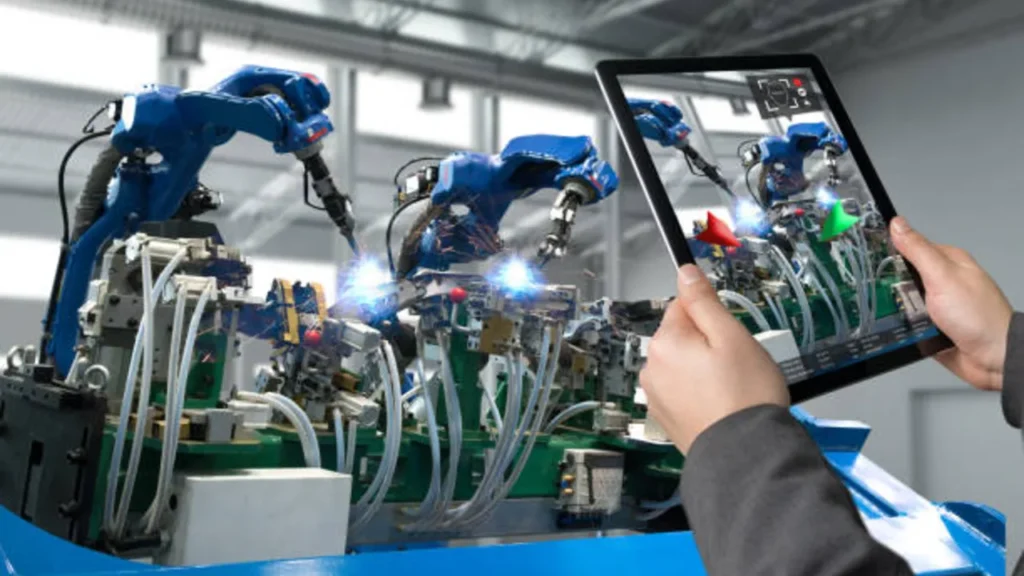
Technology remains both a solution and a challenge in the evolving manufacturing landscape. Artificial intelligence, robotics, and digital twin technologies are revolutionizing production efficiency but also increasing upfront costs and cybersecurity risks. Companies that fail to adapt risk falling behind more agile competitors.
By 2026, smart factories will represent a significant share of global output. These facilities integrate sensors, cloud computing, and machine learning to enable predictive maintenance and real-time optimization. However, automation is also reshaping the workforce—reducing demand for low-skill labor while increasing the need for advanced technical expertise.
| Technology | Adoption Level | Primary Benefit |
|---|---|---|
| AI & Machine Learning | High | Predictive analytics, quality control |
| Robotics | Very High | Increased production speed and consistency |
| Digital Twins | Moderate | Virtual modeling of physical assets |
| Blockchain | Emerging | Transparent and traceable supply chains |
The path forward requires a balance between innovation and security. Companies are investing not only in automation but also in data protection infrastructure, as cyber threats targeting industrial systems continue to rise.
Workforce and Skills Shortage
Despite the rise of automation, the manufacturing industry continues to face a severe global workforce shortage. As veteran technicians and engineers retire, younger generations are showing less interest in traditional manufacturing roles. This skills gap is now one of the most urgent manufacturing challenges 2026 across multiple economies.
The demand for workers proficient in robotics, data analytics, and process optimization has skyrocketed. Yet, vocational schools and training programs have struggled to keep pace with technological change. In developing regions, talent migration toward digital and financial sectors further exacerbates the issue, leaving many factories understaffed or forced to rely on foreign labor.
Manufacturers are responding through reskilling initiatives, apprenticeship programs, and partnerships with universities. Global companies such as Siemens, Toyota, and ABB are investing in “learning factories” — hybrid educational environments that simulate real-world production challenges while training employees in AI-driven workflows and sustainable practices.
Additionally, the post-pandemic shift toward remote collaboration has introduced new workforce dynamics. Engineers and designers can now contribute from different continents, but this flexibility demands robust digital infrastructure, data sharing security, and strong management frameworks to ensure productivity across time zones.
Environmental and Regulatory Pressures
The push for sustainability has become another defining factor in global manufacturing. Governments worldwide are tightening environmental regulations, forcing companies to adapt to stricter emissions standards, waste management protocols, and ESG (Environmental, Social, and Governance) reporting requirements. These measures, though essential for long-term ecological balance, add new layers of operational cost and complexity.
In Europe, the Carbon Border Adjustment Mechanism (CBAM) penalizes importers with high-carbon footprints, directly impacting global steel, aluminum, and cement producers. In the U.S., the Inflation Reduction Act encourages domestic green manufacturing through tax credits but requires transparent compliance. Meanwhile, Asian nations like Japan and South Korea are setting aggressive carbon-neutral deadlines that influence supply chains throughout the region.
Manufacturers must now balance production efficiency with environmental responsibility. Sustainable production involves using low-carbon materials, investing in renewable energy, and adopting circular economy principles. Companies that fail to align with these global expectations risk losing international contracts and investor confidence.
Strategic Responses by Global Manufacturers
To survive the complexity of these intertwined challenges — from inflation and raw materials scarcity to workforce transformation — global manufacturers are shifting from reactive to proactive strategies. The year 2026 represents a phase of strategic resilience, where flexibility and innovation define success.
A growing number of companies are adopting “multi-sourcing” models, diversifying suppliers across multiple countries to avoid overdependence on a single region. Others are forming joint ventures to share resources, technology, and market access. For example, European automakers have partnered with Asian battery manufacturers to secure a stable supply of lithium and nickel for electric vehicle production.
Digitization plays an equally critical role. Predictive analytics helps companies anticipate disruptions, while advanced enterprise systems integrate procurement, logistics, and production data into unified dashboards. These technologies enable decision-makers to act faster and minimize downtime caused by global uncertainties.
Another major shift is the rise of localized innovation hubs. Instead of centralizing R&D in one headquarters, multinational manufacturers are establishing regional centers that adapt global technologies to local market needs. This decentralized innovation model fosters agility and ensures compliance with diverse regulatory frameworks.
The Road Ahead — Opportunities Within Challenges
While the landscape of manufacturing challenges 2026 appears daunting, it also brings new opportunities for transformation. Industries that embrace automation, digitalization, and sustainability will likely emerge stronger and more competitive.
The circular economy, in particular, offers a path toward resilience and profitability. By designing products that can be reused, recycled, or remanufactured, companies reduce their dependency on volatile raw materials markets. For example, automotive manufacturers are increasingly investing in closed-loop recycling systems for metals and batteries.
Similarly, additive manufacturing (3D printing) is reshaping production economics. It minimizes waste, enables rapid prototyping, and supports localized manufacturing closer to end consumers. This shift reduces logistics costs and carbon emissions while empowering smaller manufacturers to compete globally.
Sustainability-driven innovation is also creating new business models. “Green steel” production, powered by hydrogen instead of coal, is becoming a benchmark for responsible manufacturing. As governments introduce carbon credits and green financing programs, environmentally conscious firms stand to gain both reputational and financial advantages.
At the same time, companies that prioritize workforce well-being and lifelong learning will build stronger internal cultures and attract top-tier talent. Manufacturing is no longer just about production efficiency—it’s about adaptability, inclusivity, and purpose.
Case Examples: How Leading Industries Adapt
- Automotive Sector: Transitioning to electric vehicles has reshaped global supply chains. Automakers are forging partnerships with energy firms and software developers to integrate battery technology, charging infrastructure, and digital ecosystems.
- Construction and Materials: Manufacturers of steel, glass, and cement are investing in carbon capture technologies and green manufacturing certifications to meet ESG targets.
- Consumer Electronics: Companies like Apple and Samsung are pursuing zero-waste facilities and incorporating recycled materials into their devices to reduce environmental impact.
- Energy Equipment: Heavy industry firms are leveraging modular design and automation to improve efficiency in wind turbine and solar panel production.
Conclusion
The global manufacturing sector stands at a crossroads in 2026. Inflation, energy volatility, and raw materials scarcity continue to test supply chain resilience, while digital transformation and sustainability demands redefine competitiveness. Yet, these same pressures are driving innovation, collaboration, and strategic foresight across industries.
In the years ahead, the winners in global manufacturing will be those that embrace adaptability, digital intelligence, and sustainability as core principles. Whether through AI-driven automation, localized supply chains, or circular material systems, the next wave of industrial progress will belong to those who see challenges as catalysts for reinvention.
Manufacturing challenges 2026 may mark the beginning of a more complex industrial era — but also the dawn of smarter, cleaner, and more resilient global production systems.