
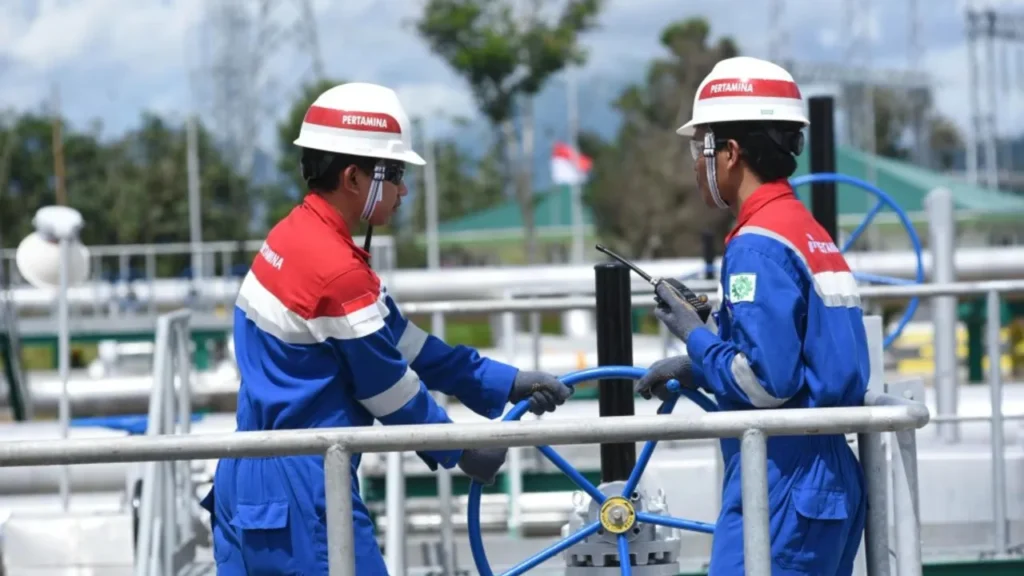

Indonesia’s state-owned energy giant Pertamina has announced a major strategic move to allocate USD 6.2 billion toward expanding its clean energy capacity over the next five years. The investment marks a milestone in the company’s transition from fossil fuels to sustainable energy sources and aligns with Indonesia’s national energy transformation roadmap.
Through its subsidiary, Pertamina New & Renewable Energy (Pertamina NRE), the company has outlined an ambitious goal: achieving 6 gigawatts (GW) of installed clean energy capacity by 2029. This represents a substantial leap from the current 2.6 GW, positioning Pertamina as a leading player in Southeast Asia’s energy transition.
Transforming the Business Toward Renewable Energy
For decades, Pertamina has been synonymous with oil and gas production. Yet as global demand for sustainable and low-carbon solutions accelerates, the company is actively reshaping its portfolio to embrace renewables and energy technologies that support long-term environmental and economic resilience.
The 6 GW clean energy target will be achieved through a balanced mix of gas-to-power projects and renewable sources, including geothermal, solar, and biogas. Gas will continue to play a transitional role in stabilizing Indonesia’s power supply while renewable expansion gradually scales up across the archipelago.
Pertamina NRE’s president director emphasized that the company’s roadmap is built not only around power generation but also on the development of a green ecosystem—integrating hydrogen, biofuel, and carbon markets into a unified clean energy framework. This integrated strategy aims to make Pertamina a regional leader in sustainable energy innovation.
Key Components of the USD 6.2 Billion Clean Energy Investment
1. Expanding Renewable Power Generation (Target 6 GW)
Pertamina’s investment in clean energy generation will focus on scaling up multiple renewable technologies:
- Geothermal energy: Indonesia holds one of the world’s largest geothermal reserves. Pertamina will accelerate exploration and development to provide stable, base-load renewable electricity.
- Solar energy: The company plans to expand both utility-scale solar farms and rooftop solar systems for industrial and commercial users, supporting decentralized power generation.
- Biogas and biomass: Pertamina aims to turn agricultural waste and organic materials into bioenergy, providing clean power while reducing methane emissions and waste.
This multi-source strategy will diversify Indonesia’s renewable energy portfolio, enhance grid resilience, and ensure energy affordability while reducing overall carbon intensity.
2. Developing Clean Hydrogen Production
Clean hydrogen has emerged as a key pillar of Pertamina NRE’s long-term decarbonization plan. The company targets annual production of 7,000 tons of clean hydrogen by 2029, which will be used in industrial processes, transportation, and power generation applications.
Hydrogen’s versatility and zero-carbon combustion make it a cornerstone of Indonesia’s future energy system. Pertamina NRE intends to utilize renewable power and carbon capture technology to produce green and blue hydrogen while developing the infrastructure for storage, distribution, and refueling.
3. Advancing Bioethanol and Biofuel Projects
Pertamina’s bioenergy division aims to produce 840,000 kiloliters of bioethanol by 2029. The bioethanol will be blended into conventional fuels, creating cleaner alternatives for the transport sector and reducing reliance on imported oil.
Beyond reducing emissions, bioethanol development stimulates rural economies by creating new markets for agricultural products such as sugarcane, cassava, and corn. The initiative also supports Indonesia’s national biofuel mandate and strengthens domestic energy security.
4. Building an Electric Vehicle Battery Ecosystem
As Indonesia pushes toward mass adoption of electric mobility, Pertamina is investing heavily in the EV battery supply chain. The company plans to reach a battery production capacity of 51.4 gigawatt-hours (GWh) by 2029.
These investments will encompass battery material processing, cell manufacturing, and recycling facilities. Pertamina NRE is working alongside local and international partners to develop technology transfer, build human resource expertise, and establish Indonesia as a regional EV manufacturing hub.
5. Expanding Carbon Credit and Sustainability Markets
Pertamina NRE also plans to participate in carbon trading as part of its broader sustainability strategy. The company expects to generate and trade up to 19.2 million tons of carbon credits by 2029 through verified emission reduction projects.
By monetizing emission reductions, Pertamina aims to create a new revenue stream that supports further renewable energy investments. Carbon trading also encourages companies across industries to adopt cleaner technologies and meet Indonesia’s national climate commitments.
Alignment with Indonesia’s Energy Transition Goals
Pertamina’s USD 6.2 billion initiative aligns closely with Indonesia’s national goals for renewable energy and carbon neutrality. The government aims to achieve 75% clean energy in the national power mix by 2040 and reach net-zero emissions by 2060.
To support these goals, the Ministry of Energy and Mineral Resources has introduced a framework of incentives for renewable projects, including tax benefits, streamlined permitting, and green financing mechanisms. Pertamina’s clean energy portfolio is expected to play a crucial role in achieving these milestones by mobilizing large-scale capital and expertise into the sector.
Strategic Partnerships and International Collaboration
As part of its transition, Pertamina has established multiple international collaborations with technology providers, development banks, and energy companies. These partnerships are designed to accelerate project execution, attract foreign investment, and enhance technical capabilities in Indonesia’s clean energy sector.
Recent agreements include cooperation on geothermal exploration, hydrogen pilot projects, and electric vehicle battery production with partners from Japan, South Korea, and Europe. Such collaborations not only boost financial capacity but also ensure knowledge transfer for Indonesia’s emerging green industries.
Economic and Environmental Benefits for Indonesia
Pertamina’s clean energy expansion brings both economic and environmental gains to the nation:
- Job creation: Large-scale construction and operation of renewable facilities are expected to generate thousands of new green jobs across Indonesia.
- Technology transfer: Collaborations with foreign partners will accelerate domestic expertise in energy innovation, manufacturing, and sustainability practices.
- Industrial empowerment: Local industries, including agriculture and manufacturing, will benefit from participation in the renewable energy value chain.
- Energy resilience: Diversified energy sources will reduce dependence on imported fossil fuels and strengthen national energy security.
- Climate action: Pertamina’s initiatives contribute directly to reducing greenhouse gas emissions and achieving Indonesia’s Paris Agreement commitments.
Challenges Ahead
Despite strong momentum, Pertamina faces several challenges in implementing its clean energy roadmap. These include financing large-scale projects, navigating complex regulatory frameworks, and ensuring technological readiness in local markets. Moreover, grid integration for intermittent renewables such as solar and wind requires advanced planning and infrastructure upgrades.
Human resource development is another key priority. Pertamina NRE is investing in training programs to equip engineers, technicians, and project managers with the skills needed to operate advanced clean energy systems. Building a skilled workforce is essential to sustaining long-term growth in the renewable energy sector.
Innovation and Digitalization as Growth Drivers
Pertamina NRE is integrating digital technologies such as AI-based monitoring, predictive maintenance, and smart grid analytics into its operations. These innovations will enhance efficiency, reduce downtime, and optimize performance across renewable assets.
The company is also exploring blockchain applications for carbon credit trading and certification, ensuring transparency and trust in emission reduction transactions. Such digital initiatives underscore Pertamina’s shift from being a traditional energy company to a data-driven, technology-enabled clean energy leader.
Long-Term Vision for Sustainable Growth
Pertamina’s transformation into a diversified energy group represents a major step toward sustainable growth and resilience. By expanding into renewables, bioenergy, and green hydrogen, the company is not only supporting Indonesia’s transition agenda but also positioning itself as a global benchmark for energy companies in developing economies.
The clean energy program is expected to attract new investors, stimulate local innovation, and strengthen Indonesia’s leadership in the global energy transition. Pertamina’s strategy demonstrates how traditional oil and gas firms can adapt to new realities through bold investment, collaboration, and technology adoption.
Conclusion
With an investment of USD 6.2 billion, Pertamina NRE is setting the foundation for Indonesia’s clean energy future. The plan to reach 6 GW of renewable capacity by 2029—alongside hydrogen, biofuel, EV battery, and carbon market initiatives—marks one of the most comprehensive energy transition roadmaps in the region.
Pertamina’s commitment highlights Indonesia’s readiness to embrace a low-carbon economy and underscores the vital role of innovation, sustainability, and international collaboration in achieving that vision. As global demand for clean energy accelerates, Pertamina’s leadership could redefine Southeast Asia’s energy landscape and set new standards for industrial transformation.