
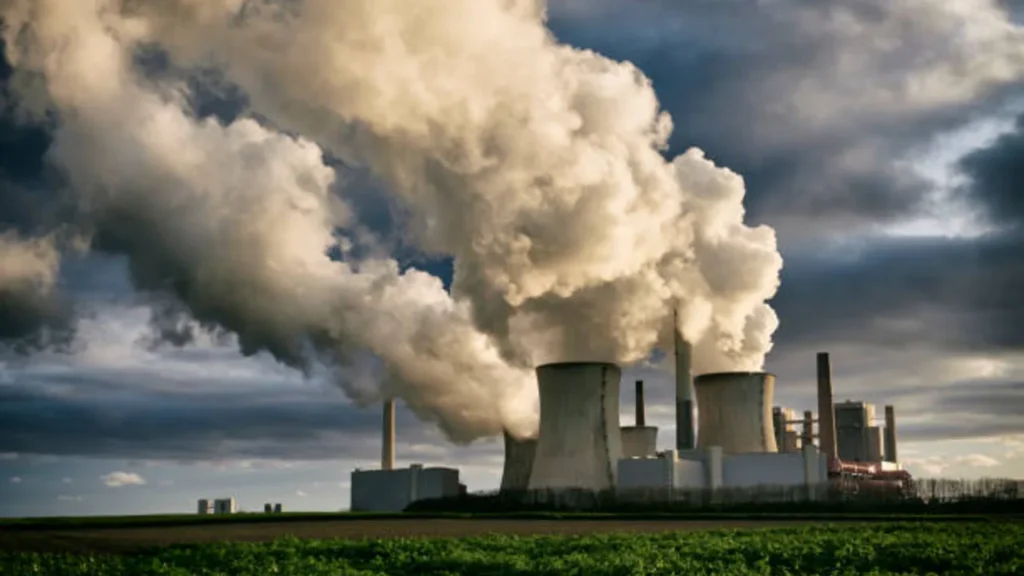

Germany CO2 emissions are expected to record a modest decline in 2025, marking another step in the country’s gradual transition toward a low-carbon economy. Despite stagnant energy demand and mixed signals from industry and consumers, the combination of cleaner energy sources, structural economic shifts, and mild improvements in efficiency is projected to lower emissions by roughly one percent compared with the previous year.
This slight reduction may appear modest, but it reflects the ongoing transformation of Germany’s energy system. The shift toward renewables, decreasing reliance on coal, and the growing use of natural gas and sustainable technologies continue to reshape the national emissions profile.
Energy Demand Stagnation and Its Impact
Germany’s total primary energy consumption in 2025 is expected to remain almost unchanged or decline slightly from the previous year. This stagnation is largely due to weak industrial performance, limited economic growth, and fluctuating energy prices. High energy costs in previous years had already encouraged efficiency improvements and reduced demand, but lower prices in 2025 have slowed this trend.
Weather conditions also play a critical role. Cooler periods early and late in the year increased the need for heating energy, partially offsetting the decline that might have been expected from industrial slowdowns. As a result, the overall energy balance shows little change, even as cleaner fuels take a slightly larger share of total consumption.
Structural Shifts in Energy Consumption
Germany’s energy consumption structure has changed significantly in recent years. The industrial sector, which has historically driven a large portion of energy demand, continues to see a reduction in activity, particularly in heavy industries such as chemicals, metalworking, and cement production. These sectors have faced global competition, higher costs, and a shift toward more energy-efficient production models.
In contrast, the transport and residential sectors have maintained steady energy use. Increased sales of vehicles and continued reliance on oil-based fuels in transport have limited overall declines in fossil fuel consumption. Meanwhile, residential demand has remained stable due to population density, consumer habits, and slower adoption of heat pumps and other low-carbon technologies in older buildings.
The Role of Renewable Energy
Renewable energy continues to expand its contribution to Germany’s total energy mix. In 2025, renewables are estimated to account for over one-fifth of total primary energy consumption. Wind and solar power remain the dominant contributors, supported by hydropower, biomass, and geothermal sources.
The growth of renewable generation has helped offset reductions in coal and oil consumption. Renewable electricity fed into the grid continues to replace fossil-based power, reducing emissions from the energy sector. However, challenges remain in grid integration, storage, and the uneven pace of renewable deployment across regions.
Natural Gas as a Transitional Fuel
Natural gas consumption has increased slightly, reflecting its continued role as a transitional fuel in Germany’s decarbonization pathway. While natural gas emits less CO2 than coal or oil, it still contributes to overall greenhouse gas emissions. The rise in gas use is driven by its application in district heating, industrial processes, and as a backup for intermittent renewable power generation.
Germany’s energy planners view natural gas as a bridge fuel that can support stability and reliability in the energy system while renewable capacity continues to expand. However, future reductions in gas use are expected as hydrogen and other cleaner alternatives become more viable on a larger scale.
Declining Coal Consumption
Coal consumption — both lignite and hard coal — continues to decline steadily. The ongoing phase-out of coal-fired power plants has significantly reduced the share of coal in electricity generation. Policy measures and economic factors, including carbon pricing and the competitiveness of renewable electricity, have made coal increasingly unattractive.
Although some coal plants remain in operation to provide grid stability, the broader trend is clear: Germany’s reliance on coal is diminishing rapidly. This shift has been one of the largest contributors to the steady decline in CO2 emissions over the past decade.
Oil and Transport Emissions
Oil remains the dominant energy source in transport and continues to account for a large share of total energy-related emissions. While electric vehicle adoption is growing, the pace remains insufficient to offset emissions from conventional vehicles. Aviation fuel consumption has also increased due to recovering international travel demand, contributing to a small rise in transport-related emissions.
To address this, Germany is expanding its electric vehicle infrastructure and promoting alternative fuels such as green hydrogen and synthetic fuels. Still, the transition in transport is expected to take longer than in the power sector, given the massive number of vehicles still dependent on combustion engines.
Electricity Imports and Generation Mix
Germany’s electricity imports have fallen as domestic renewable generation capacity continues to rise. The country has become increasingly self-sufficient in power production, with wind and solar providing a growing share of the mix. Natural gas plants and hydroelectric facilities serve as balancing resources to stabilize supply during periods of low renewable output.
This shift has improved Germany’s overall carbon footprint, as a larger portion of electricity is now generated domestically from cleaner sources. However, seasonal fluctuations and transmission bottlenecks continue to pose challenges to maintaining a fully renewable grid.
Energy Efficiency and Policy Targets
Germany’s long-term energy strategy is built on three pillars: expanding renewables, improving energy efficiency, and reducing emissions across all sectors. Under the country’s Energy Efficiency Law, primary energy consumption must be reduced by nearly 40 percent by 2030 compared with 2008 levels. This goal requires coordinated efforts from government, industry, and consumers alike.
Efficiency improvements have already yielded noticeable benefits. Buildings are being retrofitted for better insulation, industrial plants are modernizing machinery, and smart energy management systems are being introduced in both commercial and residential settings. These measures collectively help reduce the energy intensity of the economy.
Industry Transition and Green Innovation
Germany’s industrial transition is one of the most complex elements of its climate strategy. While emissions from power generation have dropped significantly, industrial emissions remain harder to reduce. The deployment of carbon capture and storage (CCS) technologies, hydrogen-based production, and electrification of high-temperature processes are being explored as potential solutions.
Government incentives and funding programs are helping industries experiment with cleaner processes. For example, steel producers are testing hydrogen-based direct reduction methods, and chemical plants are adopting electrified steam cracking technologies. These innovations could play a crucial role in achieving deep decarbonization over the next two decades.
Economic Factors Influencing Emissions
Economic conditions continue to influence energy use and emissions outcomes. In 2025, Germany’s economy is expected to grow modestly, with industrial output remaining below pre-pandemic levels. Sluggish demand in global markets, coupled with structural adjustments in manufacturing, is keeping energy consumption relatively stable.
On the consumer side, lower fuel prices have slowed the decline in motor fuel demand. Meanwhile, strong construction activity has maintained steady demand for heating and building materials. These crosscurrents illustrate the complexity of balancing economic stability with climate goals.
Germany’s Climate Goals and Long-Term Vision
Germany remains committed to achieving climate neutrality by 2045. The country aims to reduce greenhouse gas emissions by at least 65 percent by 2030 compared with 1990 levels. Achieving this requires sustained progress across all major sectors — power generation, industry, transport, and buildings.
The gradual decline in CO2 emissions projected for 2025 indicates that progress continues, but at a pace that must accelerate in the coming years. Major breakthroughs in renewable energy deployment, energy storage, electrification, and carbon capture will be essential to meeting national and EU-level targets.
Challenges Ahead
Despite progress, Germany faces several challenges in its decarbonization journey. The ongoing dependence on natural gas, slow electrification of transport, and delayed energy infrastructure projects are significant obstacles. Furthermore, maintaining affordability for consumers while accelerating the energy transition remains a delicate balancing act.
Grid expansion, renewable permitting processes, and technological integration must all be streamlined to sustain momentum. Coordinated policies at both federal and EU levels will be vital to ensure long-term consistency and investment confidence.
Conclusion
Germany’s projected decline in CO2 emissions for 2025 demonstrates slow but steady progress toward a cleaner energy system. Although overall energy demand remains flat, the growing role of renewables, reduced coal dependence, and gradual industrial transformation are helping the country stay on its decarbonization path.
To achieve deeper emission cuts, Germany must accelerate action in transport, buildings, and industrial sectors while maintaining its leadership in renewable energy innovation. The road to climate neutrality is long and complex, but each year of incremental progress brings the nation closer to its long-term vision of a sustainable, low-carbon future.