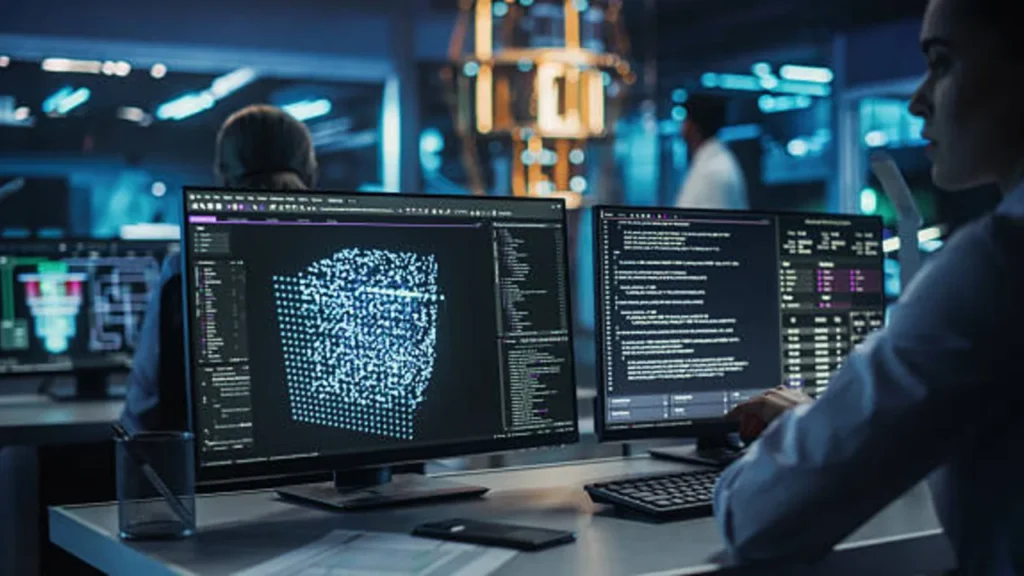

In an increasingly digital world, data centers have become the backbone of modern infrastructure. From cloud computing and AI to streaming platforms and global e-commerce, every digital transaction depends on a network of powerful servers operating 24/7. However, this digital dependency comes with a growing challenge: the rising demand for data center power and the urgent need for energy optimization across the sector. As power consumption climbs to unprecedented levels, managing efficiency, sustainability, and reliability has become a central concern for both operators and policymakers.
Understanding Data Center Power Requirements
A data center power system refers to the total electrical energy required to keep servers, storage, networking devices, and cooling systems running continuously. The typical components consuming electricity include IT equipment (servers, switches, storage devices), cooling systems, lighting, and backup infrastructure such as UPS (Uninterruptible Power Supply) units and generators. Managing these components efficiently is critical to ensuring that data centers maintain uptime while minimizing waste.
One of the most widely used metrics to assess power efficiency is PUE (Power Usage Effectiveness). This ratio measures how efficiently energy is used by computing equipment compared to total facility consumption. A PUE value closer to 1.0 represents a highly efficient facility where most energy directly supports IT workloads rather than ancillary systems like cooling or lighting.
| System Component | Typical Power Share (%) |
|---|---|
| Servers & IT Equipment | 40–45% |
| Cooling Systems | 30–40% |
| Power Distribution & UPS | 10–15% |
| Lighting & Miscellaneous | 5–10% |
This breakdown highlights how cooling systems alone account for nearly half of total energy consumption. Thus, optimizing cooling systems is one of the most effective ways to reduce operational costs and environmental impact.
Key Drivers of Energy Demand in Modern Data Centers
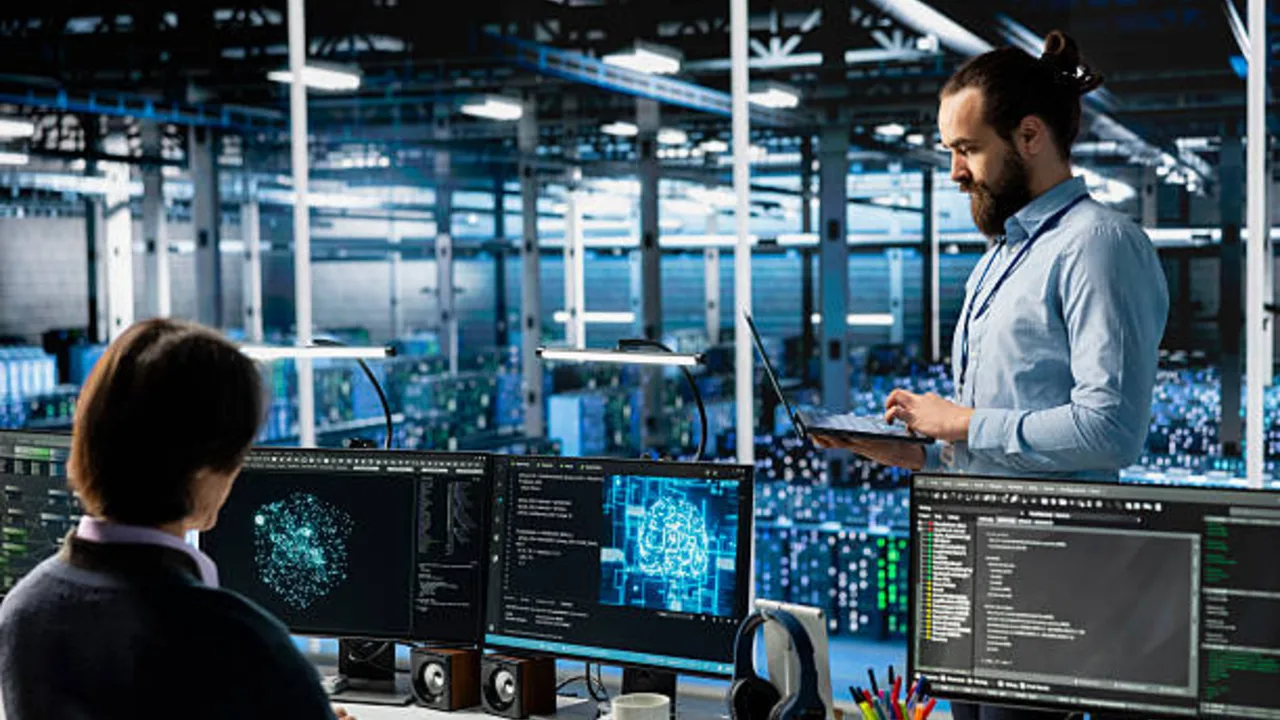
Over the past decade, the surge in AI, big data analytics, and cloud computing has transformed data centers into energy-intensive ecosystems. With billions of connected devices generating and processing information simultaneously, the demand for data center power continues to soar. Several factors contribute to this escalating energy consumption:
- High-Density Computing: Modern processors, GPUs, and AI accelerators require enormous electrical input and generate significant heat, demanding more efficient cooling systems.
- 24/7 Uptime Expectations: Businesses and consumers rely on uninterrupted access to online services, meaning data centers operate non-stop with redundant systems for reliability.
- Legacy Infrastructure: Older data centers lack modern energy optimization designs, leading to higher PUE ratios and inefficiencies.
- Geographic & Climate Factors: Facilities in warmer regions require additional cooling energy compared to those in cooler climates, directly influencing operational costs.
Environmental regulations and sustainability goals are also reshaping how data centers consume and manage energy. Governments and industry groups are encouraging operators to reduce emissions, improve power usage efficiency, and transition toward renewable sources.
Energy Optimization Strategies for Data Centers
To combat the growing energy demand, operators are adopting innovative energy optimization techniques that enhance efficiency and reduce waste. These strategies combine smart monitoring, AI-driven automation, and advanced cooling technologies to create self-regulating energy ecosystems.
1. Continuous Energy Monitoring
Modern data centers deploy intelligent sensors and software to track real-time power consumption. This data-driven approach allows facility managers to identify inefficiencies, prevent overloads, and balance loads more effectively across racks and zones. The integration of predictive analytics enables early detection of performance anomalies before they escalate into costly failures.
2. Advanced Cooling Systems
Traditional air conditioning systems are being replaced with innovative cooling systems such as liquid immersion cooling and free-air cooling. These methods significantly lower electricity use by transferring heat more efficiently. For instance, liquid immersion cooling submerges servers in a thermally conductive liquid, reducing the need for fans and compressors while enhancing thermal management.
Another growing trend is hot aisle/cold aisle containment, which prevents the mixing of hot and cold airflows inside data halls. By maintaining consistent temperature zones, facilities can achieve better energy optimization and prolong equipment lifespan.
3. Renewable Energy Integration
To minimize carbon emissions, many companies are incorporating renewable energy sources such as solar, wind, and hydropower into their data center power grids. Some hyperscale operators even sign long-term Power Purchase Agreements (PPAs) to secure green electricity at predictable prices. This shift not only supports sustainability goals but also mitigates exposure to volatile energy markets.
4. AI and Machine Learning for Energy Efficiency
Artificial intelligence plays a pivotal role in optimizing energy flows and cooling efficiency. By analyzing real-time data, AI systems automatically adjust cooling setpoints, control fan speeds, and redistribute workloads across servers to balance heat generation. Google, for instance, has implemented DeepMind algorithms to reduce its cooling energy consumption by nearly 40%, demonstrating the transformative potential of smart energy management.
These integrated energy optimization solutions are reshaping the global data center landscape. In the next phase, the industry’s focus will increasingly shift toward modular infrastructure and grid-interactive systems, paving the way for sustainable digital growth.
Smart Infrastructure and Power Distribution Management
As data centers scale in capacity, managing data center power requires more intelligent infrastructure. Traditional fixed systems no longer meet the flexibility and responsiveness required for high-performance computing environments. Modern facilities rely on modular UPS units, smart grids, and advanced DCIM (Data Center Infrastructure Management) platforms to achieve precise energy optimization and maximize uptime.
Modular UPS and Power Scalability
Modular Uninterruptible Power Supply (UPS) systems provide flexible redundancy and scalability. Instead of overprovisioning large centralized units, operators can add power modules as demand increases. This approach minimizes idle energy loss and ensures that electricity is allocated exactly where it is needed. Modular designs also simplify maintenance and reduce the risk of single points of failure.
DCIM and Predictive Power Management
Data Center Infrastructure Management (DCIM) software acts as the digital nerve center for data center power oversight. It integrates sensors, power distribution units, and environmental data to deliver real-time insights into performance. Predictive algorithms forecast energy trends, allowing operators to plan load shifts or perform preventive maintenance before any disruption occurs.
Smart Grids and Energy Storage Integration
The next generation of data centers will interact dynamically with smart grids. By integrating battery energy storage systems (BESS), facilities can draw power during off-peak hours and discharge it during peak demand to stabilize loads. This process, known as peak shaving, reduces strain on regional electricity networks while lowering operational costs. In some regions, data centers even sell surplus power back to the grid, creating a circular energy economy.
Sustainability Goals and the Rise of Green Data Centers
Sustainability has become a defining goal for the global technology industry. Operators are not only improving efficiency but also redesigning entire ecosystems around renewable energy and low-carbon materials. Many hyperscale facilities now align with frameworks such as LEED certification and ISO 50001 energy management standards, ensuring that every watt is accounted for and optimized.
Tech giants such as Microsoft, Google, and Amazon have publicly committed to achieving carbon-negative or carbon-neutral operations within the next decade. These commitments include transitioning all data center power to renewable sources, investing in carbon-offset initiatives, and deploying advanced cooling systems that use recycled or non-potable water. For instance, Google’s use of AI-controlled chillers and heat recovery systems has set new efficiency benchmarks for the industry.
Governments are also playing a key role by offering incentives for green construction and renewable integration. The European Union’s “Fit for 55” package and U.S. Department of Energy initiatives both encourage large data-intensive businesses to adopt sustainable building practices and participate in renewable grid programs.
| Initiative | Objective | Impact on Energy Efficiency |
|---|---|---|
| LEED Certification | Promote sustainable design and resource efficiency | Up to 20% energy savings compared to conventional designs |
| ISO 50001 | Systematic approach to continual energy improvement | Enhanced monitoring and reduced waste |
| AI-Driven Cooling | Automated adjustment of temperature and airflow | 30–40% reduction in cooling energy |
To understand these advancements in depth, see Green Data Center – Wikipedia, which outlines global standards and innovations in sustainable infrastructure.
Future Outlook: Balancing Performance, Power, and Planet
The future of data center power will depend on striking a balance between performance requirements and environmental responsibility. Emerging technologies such as quantum computing, edge processing, and AI inference engines will further increase power density per rack, making energy optimization even more critical.
Industry experts anticipate wider adoption of immersion cooling and direct-to-chip liquid cooling systems, which can support higher thermal loads without increasing facility PUE. In parallel, renewable microgrids and on-site hydrogen fuel cells are being explored as backup or primary power sources. These systems could make future data centers self-sustaining and resilient against grid disruptions.
Policy development will also play a decisive role. As nations set stricter carbon targets, operators will face pressure to disclose energy metrics, reduce emissions, and invest in circular economy models. Collaborations between energy providers, governments, and technology firms are already producing frameworks for shared energy storage and regional grid balancing.
Conclusion
The evolution of digital infrastructure has brought tremendous opportunities—but it also demands responsible stewardship of our energy resources. The management of data center power now stands at the crossroads of technology, sustainability, and economics. Through advanced energy optimization methods, next-generation cooling systems, and the integration of smart grid technologies, the industry is redefining what efficiency truly means.
Ultimately, the goal is clear: to create data centers that are not only powerful and reliable but also sustainable for future generations. By balancing innovation with environmental awareness, the sector can continue powering the world’s digital transformation—efficiently, intelligently, and responsibly.