
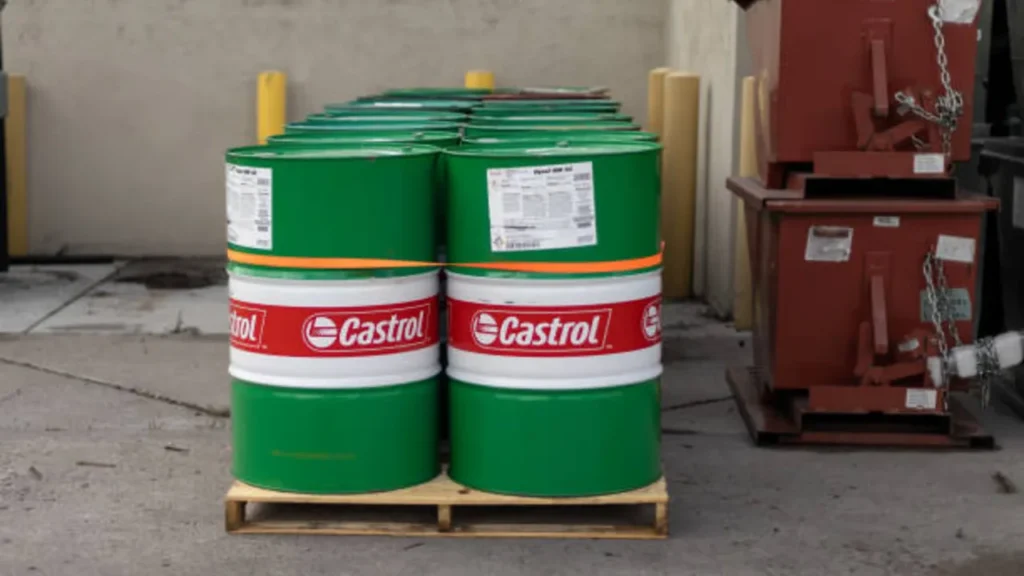

In a landmark corporate move, BP has announced the sale of a 65% stake in its global lubricants business, BP Castrol, to the American investment firm Stonepeak. The transaction, valued at approximately $10 billion, marks one of the most significant portfolio reshuffles in BP’s recent history and underscores a strategic shift toward balance sheet discipline and operational focus.
For more than a century, BP Castrol has been synonymous with high-performance lubricants trusted by millions of motorists, industries, and manufacturers worldwide. This deal represents both an end and a new beginning — a redefinition of how BP positions itself in an evolving global energy market.
The Details Behind the BP Castrol Sale
The deal, announced in December 2025, will transfer 65% ownership of BP Castrol to Stonepeak, while BP retains a 35% minority stake in the restructured joint venture. This transaction values Castrol at around $10 billion and provides BP with an estimated $6 billion in immediate proceeds.
BP plans to use the cash influx primarily to reduce its net debt and reinforce financial stability amid volatile energy markets. With this move, BP also aligns itself with a growing industry trend — major oil and gas firms divesting non-core assets to focus on streamlined, high-margin operations.
What Happens to Castrol After the Deal?
Under the new structure, Stonepeak will take majority control and oversee the long-term strategic direction of the business. BP, while stepping back operationally, will continue to participate financially through its 35% shareholding and maintain a collaborative role in future growth opportunities.
For customers and partners, it’s expected that the BP Castrol brand will remain unchanged. The company will continue to deliver the same product portfolio — automotive oils, industrial lubricants, marine fluids, and advanced greases — under the globally recognized Castrol name.
Why BP Decided to Sell Its Majority Stake
BP’s decision to sell its controlling interest in BP Castrol reflects a broader restructuring plan that the company has been pursuing since the early 2020s. With the global energy transition accelerating and investor pressure mounting for higher capital efficiency, BP has been strategically pruning its portfolio to generate liquidity and refocus on its core upstream and low-carbon businesses.
Several key motivations drove this transaction:
- Debt Reduction: BP has been actively cutting its debt levels since the pandemic era. The proceeds from the BP Castrol sale provide a swift and substantial boost to that effort.
- Portfolio Optimization: The lubricants segment, while profitable, is not considered a core growth engine compared to BP’s refining, energy production, and renewables divisions.
- Refocus on Energy Transition: The sale frees capital for BP’s ongoing investments in hydrogen, biofuels, and carbon capture technologies — key pillars of its long-term sustainability roadmap.
Leadership Commentary
BP’s leadership emphasized that the sale does not signify a retreat from the lubricants business but rather a repositioning. By retaining a 35% stake, BP remains involved in BP Castrol’s success while granting operational control to a partner with a track record in long-term infrastructure and industrial investments.
Executives described the move as “unlocking value from a heritage asset” — monetizing an established, cash-generative business while maintaining upside potential through future growth and dividends.
About Stonepeak: The New Majority Owner
Stonepeak, a New York-based investment firm managing over $65 billion in assets, specializes in infrastructure, energy, and real asset investments. Its acquisition of BP Castrol represents a strategic push into industrial consumer markets with stable, recurring cash flows.
The firm’s investment philosophy centers around acquiring proven businesses with strong brand recognition and global distribution. BP Castrol fits that mold perfectly — a mature yet dynamic enterprise with a presence in more than 120 countries and deep roots in both automotive and industrial markets.
Industry analysts believe that Stonepeak will leverage its capital strength and operational expertise to expand Castrol’s presence in emerging markets such as India, Southeast Asia, and Africa — regions where vehicle ownership and industrial activity continue to grow rapidly.
Stonepeak’s Strategic Outlook
Stonepeak aims to accelerate Castrol’s modernization drive, including digital transformation, advanced production facilities, and sustainability-led product innovation. With electric vehicle adoption rising globally, Castrol has already diversified into EV lubricants, thermal management fluids, and specialized e-transmission oils — areas that align with Stonepeak’s infrastructure and clean-tech investment focus.
In short, Stonepeak views BP Castrol as both a heritage brand and a platform for future-oriented innovation.
What the Deal Means for BP
For BP (british Petroleum), this transaction marks a crucial milestone in its long-term transformation strategy. Since the early 2020s, BP has undergone one of the most ambitious reorganizations in the energy sector — moving from a traditional oil company toward an integrated energy enterprise with diversified revenue streams.
By selling part of BP Castrol, BP gains several strategic advantages:
- Immediate cash flow that strengthens its balance sheet and funds energy transition projects.
- Reduced exposure to downstream volatility, allowing management to focus on core energy production and renewable investments.
- Retention of long-term value through a significant minority interest, preserving upside potential if Castrol’s business expands under new ownership.
In addition, BP’s executives have reiterated that Castrol will remain an essential brand partner within BP’s global ecosystem. The lubricants produced by BP Castrol will continue to support BP’s industrial clients, automotive networks, and commercial fleets.
Market Reactions and Analyst Views
The market response to the sale was mixed but generally positive. BP’s share price rose modestly in the immediate aftermath of the announcement, reflecting investor approval of the company’s renewed focus on financial discipline. Analysts praised BP’s ability to secure strong valuation terms for BP Castrol, given the challenging global macroeconomic environment.
However, some observers expressed concern about the potential long-term revenue loss from divesting a stable and profitable segment. Lubricants have traditionally provided BP with resilient cash flow, even during periods of oil price volatility. Still, the prevailing consensus is that the strategic rationale outweighs short-term earnings dilution.
In India — one of Castrol’s largest markets — shares of Castrol India Limited jumped significantly following the news, as investors anticipated fresh capital investment and renewed growth momentum under Stonepeak’s management.
Understanding Castrol’s Legacy and Global Impact
BP Castrol has long been a jewel in BP’s downstream crown. Founded in 1899, Castrol grew from a pioneering lubricant developer into a household name synonymous with engine performance and reliability. BP acquired the brand in 2000, integrating it into its global network and expanding its product line across automotive, industrial, marine, and energy applications.
Today, Castrol serves clients in over 120 countries and operates manufacturing facilities across multiple continents. Its partnerships span automotive giants, motorsport teams, and heavy industry clients, all relying on Castrol’s technical expertise and innovation-driven product portfolio.
The brand’s research into low-friction and high-efficiency fluids has also supported new frontiers — from electric mobility to renewable energy machinery. As part of Stonepeak’s ownership, BP Castrol is expected to increase R&D spending in sustainable lubricants, eco-friendly packaging, and carbon-neutral operations.
Future Outlook: What’s Next for BP Castrol
The joint venture between BP and Stonepeak is projected to close in 2026, subject to regulatory approval and standard conditions. Once finalized, BP Castrol will operate as an independent entity with strategic oversight from both companies.
Analysts expect several potential developments in the coming years:
- Increased Global Expansion: Greater investment in high-growth regions such as India, China, and the Middle East.
- New Product Lines: Advanced lubricants designed for hybrid and electric vehicles, renewable energy applications, and digital manufacturing equipment.
- Enhanced Operational Efficiency: Upgraded production plants and streamlined supply chains to improve profitability and reduce emissions.
- Stronger Brand Positioning: Continued marketing investment to maintain BP Castrol’s position as a global leader in premium lubricants.
BP’s Long-Term Vision
For BP, the next decade will be defined by disciplined investment and a sharper focus on sustainability. With proceeds from the BP Castrol deal, the company intends to accelerate its transition toward cleaner energy sources, while maintaining profitability in its traditional sectors.
Even after relinquishing majority control, BP retains a vested interest in Castrol’s success. The company stands to benefit not only from dividends but also from the brand’s continued role in strengthening BP’s relationships with automotive and industrial clients worldwide.
Conclusion: A New Era for BP Castrol
The sale of a 65% stake in BP Castrol to Stonepeak is more than a financial transaction — it’s a strategic evolution. It marks BP’s determination to adapt to a rapidly changing energy landscape while allowing Castrol, one of its most enduring brands, to thrive under focused ownership and fresh investment.
With over 120 years of heritage, BP Castrol remains a symbol of engineering excellence and technological innovation. Now, with Stonepeak’s majority backing and BP’s continued minority support, the brand is poised to expand into new markets, develop next-generation products, and maintain its position as one of the world’s most trusted lubricant manufacturers.
For BP, this move represents financial prudence, strategic clarity, and renewed focus on the future. For Castrol, it’s the start of an exciting new chapter — one where legacy meets transformation, and innovation continues to drive performance for decades to come.