
Cities around the world are facing growing demands for sustainable development, modern infrastructure, and smarter construction practices. As urban land becomes increasingly limited, adaptive reuse construction has emerged as one of the most efficient ways to extend the life of old buildings while minimizing environmental impact. Rather than demolishing outdated structures, adaptive reuse construction revitalizes them with upgraded engineering, new functions, and a significantly improved lifespan. Among all the materials available for renovation, steel frameworks stand out as the most effective solution for reinforcing, modernizing, and reconfiguring existing buildings.
Old factories, warehouses, schools, and commercial blocks can be transformed into high-performance spaces with the help of steel reinforcements. By integrating modern steel systems, developers can upgrade structural capacity, improve safety, and adapt interior layouts without lengthy demolition work. As cities shift toward sustainability, adaptive reuse construction continues to gain momentum as a preferred development method—reducing waste, boosting energy efficiency, and preserving architectural heritage.
Understanding Adaptive Reuse Construction
Adaptive reuse construction refers to the process of converting outdated or underutilized buildings into functional modern facilities. Instead of starting from scratch, engineers evaluate the existing structure, identify weaknesses, and implement targeted upgrades to support new uses. This approach is far more sustainable than demolition, drastically lowering material consumption and retaining a building’s original cultural or architectural identity.
Core Principles of Adaptive Reuse
- Preserve existing structural integrity where possible
- Enhance load-bearing capacity using modern reinforcements
- Reduce construction waste compared to full demolition
- Integrate new functional, mechanical, and spatial requirements
- Optimize long-term energy performance
Traditional renovation, however, often struggles to address deep structural issues in older buildings. Material degradation, outdated building systems, and weak layouts can hinder the modernization process. This is why steel frameworks have become a key component in adaptive reuse construction, offering strength, versatility, and engineering precision.
The Role of Steel Frameworks in Building Transformation
Steel has become the backbone of modern retrofit engineering. Its light weight, high strength, and adaptability make it ideal for reinforcing old buildings without overloading the existing foundation. Whether the goal is to add new floors, widen interior spaces, or strengthen seismic performance, steel frameworks provide unmatched flexibility.
Why Steel is the Preferred Material for Reuse Projects
- High strength-to-weight ratio: Steel adds significant load capacity without heavy mass.
- Minimal demolition required: Reinforcements can be added inside or around existing structures.
- Ease of fabrication: Steel can be cut, shaped, and welded off-site for faster installation.
- Long-term durability: Steel resists corrosion, fire, pests, and structural fatigue.
- Design flexibility: Ideal for open-span interiors, loft conversions, and complex layouts.
For example, adding a modern interior skeleton made from steel dramatically improves a building’s strength while allowing wide, column-free spaces. This makes steel an essential part of many adaptive reuse construction upgrades, enabling old structures to meet current building codes and performance standards.
Benefits of Adaptive Reuse Construction with Steel Frameworks
1. Significant Reduction in Project Timelines
Steel components for reuse projects are prefabricated in controlled environments, eliminating unpredictable delays associated with on-site fabrication. Once delivered, they require minimal assembly time, reducing noise, dust, and disruption in dense urban areas. This speed is crucial for commercial retrofits where operational downtime must be minimized.
2. Cost Savings Through Efficient Retrofit Strategies
Adaptive reuse construction reduces or eliminates major expenses such as:
- Full demolition and debris removal
- Foundation reconstruction
- Heavy material waste
- Long-duration labor
Steel frameworks allow engineers to upgrade key structural components directly, reducing project cost while preserving the original exterior or historical façade. Over time, maintenance costs are also lower due to steel’s durability and low life-cycle demands.
3. Increased Architectural Flexibility
Steel reinforces old buildings without limiting future design options. Developers can:
- Add new floors or mezzanines
- Create open interiors for modern use
- Expand rooftop areas
- Introduce cantilever extensions
This flexibility allows adaptive reuse construction to convert outdated spaces into modern residential lofts, creative offices, research labs, retail hubs, and more.
4. Sustainability and Environmental Impact
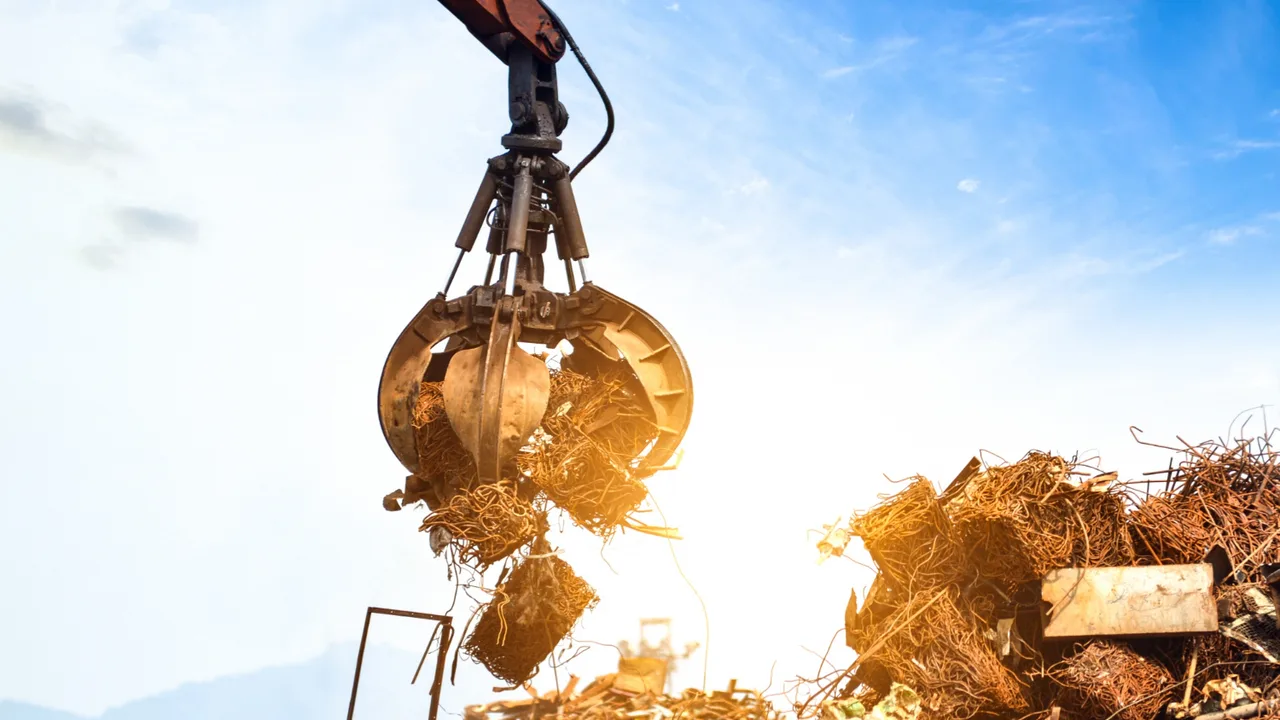
Steel is fully recyclable and can be reused repeatedly without quality loss. By leveraging this material, adaptive reuse construction eliminates unnecessary demolition waste and reduces the carbon footprint of new developments. As global sustainability standards evolve, steel continues to help cities meet green building certifications and long-term environmental goals.
Engineering Methods Used in Steel-Based Adaptive Reuse Construction
Every reuse project begins with a detailed analysis of the existing building, including structural health, load capacity, and foundation stability. Engineers then design a steel framework solution that supplements or replaces weak areas while ensuring compatibility with modern performance requirements.
Structural Assessment & Load Path Redesign
Engineers study how loads currently travel through the building. Then, they introduce steel columns, beams, or trusses to redirect and reinforce these load paths. This technique is essential for:
- Seismic retrofitting
- Vertical expansion
- Open-space interior restructuring
Integration of Steel Into Existing Frameworks
Steel can be welded, bolted, or anchored directly into old concrete or masonry. Common reinforcement methods include:
- Steel jacketing around old columns
- Beam strengthening and replacement
- Addition of diagonal bracing systems
- Composite steel–concrete upgrades
Modular Steel Additions
Prefabricated steel modules allow developers to expand usable space quickly. These modules can serve as new:
- Rooftop floors
- Balconies
- Mezzanines
- External structural wings
These modular systems align perfectly with the goals of adaptive reuse construction, offering scalability and reduced on-site construction risk.
Applications of Adaptive Reuse Construction
Steel framework retrofits are widely used across nearly every industrial, commercial, and public sector due to their exceptional versatility, structural efficiency, and ability to modernize aging buildings without disruptive demolition. As cities push toward sustainability and smarter land use, adaptive reuse construction has become a core strategy for revitalizing old or abandoned structures and turning them into functional modern spaces. The following applications represent some of the most impactful transformations enabled by steel-based retrofit engineering.
Industrial to Commercial Conversions
One of the most common forms of adaptive reuse construction involves converting outdated industrial facilities into vibrant commercial spaces. Older factories, distribution centers, and warehouses often possess high ceilings, open interiors, and strong foundations—making them ideal candidates for modern redevelopment. However, they typically lack the structural reinforcement needed for new mechanical loads, increased occupancy, or upgraded safety standards. Steel frameworks solve these issues by strengthening the building’s core while preserving its industrial character.
Through strategic steel retrofits, old factories and warehouses are transformed into:
- Retail complexes — large floor plates and high ceilings accommodate retail anchors, supermarkets, and shopping hubs.
- Startup offices — open layouts support coworking spaces, tech hubs, and innovation-focused work environments.
- Creative studios — flexible interiors allow adaptation for photography setups, design studios, galleries, and production facilities.
- Innovation labs — reinforced floors and steel-supported mezzanines create spaces for R&D, prototyping, and engineering facilities.
Industrial-to-commercial conversions help cities reuse existing infrastructure while creating a modern economic ecosystem. Steel frameworks make these transformations possible by supporting new service loads, HVAC systems, fire ratings, and architectural redesigns.
Residential Transformations
As urban populations grow, many cities face increasing pressure to expand housing without expanding land consumption. Adaptive reuse construction helps address this challenge by converting old residential or commercial buildings into modern living spaces. Steel frameworks enable engineers to modify interior layouts, increase the number of units, or reinforce aging structures to meet today’s safety and habitability standards.
Common steel-enabled residential conversions include:
- Modern loft apartments — old industrial spaces gain open-plan layouts with exposed steel elements, becoming highly desirable residential properties.
- Co-living residences — steel partitions and mezzanines help developers create efficient, shared living environments.
- Mixed-use buildings — steel retrofits allow for retail or office use on lower floors and housing on upper levels, maximizing property value.
These transformations expand housing options in dense cities and preserve local heritage. Steel’s strength and adaptability enable safe vertical expansions, rooftop additions, and seismic reinforcement—crucial for bringing old structures up to modern building codes.
Cultural & Public Facility Upgrades
Public buildings such as museums, schools, libraries, and community centers often hold historical significance and architectural value. However, their original structural systems may not support modern occupancy demands, new mechanical equipment, or safety requirements. Adaptive reuse construction, powered by steel frameworks, provides a solution that respects heritage while enabling modernization.
Steel’s lightweight strength allows engineers to reinforce walls, roofs, and columns with minimal disruption to the existing architecture. This approach is especially beneficial in cultural preservation projects where maintaining original facades and interior details is essential.
Common upgrades supported by steel include:
- Structural reinforcement to support larger crowds, events, or exhibitions.
- Retrofitted roof systems to accommodate lighting trusses, HVAC units, and energy-efficient insulation.
- New mezzanines or balconies added using steel members to increase usable floor area without overloading foundations.
- Seismic and wind resistance upgrades that protect historically significant buildings while meeting modern codes.
By combining adaptability with minimal invasiveness, steel frameworks ensure that cultural and public buildings remain safe, functional, and relevant for decades to come—without compromising their heritage value.
Future Trends in Adaptive Reuse Construction
The future of reuse relies heavily on evolving steel technologies and digital engineering. Key innovations include:
- Hybrid steel-composite systems
- BIM-driven renovation workflows
- AI-powered structural assessment
- Smart materials for energy retrofitting
Why Developers Prefer Steel Structure Solutions
Steel solutions accelerate project timelines and reduce engineering risk. They also simplify future expansions, making adaptive reuse construction more appealing to developers. Many modern transformations rely on a robust steel structure building foundation to achieve long-term sustainability, flexibility, and ROI.
Conclusion
Adaptive reuse construction is redefining how cities evolve—blending innovation with preservation. By integrating steel frameworks into old buildings, developers unlock new potential for durability, efficiency, and modern architectural expression. As construction continues shifting toward sustainability, steel-enhanced adaptive reuse will remain a cornerstone of future urban development.