
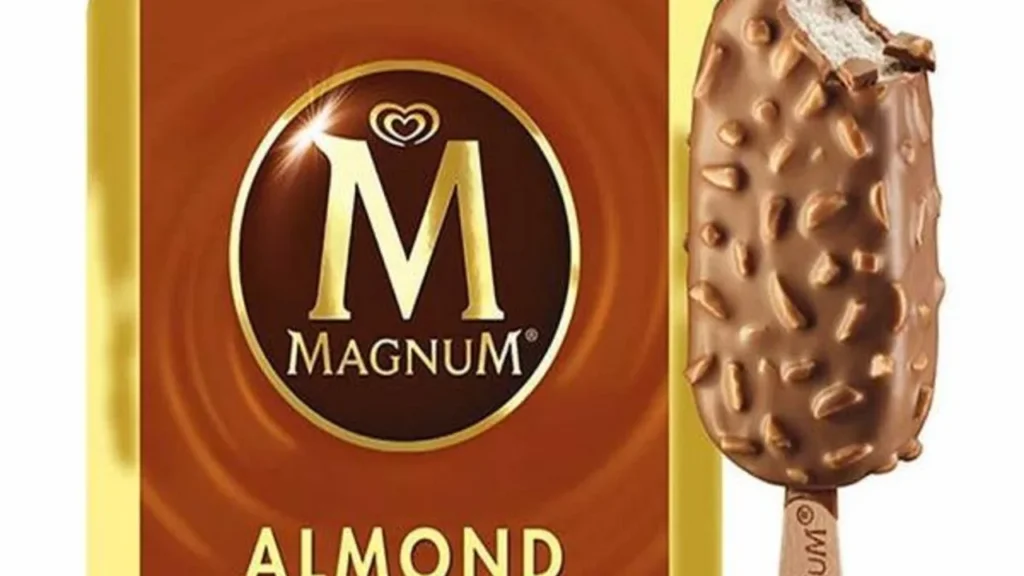

Jakarta, Indonesia — In a strategic corporate move that marks one of Indonesia’s most significant consumer goods transactions of the decade, PT Unilever Indonesia Tbk has officially completed the sale of its ice cream business to PT The Magnum Ice Cream Indonesia. The deal, valued at an impressive Rp7 trillion, underscores Unilever’s broader global restructuring initiative to streamline operations and focus on its core product categories.
Completion of a Landmark Transaction
In an official disclosure submitted to the Indonesia Stock Exchange (IDX) on Monday, December 8, 2025, Unilever Corporate Secretary Padwestiana Kristanti announced that the company had finalized the transaction following months of due diligence and regulatory approvals. “The company has completed the sale of the ice cream business,” Kristanti stated, confirming the conclusion of a process that began with an agreement signed on November 22, 2024.
The transaction, which received full approval from both extraordinary general shareholders and independent shareholders on January 14, 2025, represents a decisive step in Unilever Indonesia’s restructuring plan. The sale included the transfer of production assets, intellectual property rights, and inventory associated with the company’s ice cream operations across Indonesia.
Breakdown of the Rp7 Trillion Valuation
Unilever Indonesia’s sale price of Rp7 trillion—excluding value-added tax (VAT)—was the outcome of a meticulous valuation process. According to the disclosure, the figure encompasses several components:
- Fixed assets valued at Rp2.5 trillion;
- Net book value of Rp1.9 trillion;
- Inventory value of Rp172 billion.
An independent valuation conducted by the Public Appraisal Office Suwendho Rinaldy and Partners determined that the market value of the business was approximately Rp6.5 trillion. Despite this, Unilever Indonesia proceeded with a premium sale price reflecting the brand’s established market position, distribution reach, and customer loyalty within Indonesia’s fast-moving consumer goods (FMCG) sector.
Regulatory Compliance and Shareholder Approval
The sale process strictly adhered to Indonesia’s corporate governance standards. Kristanti emphasized that the transaction had been categorized as a “material transaction” under Financial Services Authority (OJK) regulations, given its scale relative to the company’s equity. “The transaction value represents 204 percent of the company’s equity value as of September 30, 2024, amounting to Rp3.4 trillion,” she noted.
As a result, Unilever Indonesia was required to obtain formal consent from its shareholders before proceeding. The approval was granted during the Extraordinary General Meeting of Shareholders (EGMS) and the Independent Shareholders Meeting, both held in January 2025. These approvals reaffirmed investor confidence in the company’s restructuring agenda and financial prudence.
Part of Unilever’s Global Ice Cream Separation Strategy
The divestment of the ice cream division aligns closely with Unilever Group’s global strategy to separate and reorganize its ice cream operations worldwide. The multinational giant, which owns iconic ice cream brands such as Wall’s, Cornetto, Magnum, and Ben & Jerry’s, has been working to establish greater operational independence for its frozen dessert segment.
By carving out its ice cream business, Unilever aims to streamline management structures, accelerate innovation, and pursue new growth strategies tailored to each regional market. The move also reflects a shift toward portfolio simplification, allowing Unilever to focus on higher-growth segments such as personal care, home care, and nutrition.
The Role of Magnum Ice Cream Indonesia
PT The Magnum Ice Cream Indonesia, the buyer, was previously affiliated with Unilever Indonesia. However, Kristanti clarified that by the time the transaction was finalized, the company no longer held any affiliate relationship with Unilever Indonesia. This ensured full compliance with Indonesia’s fair market and disclosure regulations, eliminating potential conflicts of interest.
The acquisition grants Magnum Ice Cream Indonesia control over production, distribution, and branding rights for Unilever’s ice cream portfolio in Indonesia. Analysts suggest the move positions Magnum to expand its market share in the premium dessert segment while maintaining operational synergy with Unilever’s existing distribution infrastructure.
Financial Impact and Shareholder Value
From a financial perspective, the Rp7 trillion transaction represents a significant windfall for Unilever Indonesia. Kristanti highlighted that the sale “will allow the company to realize the value of its investment in the ice cream business and return that value to shareholders in the short term.”
Industry analysts interpret this as a strong signal of Unilever Indonesia’s commitment to enhancing shareholder returns through disciplined capital allocation. The company is expected to channel a portion of the proceeds toward dividend distributions, debt optimization, and reinvestment into its core product lines—particularly household and personal care categories, which continue to show resilient demand across the Indonesian market.
Strategic Rationale Behind the Sale
Several factors underpin Unilever Indonesia’s decision to divest its ice cream business. Among them are:
- Global Portfolio Restructuring: Unilever’s parent company has been pursuing a multi-year transformation to improve agility and profitability. The global separation of the ice cream business is designed to provide each division more flexibility in investment, innovation, and management.
- Focus on Core Segments: By divesting from ice cream, Unilever Indonesia can intensify its focus on household staples and personal care products—segments that consistently deliver strong margins and stable growth.
- Capital Optimization: The Rp7 trillion proceeds unlock substantial liquidity, strengthening the company’s balance sheet and funding its sustainability and digital transformation initiatives.
Market Reaction and Industry Context
The Indonesian stock market responded positively to the news of the completed sale. Investors viewed the transaction as a prudent move to enhance Unilever Indonesia’s operational efficiency amid rising competition and shifting consumer preferences.
In recent years, the ice cream industry has faced increasing competition from both local producers and international entrants, leading to market fragmentation and pricing pressures. Despite this, Unilever’s ice cream brands—particularly Magnum and Wall’s—have maintained a strong presence in urban centers and modern retail outlets. The sale to a specialized entity like Magnum Ice Cream Indonesia is thus expected to safeguard the brands’ long-term competitiveness while freeing Unilever Indonesia to pursue growth in other sectors.
Broader Implications for Indonesia’s FMCG Industry
This landmark deal could reshape Indonesia’s fast-moving consumer goods (FMCG) landscape. Analysts forecast that other multinational corporations may follow Unilever’s lead in reevaluating local portfolios, focusing on strategic divestments or joint ventures to streamline operations.
For Unilever Indonesia, the divestment marks not a withdrawal but a recalibration of priorities. The company continues to hold leading positions in categories such as personal care (Sunsilk, Lifebuoy, Dove), home care (Rinso, Sunlight), and nutrition (Royco, Bango). These brands remain central to Unilever’s mission of sustainable growth and positive social impact across Indonesian communities.
Next Steps and Future Outlook
Following the sale, Unilever Indonesia is expected to focus on reinforcing its supply chain resilience, digital marketing capabilities, and sustainability commitments. The company has previously announced plans to increase local sourcing, reduce plastic packaging waste, and expand its digital commerce channels to reach Indonesia’s growing online consumer base.
Meanwhile, PT The Magnum Ice Cream Indonesia is projected to pursue aggressive market expansion, potentially introducing new product lines and leveraging the Magnum brand’s global recognition. The company’s independence from Unilever will allow greater operational flexibility, enabling it to respond faster to evolving consumer trends in premium desserts and frozen treats.
Conclusion
The Unilever Indonesia ice cream business sale for Rp7 trillion represents a turning point for both the company and the Indonesian consumer goods market. By completing this transaction, Unilever not only aligns itself with global strategic objectives but also reinforces its financial foundation for long-term growth. For shareholders, the move promises immediate value realization, while for consumers, it ensures continued innovation and quality in the ice cream brands they love.
As Indonesia’s FMCG sector continues to evolve, Unilever Indonesia’s bold restructuring strategy may well set a precedent for how major corporations adapt to changing global and local business landscapes.