


Vietnam tourism has entered a golden era. In January 2026 alone, the country welcomed nearly 2.5 million international visitors — the highest number of monthly arrivals in its history. This unprecedented milestone underscores Vietnam’s rise as one of Asia’s most desirable travel destinations, drawing millions with its blend of cultural depth, natural beauty, and modern comfort.
Experts attribute this remarkable surge to a combination of factors: easier visa rules, better international flight connectivity, and a tourism industry focused on quality experiences. As global travelers look for destinations that balance affordability, authenticity, and adventure, Vietnam tourism stands out as a top choice for 2026.
Record Visitor Numbers Mark a Historic Start to 2026
According to data from the Vietnam National Administration of Tourism, international arrivals jumped by nearly 20% compared to January 2025. The month’s 2.5 million visitors represent a record-breaking figure and highlight strong recovery and confidence in the country’s tourism sector.
Asia remains the largest source of inbound travelers. South Korea, China, and Japan continue to lead, while visitors from India, Europe, and Australia are increasing rapidly. Analysts note that tourists are not only coming in greater numbers but are also staying longer, spending more, and exploring more regions than before — clear indicators of healthy Vietnam tourism growth.
This expansion reflects a maturing tourism industry that’s moving beyond short-term trends toward sustainable, experience-driven travel.
Why International Travelers Are Flocking to Vietnam
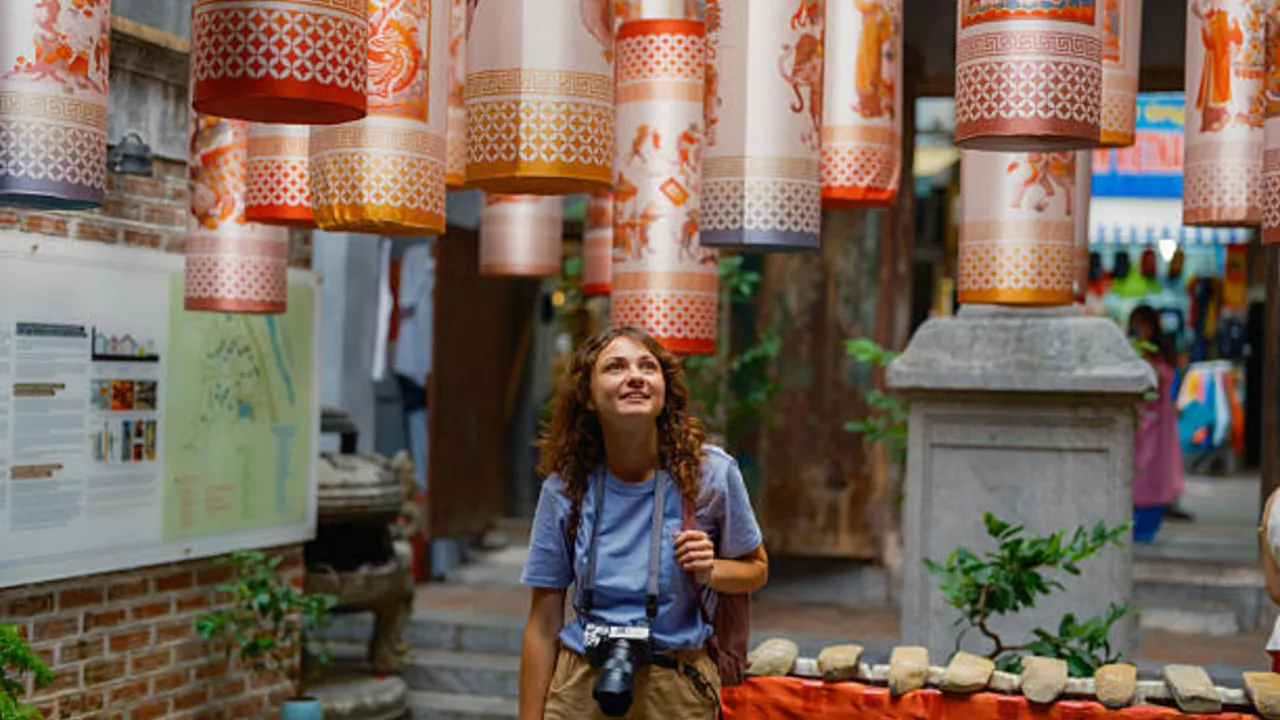
The success of Vietnam tourism rests on three pillars: accessibility, diversity, and value. The government’s proactive approach to simplifying entry — including e-visas and expanded visa exemptions — has made it easier than ever to visit. Meanwhile, airlines have added dozens of new routes linking major hubs in Europe, the Middle East, and North America directly to Hanoi, Ho Chi Minh City, and Da Nang.
What truly sets Vietnam apart, however, is its diversity. Travelers can experience ancient temples, pristine beaches, modern metropolises, and tranquil countryside — all within one trip. Whether it’s the lantern-lit streets of Hoi An, the limestone cliffs of Ha Long Bay, or the golden sands of Phu Quoc Island, Vietnam offers something for everyone.
Affordability remains another strong advantage. Compared to many other Asian destinations, accommodation, dining, and activities in Vietnam deliver exceptional value, allowing travelers to enjoy luxury experiences without high costs. This combination of beauty, access, and value is what makes Vietnam tourism irresistible.
Top Destinations Powering Vietnam Tourism
One of the defining features of Vietnam’s tourism boom is its geographic diversity. The growth is not limited to a few cities — it spans the entire country, from the northern highlands to southern islands.
1. Hanoi – Culture, Heritage, and Timeless Charm
The capital city remains a cornerstone of Vietnam tourism. Visitors stroll through the Old Quarter, admire French colonial architecture, and visit historical landmarks like the Temple of Literature and Ho Chi Minh Mausoleum. Nearby, Ninh Binh and Ha Long Bay offer scenic escapes just a few hours away, blending cultural depth with natural splendor.
2. Ho Chi Minh City – Urban Energy and Modern Vietnam
In contrast, Ho Chi Minh City (Saigon) pulses with modern life. Skyscrapers, rooftop bars, and vibrant markets define the city’s skyline, while cultural stops like the War Remnants Museum and Notre Dame Cathedral provide insight into Vietnam’s history. The city also serves as a gateway to the Mekong Delta, where river cruises offer a glimpse of rural charm.
3. Phu Quoc Island – The Beachfront Jewel of Vietnam Tourism
Phu Quoc has become synonymous with Vietnam tourism’s luxury segment. Its turquoise waters, soft white beaches, and eco-friendly resorts make it one of Southeast Asia’s leading tropical destinations. The island’s growing culinary and diving scenes add another layer of appeal for international visitors seeking both relaxation and adventure.
4. Da Nang and Nha Trang – Central Vietnam’s Coastal Treasures
Da Nang is known for its clean beaches and modern infrastructure. Nearby attractions like Ba Na Hills and the Golden Bridge continue to dominate social media feeds worldwide. Meanwhile, Nha Trang blends coastal charm with lively nightlife, water sports, and wellness retreats — a perfect blend for leisure travelers.
5. Sapa and Ha Giang – Vietnam’s Mountain Escapes
For adventure seekers, northern Vietnam delivers dramatic landscapes and authentic cultural experiences. Sapa’s terraced rice fields and Ha Giang Loop’s winding mountain passes attract photographers and bikers from around the globe. These destinations showcase the raw, untouched beauty of Vietnam tourism beyond its famous beaches.
Tourism Industry Booms Amid Record Influx
The influx of visitors has had a transformative economic impact. Hotels are operating at record occupancy, airlines are adding new flights, and tour companies are expanding packages tailored to niche interests such as adventure travel, gastronomy, and wellness.
Small businesses are thriving too. Local guides, homestays, and street vendors benefit from international tourism’s trickle-down effects, ensuring that the growth of Vietnam tourism supports communities nationwide. Cruise operators have also reported strong demand, with increasing arrivals at coastal ports like Ha Long and Nha Trang.
According to industry reports, tourism now contributes over 9% to Vietnam’s GDP — a figure expected to rise as infrastructure projects and marketing initiatives continue through 2026.
Planning Your Vietnam Trip in 2026
For travelers inspired by the numbers, 2026 offers an ideal time to explore Vietnam. Due to rising demand, early booking is recommended, especially during festivals and national holidays. Domestic transport is convenient — frequent flights, modern highways, and efficient rail networks make it easy to explore multiple regions in one trip.
First-time visitors often combine cultural exploration with leisure. A sample itinerary could include Hanoi and Ha Long Bay in the north, Hue and Da Nang in central Vietnam, and Ho Chi Minh City or Phu Quoc in the south. This mix captures the essence of Vietnam tourism — diversity, balance, and discovery.
Food remains one of the country’s biggest attractions. From pho and bun cha to fresh seafood and street coffee, Vietnamese cuisine offers an unforgettable sensory experience that’s central to every traveler’s journey.
Sustainability: The Future Direction of Vietnam Tourism
Vietnam’s long-term tourism strategy emphasizes sustainability and quality. The government is investing in eco-friendly initiatives, including waste reduction programs and community-based tourism in rural areas. Cities like Hoi An are leading with green policies, while emerging destinations such as Ninh Thuan and Con Dao are developing low-impact resorts.
Infrastructure projects are underway across the country — from airport expansions to smart tourism apps — designed to enhance visitor experience while protecting cultural heritage. By integrating technology and sustainability, Vietnam tourism is setting a new standard for responsible growth in Asia.
Experts predict that by the end of 2026, Vietnam could reach over 18 million foreign arrivals, surpassing pre-pandemic levels and reinforcing its global tourism leadership.
Vietnam Tourism in the Global Context
Vietnam’s success story resonates globally. It reflects the shift in travel preferences toward immersive, value-driven, and culturally rich experiences. As travelers seek destinations that combine authenticity with modern comfort, Vietnam tourism stands at the forefront of this transformation.
Leading travel platforms such as Lonely Planet and National Geographic have listed Vietnam among their top travel picks for 2026 — citing its diversity, affordability, and cultural vitality. This recognition strengthens Vietnam’s reputation as a world-class destination with something for every traveler.
Private investments from hotel brands and airlines continue to pour in, while public initiatives focus on improving safety, accessibility, and digital promotion. Together, these efforts ensure that Vietnam tourism not only thrives in numbers but also delivers quality experiences that keep visitors returning.
Conclusion: Vietnam Tourism Ushers in a New Golden Age
January 2026’s record-breaking figures mark more than just a successful month — they symbolize a new era of growth, innovation, and international recognition for Vietnam tourism. With its captivating landscapes, thriving cities, and warm hospitality, Vietnam is no longer an emerging destination; it is a global favorite.
For travelers, Vietnam offers more than sightseeing — it offers connection. From sunrise over Ha Long Bay to a bowl of street-side noodles in Hanoi, each moment reveals why millions are drawn to this country year after year.
As 2026 unfolds, Vietnam tourism stands as a model of how vision, accessibility, and authenticity can turn a destination into an experience of a lifetime. For anyone planning their next journey, the message is clear: Vietnam is waiting, and there’s never been a better time to explore it.