
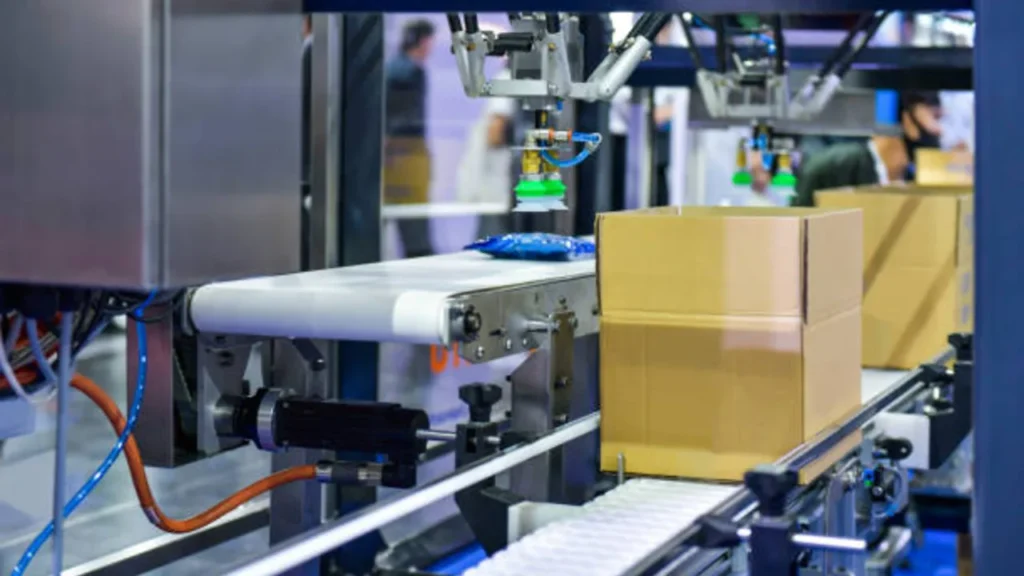

The global manufacturing landscape is changing rapidly as sustainability becomes a key competitive advantage. At the center of this transformation lies closed-loop manufacturing packaging — a model that emphasizes circularity, waste reduction, and material reuse. Major logistics leaders such as DHL are now driving innovation in packaging design to align with circular economy goals and meet global sustainability targets.
What Is Closed-Loop Manufacturing Packaging?
Closed-loop manufacturing packaging refers to a sustainable system in which packaging materials are designed to be reused, recycled, or repurposed indefinitely within the supply chain. Instead of following the traditional “take–make–dispose” model, this approach keeps materials in circulation, extending their life and minimizing environmental impact. It represents a critical step toward the circular economy — a regenerative industrial model that benefits both the environment and the bottom line.
In a closed-loop process, used packaging doesn’t become waste. Instead, it re-enters the production cycle through collection, sorting, and reprocessing systems. Manufacturers can reintroduce recovered materials into new packaging production, reducing dependence on virgin resources and cutting emissions from raw material extraction.
Why Closed-Loop Packaging Is a Game-Changer
Traditional packaging systems generate massive volumes of waste, much of which ends up in landfills or oceans. With rising regulatory pressure and changing consumer expectations, brands are being forced to rethink packaging’s role in sustainability. This is where closed-loop manufacturing packaging offers a practical and measurable solution.
- Environmental impact reduction: Closed-loop systems reduce waste and carbon emissions through material recovery and reuse.
- Cost savings: Companies save on raw materials and transportation by minimizing waste and reusing packaging components.
- Enhanced brand reputation: Consumers increasingly choose brands that demonstrate environmental responsibility.
- Compliance with regulations: Governments are introducing stricter packaging and waste management laws that encourage circular models.
The shift toward circular systems is no longer optional — it’s becoming a core operational strategy across industries, from logistics and food production to e-commerce and retail.
DHL’s Commitment to Sustainable Packaging
DHL, one of the world’s largest logistics companies, has been at the forefront of sustainable innovation. The company’s recent sustainability report highlights how closed-loop manufacturing packaging will shape the future of logistics and supply chain management. DHL envisions a packaging ecosystem driven by three key forces:
- Biodegradable and compostable materials
- Circular packaging systems
- Smart digital packaging technology
1. Biodegradable and Compostable Materials
Biodegradable materials are rapidly replacing conventional plastic packaging. DHL and its partners are experimenting with bio-based plastics, mushroom mycelium composites, and paper pulp molds. These materials not only biodegrade faster but also reduce dependency on fossil fuels. For example, plant-based polylactic acid (PLA) and seaweed-based films are emerging as viable alternatives for flexible packaging.
Another key initiative involves “lightweighting” — designing packaging that uses less material while maintaining structural strength. This innovation lowers both material costs and transportation emissions. Companies using lightweight packaging reduce fuel consumption and improve container space efficiency, contributing directly to carbon reduction goals.
2. Circular Packaging Systems
Circular packaging models form the foundation of closed-loop manufacturing packaging. Rather than discarding boxes, crates, or wraps after one use, these systems enable packaging to circulate multiple times through reuse programs or deposit-return schemes. DHL predicts widespread adoption of such models within the next few years.
For example, companies like Smurfit Westrock are investing in paper-based circular solutions that fully replace plastic shrink wrap with recyclable cardboard designs. Through material recovery and reprocessing, these systems achieve full circularity — a hallmark of closed-loop manufacturing.
The key to success lies in building efficient collection networks. DHL’s logistics infrastructure makes it well-positioned to recover, sort, and transport reusable packaging. By integrating data tracking and smart sensors, packaging materials can be monitored throughout their lifecycle to ensure accountability and traceability.
3. Smart Packaging Technologies
Digital innovation is another major enabler of closed-loop manufacturing packaging. Smart packaging technologies — including QR codes, NFC tags, and embedded sensors — provide real-time data on product condition, material composition, and recycling instructions.
For instance, smart labels can guide consumers on how to properly dispose of or return packaging. Some brands now embed blockchain-based tracking, enabling supply chain transparency and proof of material recovery. This not only enhances recycling efficiency but also builds trust with eco-conscious consumers.
In DHL’s vision, smart packaging will help logistics companies optimize routes, reduce waste, and verify that recovered materials re-enter the system, ensuring a truly circular supply chain.
Economic and Environmental Benefits
The benefits of closed-loop manufacturing packaging extend beyond sustainability — they offer measurable economic advantages. Companies adopting this approach often report:
- Lower operational costs: Reusing materials minimizes procurement spending on virgin resources.
- Improved efficiency: Streamlined reverse logistics and recycling processes reduce waste management costs.
- Market differentiation: Demonstrating sustainability leadership boosts customer loyalty and investor confidence.
Moreover, companies that integrate closed-loop systems can better meet Environmental, Social, and Governance (ESG) requirements — an increasingly important factor in corporate valuation.
Challenges in Implementing Closed-Loop Systems
Despite its promise, adopting closed-loop manufacturing packaging is not without challenges. Establishing circular processes demands coordination between multiple stakeholders, including manufacturers, suppliers, recyclers, and consumers.
Common challenges include:
- Insufficient recycling infrastructure in certain regions.
- Higher upfront investment in material recovery systems.
- Consumer education gaps regarding recycling and packaging return programs.
However, these barriers are being addressed through innovation and collaboration. Partnerships between private industry and government agencies are developing standardized recycling systems and incentives for sustainable packaging adoption. As technology matures, implementation costs will decrease significantly.
Case Study: DHL’s Circular Supply Chain Integration
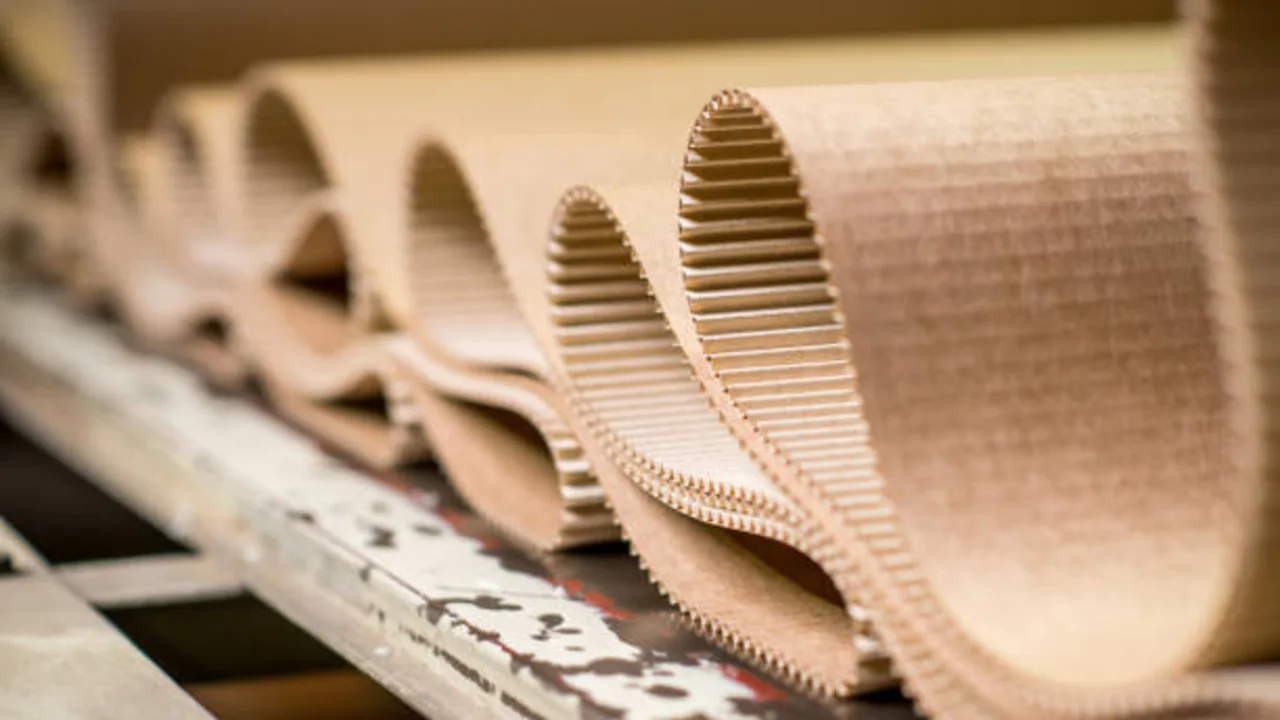
To demonstrate the practicality of closed-loop packaging, DHL has piloted several initiatives that integrate material recovery directly into supply chain operations. By partnering with major consumer goods brands, DHL enables packaging retrieval from end customers, transporting it back to distribution hubs for reuse or recycling.
This approach has reduced packaging waste by up to 40% across some pilot programs. In addition, DHL is investing in digital monitoring tools that trace packaging materials throughout their lifecycle, ensuring that nothing is lost between return and reuse.
For heavy industrial projects, such as steel structure construction, DHL’s model offers inspiration: robust return logistics can minimize waste even in large-scale production environments. Manufacturers that integrate closed-loop concepts can mirror this efficiency in their own material handling and packaging systems.
The Role of Policy and Consumer Behavior
Government regulation plays a vital role in accelerating the adoption of closed-loop manufacturing packaging. In Europe and Asia, extended producer responsibility (EPR) laws require manufacturers to take responsibility for packaging waste. Similar legislation is spreading worldwide, pushing companies to build circular infrastructure and track packaging after sale.
At the same time, consumers are demanding eco-friendly options. Surveys show that over 70% of shoppers prefer brands that use recyclable or reusable packaging. Educating consumers about how to return or dispose of packaging properly is key to maintaining the integrity of closed-loop systems.
What the Future Holds
By 2026, experts predict that most major brands will implement some form of closed-loop manufacturing packaging. Advancements in biodegradable materials, AI-powered waste sorting, and blockchain traceability will make circular systems easier to manage and more cost-effective.
Logistics firms like DHL will continue leading this transition by creating packaging standards that integrate sustainability with operational efficiency. Manufacturers, in turn, must rethink design principles — prioritizing modularity, recyclability, and lightweight construction.
Ultimately, the future of packaging lies in collaboration across the entire supply chain — from design to disposal and back to production. The companies that embrace this model early will not only reduce waste but also position themselves as leaders in sustainable manufacturing.
Conclusion
Closed-loop manufacturing packaging is no longer a futuristic concept — it’s a necessity for industries aiming to meet sustainability and profitability goals simultaneously. By combining biodegradable materials, circular logistics, and smart packaging technology, global manufacturers can dramatically reduce environmental impact and achieve long-term cost savings.
As companies like DHL demonstrate, the path forward is clear: build smarter systems, close the loop, and design packaging that gives back to the planet. The time to act is now — because sustainable packaging is not just better for business; it’s essential for our collective future.


