

The U.S. restaurant industry entered 2025 under immense financial pressure. Rising food costs, labor shortages, and cautious consumer spending triggered a wave of restaurant closures across the nation. Major chains such as Starbucks, Wendy’s, Denny’s, and others began shuttering underperforming locations as they recalibrated for a slower economy and shifting dining trends.
What started as selective downsizing in early 2025 evolved into a widespread restructuring effort by year-end. From casual dining to fast food, no segment of the market was immune. Many brands began referring to 2025 as a “reset year” — a period of contraction designed to restore long-term profitability and operational focus.
Why So Many Restaurants Closed in 2025
The restaurant landscape has always been cyclical, but the challenges of 2025 represented something deeper — a structural shift in how Americans eat, spend, and prioritize convenience. Several key factors contributed to this wave of closures:
- Rising operational costs: Inflation pushed up prices for ingredients, utilities, and wages, eroding profit margins across the industry.
- Consumer caution: After years of economic volatility, consumers cut back on discretionary spending, especially on dine-in meals.
- Overexpansion during boom years: Many brands had grown aggressively in 2021–2023, leaving too many stores competing for fewer customers.
- Digital disruption: Delivery apps and ghost kitchens changed how people ordered food, reducing foot traffic at physical restaurants.
As a result, brands that once relied on large dining rooms and high daily volume began shrinking their footprint to match modern demand. Chains turned to data analytics, focusing on traffic density, drive-thru efficiency, and profitability per square foot rather than total store count.
Starbucks: Reorganizing for the Future
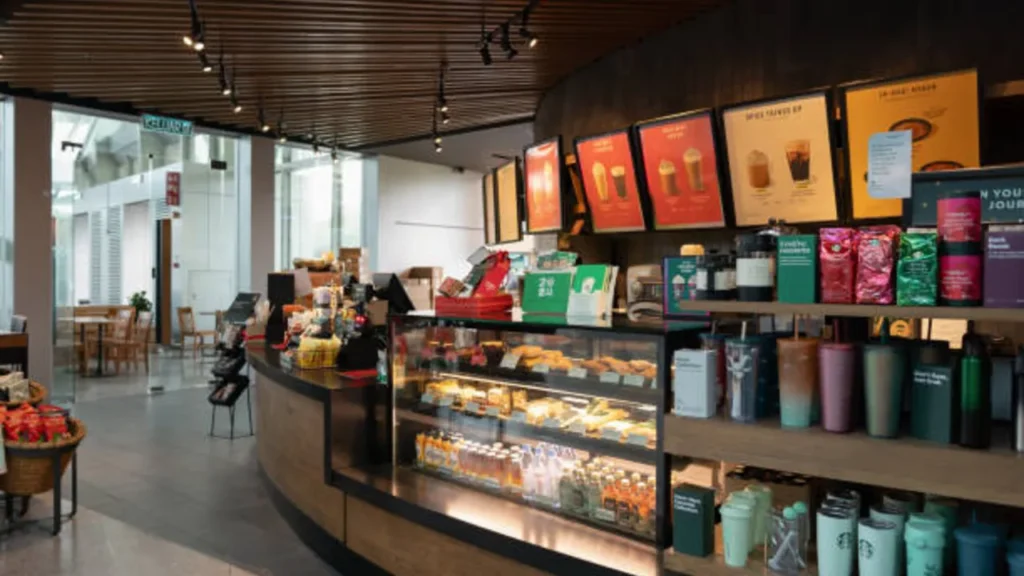
Starbucks announced one of the largest closures of the year, with around 500 locations set to close across North America. The company described the move as part of a multi-year transformation plan aimed at modernizing operations and focusing on digital growth. While many of the shuttered stores were low-performing or located near other Starbucks outlets, new drive-thru and pickup-only concepts were simultaneously being introduced.
Executives positioned the downsizing as a “strategic rebalancing,” emphasizing investment in mobile ordering, AI-powered forecasting, and streamlined kitchen design. The company maintained that the closures would make room for better placement of new stores tailored to the evolving coffee-on-the-go market.
Wendy’s: Project Fresh and Store Consolidation
For Wendy’s, 2025 became a crucial transition year under its internal initiative called “Project Fresh.” The burger chain planned to close a mid-single-digit percentage of its restaurants, primarily those underperforming in older urban and suburban markets. The company focused on enhancing existing store efficiency, remodeling key locations, and strengthening its breakfast and digital order segments.
Despite closures, Wendy’s signaled confidence in long-term growth by investing in kitchen automation and international expansion. The brand’s strategy aimed to tighten domestic operations while setting the stage for higher profitability through modernization and technology adoption.
Denny’s: Shrinking the Classic Diner Model
Denny’s, one of America’s most iconic diner chains, faced significant pressure from changing breakfast habits and competition from quick-service brands. As a result, the company announced plans to close between 70 and 150 locations in 2025. Many closures targeted older franchise units with declining foot traffic and rising maintenance costs.
To counter the decline, Denny’s began exploring smaller, express-style diner models focused on takeaway and late-night convenience. The brand also invested in digital menus and streamlined kitchen setups to better serve changing consumer behaviors.
Jack in the Box: Streamlining Underperforming Markets
Jack in the Box also trimmed its footprint, closing at least 80 to 90 underperforming restaurants throughout the year. The closures came as part of an operational review called “Jack on Track,” which aimed to optimize resources, exit low-margin markets, and focus expansion in high-growth regions.
While the closures were substantial, the brand’s leadership emphasized a renewed focus on drive-thru innovation, faster service times, and new menu launches. Jack in the Box’s digital sales continued to rise even as the physical network contracted.
Papa John’s: Refocusing on Core Profit Centers
Among pizza chains, Papa John’s made one of the most notable moves in 2025 by shutting down over 170 stores worldwide, including about 60 locations in the United States. The company cited performance disparities between franchised and corporate-owned stores as a key factor in the closures.
Executives pointed to a long-term restructuring effort to focus on strong franchise partners and invest in delivery infrastructure. While the closure numbers sounded large, Papa John’s continued to expand selectively in international markets with high digital ordering demand.
Other Major Restaurant Brands Hit by Closures
The wave of 2025 restaurant closures was not limited to a few big names. Several other well-known chains also announced restructuring plans and location reductions:
- Outback Steakhouse (Bloomin’ Brands): Closed multiple restaurants nationwide as part of a cost-reduction initiative to improve margins and reinvest in key suburban markets.
- Noodles & Company: Shut down dozens of company-owned stores to focus on profitability and reimagine the brand with smaller footprints and simplified menus.
- Darden Restaurants: Streamlined its portfolio by closing certain Bahama Breeze and Yard House locations while investing more heavily in Olive Garden and LongHorn Steakhouse.
- Hardee’s and Carl’s Jr.: Reduced locations in overlapping regions following franchise restructuring and regional performance reviews.
How These Closures Impact the Industry
The widespread closures of 2025 sent ripple effects across the broader food service ecosystem. Thousands of employees were displaced, landlords faced a surge of vacant commercial spaces, and investors began to reassess long-term strategies in the restaurant sector.
Yet, not all consequences were negative. For many brands, the closures represented a necessary correction — a shift toward sustainable growth rather than unchecked expansion. By trimming weaker locations, companies aimed to strengthen brand perception, improve same-store sales, and create leaner, more adaptable operations.
Some analysts described 2025 as a “cleansing cycle” that would pave the way for new innovation and smarter restaurant models in the years ahead.
Key Trends Emerging After the Closures
As brands regrouped, several new trends began shaping how the post-closure restaurant industry operates:
- Smaller store formats: Chains are pivoting toward compact layouts with emphasis on drive-thru and pickup.
- Automation and AI: Restaurants are investing in automated kitchens, predictive ordering, and robotics to reduce costs.
- Data-driven decisions: Companies increasingly rely on analytics to decide where to open or close stores based on traffic patterns and spending behavior.
- Subscription and loyalty programs: Brands are experimenting with monthly meal subscriptions and app-based rewards to secure repeat customers.
Together, these trends point to a more digitally integrated, efficiency-focused future for the dining sector. The mass closures of 2025 were painful, but they forced the industry to innovate faster than ever before.
What to Expect in 2026
Looking ahead, 2026 is shaping up to be a year of rebuilding and strategic growth. Many brands plan to reopen in redesigned formats emphasizing digital convenience, sustainability, and smaller physical spaces. Analysts expect restaurant counts to stabilize, but at a leaner level than pre-2025 peaks.
Fast-casual brands that adapt to evolving consumer preferences — especially those offering affordable, high-quality, and digitally integrated experiences — are expected to thrive. Meanwhile, legacy dine-in formats may continue to struggle unless they reinvent their customer experience and pricing models.
Conclusion: The Turning Point for American Dining
The wave of 2025 restaurant closures marked one of the most transformative moments in the modern history of the U.S. dining industry. While the year brought widespread downsizing, it also forced companies to confront inefficiencies and reinvent how they operate.
For consumers, the immediate impact may have been fewer dining choices, but the long-term result could be a stronger, more resilient restaurant landscape. By closing weaker stores and investing in smarter growth strategies, major chains are positioning themselves to serve a generation that demands speed, value, and digital convenience.
As the dust settles, 2025 will be remembered not just as the year of closures, but as the year when the restaurant industry began a new chapter — one defined by innovation, sustainability, and smarter business models.