

Understanding How Construction Shapes City Identity
A city’s identity is never static — it evolves through continuous cycles of demolition, reconstruction, and innovation. From industrial warehouses reborn as art districts to modern high-rises redefining downtown skylines, construction shapes U.S. city identity by translating social and economic priorities into physical form. Architecture becomes language; design becomes a form of civic storytelling.
Geography and culture set the stage, but it’s construction that materializes ambition. The layout of streets, the density of housing, and the character of commercial centers all show what a community values: growth, sustainability, or preservation. This is why construction isn’t just an industry — it’s the engine behind every city’s evolution.
The Construction Engine Behind Urban Personality
Construction does more than fill skylines with concrete and steel. It expresses a city’s personality. For example, coastal hubs like Miami and Los Angeles favor sleek, climate-resilient architecture, while Midwestern cities emphasize adaptive reuse and affordability. Through these choices, construction shapes U.S. city identity by aligning design with local character and economic goals.
Architects, engineers, and planners act as storytellers of place. Their collective output — from office towers and transit hubs to sports arenas and cultural landmarks — reveals the balance between heritage and innovation. When construction embraces sustainability, mixed-use development, and community integration, cities naturally grow more vibrant and inclusive.
Construction Employment: Tracking the Pulse of Urban Growth
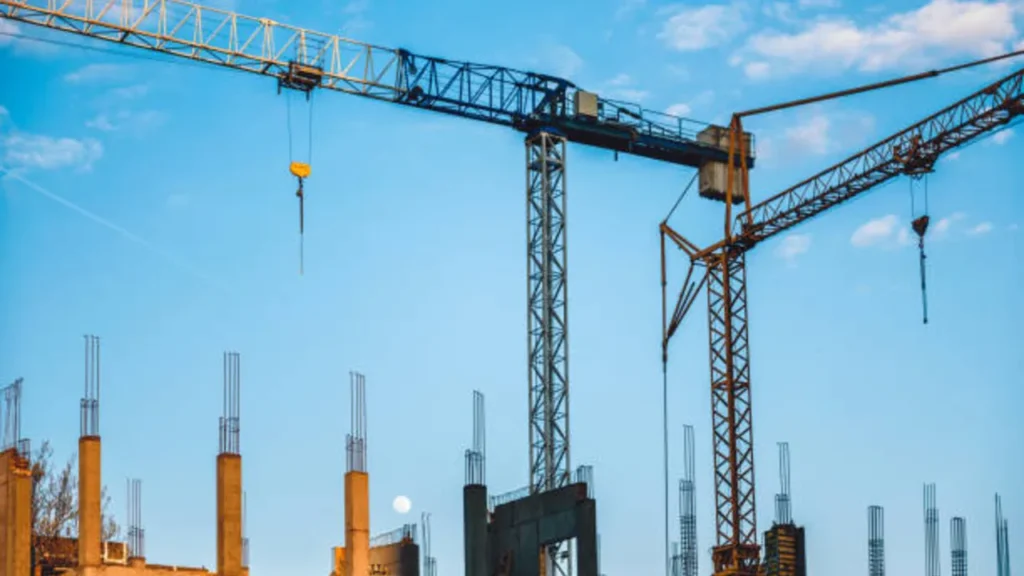
Employment in construction is one of the most reliable barometers of urban vitality. Where cranes rise, economies thrive. Data shows that while some metropolitan regions like Los Angeles and San Francisco have recently experienced declines in construction jobs, other areas — particularly in the Southeast and Midwest — are booming.
Cities such as Jacksonville, Tampa, Orlando, and Miami have recorded increases in construction employment, driven by rapid in-migration and housing demand. Likewise, Charlotte, Kansas City, Washington D.C., and Oklahoma City show consistent gains as new infrastructure and commercial developments take shape. Each project reinforces the broader pattern of how construction shapes U.S. city identity — turning economic data into visible progress.
Even legacy manufacturing cities such as Columbus and Cincinnati are witnessing revitalization through steady construction growth, proving that the industry remains at the heart of every city’s renewal story.
Migration Patterns and How They Influence Construction
Migration has become one of the most powerful forces in redefining modern America. As residents leave high-cost metros like Los Angeles, Chicago, and New York, they bring their talents, businesses, and cultural tastes to emerging destinations. This demographic shift forces builders and planners to adapt — and in doing so, construction shapes U.S. city identity across regions.
Fast-growing cities such as Raleigh, Knoxville, Myrtle Beach, and Jacksonville are seeing demand surge for housing, schools, and public infrastructure. Construction firms respond with master-planned communities, new airports, and smart mobility systems — reshaping what urban life looks like in these expanding metros.
Economic Forces Behind the Built Environment
The economic fabric of each city directly influences construction patterns. Tech hubs like Seattle, Austin, and San Francisco pour resources into high-performance commercial towers, while energy and logistics centers such as Houston and Dallas prioritize industrial parks and warehouse construction. In every case, construction shapes U.S. city identity by channeling capital into projects that represent regional strengths.
The link between income, employment, and construction investment cannot be overstated. A city thriving economically often translates that growth into physical expansion — new campuses, transit systems, entertainment venues, and mixed-use spaces. These structures become visible proof of prosperity and innovation.
Architecture as Cultural Expression
Buildings are not just functional — they’re cultural. The façades of a city’s landmarks, museums, and civic spaces tell residents who they are and where they’re going. Adaptive reuse projects in cities like Pittsburgh or Detroit illustrate how construction shapes U.S. city identity through the careful blend of history and modernity. A former steel mill becomes a concert hall; a century-old train depot turns into a thriving food market.
This blending of past and future demonstrates that identity is not lost through development — it’s strengthened when construction honors the stories embedded in a city’s foundation.
Future Projects That Will Redefine American Cities
Across the country, innovative projects are pushing the boundaries of what’s possible. In Milwaukee, Wisconsin, developers are planning one of the world’s tallest mass timber buildings — a bold statement in sustainable design. In Oklahoma City and Washington, D.C., new sports arenas will transform entertainment districts and community engagement.
Meanwhile, Columbus, Ohio is preparing for a $2 billion airport expansion that promises to reshape regional mobility. These projects don’t just add structures; they create new symbols of civic pride and economic momentum. Once again, construction shapes U.S. city identity — connecting design innovation with social and economic transformation.
Construction as a Mirror of Social Change
Every crane and concrete pour reflects broader shifts in society. The pandemic accelerated remote work, green design priorities, and decentralized growth — all of which influence how builders plan the next generation of cities. From affordable housing initiatives to carbon-neutral office campuses, the construction sector mirrors evolving American values.
By studying how construction shapes U.S. city identity, planners and policymakers can better anticipate where investment and population growth will converge. This understanding helps cities adapt more intelligently to economic, social, and environmental challenges.
Conclusion: Building the Story of America’s Future
The relationship between construction and urban identity is inseparable. Every structure built today defines how people will experience their cities tomorrow. Whether through revitalized industrial corridors, high-tech campuses, or community-driven neighborhoods, construction shapes U.S. city identity in ways that blend art, engineering, and human aspiration.
In essence, construction is America’s ongoing autobiography — written in steel, glass, and concrete. Understanding how it shapes identity gives us not just a view of what our cities look like today, but a vision of what they can become tomorrow.