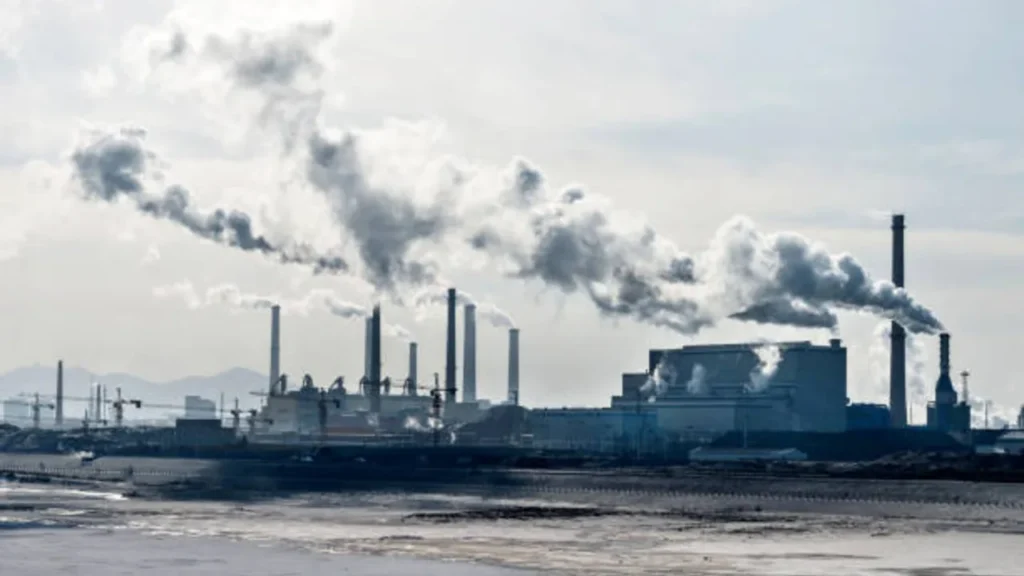

The world is facing two urgent and interconnected challenges — managing the growing mountain of waste and meeting the ever-increasing demand for clean energy. As cities expand and consumption rises, waste management has become a pressing environmental issue. At the same time, global efforts to reduce dependence on fossil fuels are accelerating. The convergence of these two challenges has given rise to an innovative solution known as waste to energy (WTE) — a process that transforms everyday trash into usable power.
The Global Waste and Energy Challenge
Every year, billions of tons of municipal solid waste are generated worldwide, with a significant portion ending up in landfills or open dumps. These disposal sites release methane and other greenhouse gases, contributing to climate change. Meanwhile, the energy sector faces pressure to find sustainable, renewable alternatives to coal and oil. Waste to energy technologies address both problems simultaneously — by converting waste materials into electricity, heat, or fuel, they help reduce landfill dependency and create new sources of clean energy.
Countries like Sweden, Denmark, and Japan have already embraced WTE as part of their national energy strategies. In Sweden, for instance, more than half of household waste is now converted into energy through advanced incineration and biogas systems. This integrated approach demonstrates how waste management and renewable energy can complement each other to achieve environmental and economic sustainability.
Understanding the Waste-to-Energy Concept
At its core, waste to energy refers to any process that captures the energy content of waste materials and transforms it into useful forms such as electricity, steam, or biofuel. The technology can handle a variety of waste streams — from organic food waste and agricultural residues to plastics, paper, and other municipal waste. Instead of being buried underground, this waste is repurposed as a valuable energy resource.
The process typically involves three stages:
- Collection and sorting: Waste is separated to remove recyclables and non-combustible materials.
- Conversion: The remaining waste is subjected to thermal, biological, or chemical processes that release its energy potential.
- Energy recovery: The resulting heat, gas, or oil is used to generate electricity or provide district heating.
Unlike traditional recycling, which focuses on material reuse, WTE emphasizes energy recovery — making it an essential part of a circular economy where nothing goes to waste.
Core Technologies Behind Waste to Energy
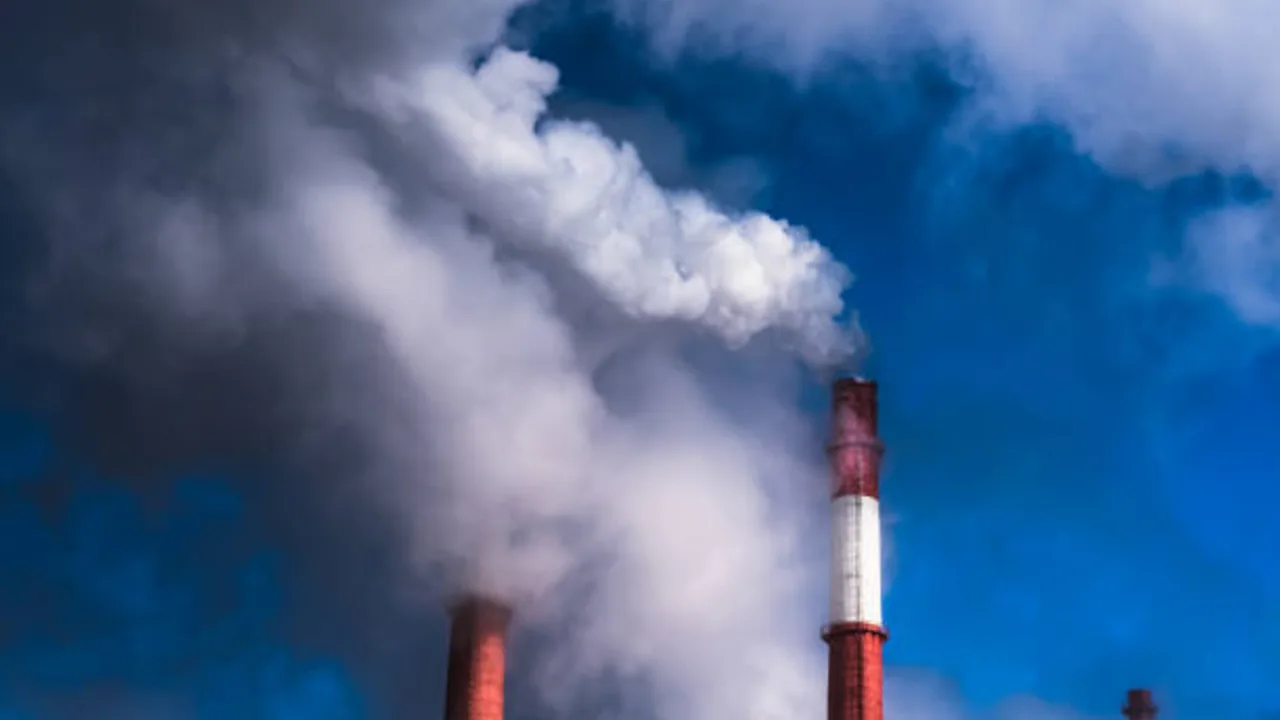
Several methods are used to extract energy from waste, but three main technologies dominate the field: incineration, anaerobic digestion (for biogas production), and pyrolysis/gasification. Each has its own advantages, energy yields, and environmental implications.
1. Incineration (Combustion)
Incineration is the most established waste to energy method. It involves burning waste at high temperatures (850–1,100°C) to produce heat, which generates steam to power turbines for electricity production. Modern incineration plants are equipped with advanced filters and scrubbers to capture harmful emissions, ensuring compliance with strict environmental regulations.
The main advantages of incineration include:
- Significant volume reduction of waste (up to 90%).
- Continuous, reliable power generation.
- Capability to process mixed or unsorted municipal waste.
However, it also has limitations, such as high installation costs and the need for sophisticated emission-control systems. Nonetheless, in countries like Japan and Germany, incineration has proven to be a cornerstone of urban energy management.
2. Anaerobic Digestion and Biogas
Anaerobic digestion is a biological process that breaks down organic materials — such as food waste, manure, and sewage — in the absence of oxygen. This process produces biogas, a renewable fuel composed mainly of methane and carbon dioxide. The methane can be used directly for heating, electricity generation, or even upgraded to biomethane for vehicle fuel.
The by-product of digestion, known as digestate, can also be used as a nutrient-rich fertilizer, completing the sustainable cycle. This makes biogas systems especially valuable for agricultural communities and cities with large organic waste streams.
| Parameter | Incineration | Biogas (Anaerobic Digestion) |
|---|---|---|
| Feedstock Type | Mixed solid waste | Organic waste only |
| Energy Output | Electricity and heat | Methane gas and fertilizer |
| Emission Level | Moderate (requires filtration) | Low (biological process) |
| Technology Maturity | High | Medium to high |
3. Pyrolysis and Gasification
These advanced thermal processes convert waste into synthetic gas (syngas) or oil under limited or no oxygen conditions. The resulting gas can be used for electricity generation or refined into liquid fuels. Pyrolysis is particularly effective for treating plastics and other carbon-rich materials that are difficult to recycle mechanically.
Gasification, on the other hand, operates at higher temperatures and produces cleaner syngas with higher calorific value. Although these technologies are still developing in terms of scalability and cost, they offer promising pathways for achieving carbon-neutral energy production from waste.
Environmental and Economic Benefits
The benefits of waste to energy systems extend far beyond power generation. Environmentally, they reduce methane emissions from landfills, decrease pollution, and help recover valuable metals from residual ash. Economically, they create jobs in construction, plant operation, and maintenance, while providing a stable local energy supply that reduces reliance on imported fuels.
By integrating waste to energy solutions with existing waste management systems, cities can achieve circular resource flow — where waste becomes a feedstock for clean energy. This not only conserves natural resources but also reduces the environmental footprint of urban living.
Technological Innovations and Modern Applications
As environmental standards become stricter and energy demands grow, the waste to energy industry continues to evolve with new technologies and smarter systems. Modern WTE plants integrate advanced emission control units, automated waste sorting, and digital monitoring tools to ensure cleaner and more efficient operations. Many facilities now operate as combined heat and power (CHP) plants, simultaneously generating electricity and utilizing residual heat for district heating or industrial applications.
Smart Integration and Automation
The introduction of AI-based sorting systems has revolutionized how waste is classified before processing. By using sensors and robotic arms, plants can separate organic, plastic, and metal waste more efficiently, ensuring the most suitable energy recovery method for each material. Similarly, real-time data monitoring allows operators to adjust combustion or digestion parameters to maintain optimal efficiency.
Some modern cities are also deploying waste to energy solutions as part of their “smart city” infrastructure, where heat, electricity, and even cooling are distributed through integrated urban energy networks. This innovation transforms waste management from a disposal problem into an energy solution.
Combining Technologies for Greater Efficiency
Instead of relying on a single method, hybrid WTE facilities often combine biogas production with incineration or gasification. For example, organic waste is digested to produce methane, while non-organic waste undergoes thermal conversion. The synergy between these systems maximizes energy recovery and minimizes residual waste, leading to nearly zero landfill output.
In addition, heat recovery systems capture exhaust heat from incinerators to preheat incoming waste or supply nearby buildings, improving the plant’s overall energy balance. This “cascading energy use” principle is now considered a best practice in sustainable energy design.
Challenges and Limitations of Waste-to-Energy
While waste to energy technologies offer immense potential, they are not without challenges. Environmentalists often raise concerns about air pollution, carbon emissions, and toxic ash residues produced by incineration. However, continuous innovation in flue gas treatment — including electrostatic precipitators, activated carbon filters, and scrubbers — has drastically reduced these impacts in modern facilities.
Economic and Policy Barriers
The initial capital cost of building a WTE plant remains high, often deterring developing nations from adopting the technology. Furthermore, the profitability of WTE depends on stable waste supply, energy prices, and supportive government policies. Without long-term regulatory frameworks, private investors may hesitate to fund large-scale projects.
Another issue is public perception. Many communities still associate waste incineration with pollution, even though today’s systems are far cleaner than in the past. Effective communication, transparent reporting, and community engagement are critical to gaining public trust and acceptance.
Technical Challenges
- Feedstock variability: Waste composition changes daily, affecting combustion and digestion efficiency.
- Residue management: Ash and char require careful disposal or reuse in construction materials.
- Energy conversion limits: Thermal losses and process inefficiencies still exist despite technological advances.
Addressing these challenges requires collaboration between engineers, policymakers, and environmental scientists to continuously refine system design and operational protocols.
Environmental and Social Impact
Beyond power generation, waste to energy systems play a pivotal role in sustainable urban development. By reducing landfill volumes and recovering energy, they directly support carbon reduction targets and improve local air quality. Additionally, WTE plants create new employment opportunities — from waste collection and logistics to plant operation and maintenance — fostering inclusive economic growth.
Many cities are now integrating WTE with other sustainability initiatives such as recycling programs and composting systems. Together, these efforts form the foundation of a circular economy, where every waste stream is utilized, and nothing is left unused.
Future Outlook: Waste to Energy in the Green Transition
As the world races toward decarbonization, waste to energy technologies are poised to play an increasingly important role in the global green transition. Emerging innovations — such as carbon capture and storage (CCS), plasma gasification, and hydrogen recovery — are pushing WTE toward near-zero emissions.
In the near future, waste facilities could double as distributed energy hubs, producing not only electricity and heat but also green hydrogen and synthetic fuels. These hybrid plants would integrate seamlessly with renewable sources like solar and wind, stabilizing power grids with continuous, base-load energy supply.
From an economic standpoint, the integration of digital twins and predictive analytics will allow operators to monitor plant performance remotely, detect equipment failures before they occur, and optimize energy yield in real-time. This shift toward smart WTE systems aligns perfectly with the ongoing evolution of Industry 4.0.
Global Examples Leading the Way
– Singapore: The Tuas Nexus Integrated Waste Management Facility is a flagship project that merges water treatment and waste-to-energy operations, maximizing resource efficiency.
– Denmark: The Amager Bakke plant in Copenhagen not only generates power but also features a public ski slope on its rooftop, redefining the relationship between sustainability and community engagement.
– China: Rapidly expanding its WTE capacity, with over 300 operational plants, demonstrating the scalability of this approach for densely populated regions.
Conclusion: From Trash to Resource
The transformation of waste into energy is no longer a futuristic concept — it is a proven, scalable solution driving the world toward sustainability. By harnessing the potential of waste to energy technologies such as biogas, incineration, and gasification, societies can address both waste management and clean energy challenges at once.
With the right mix of innovation, regulation, and public awareness, waste can become one of humanity’s most valuable renewable resources. Instead of seeing trash as a burden, we can view it as an opportunity — a continuous, renewable source of power that fuels a greener future for all.
For more detailed insights on the scientific principles and global practices of waste-to-energy systems, visit the Waste-to-Energy page on Wikipedia.