
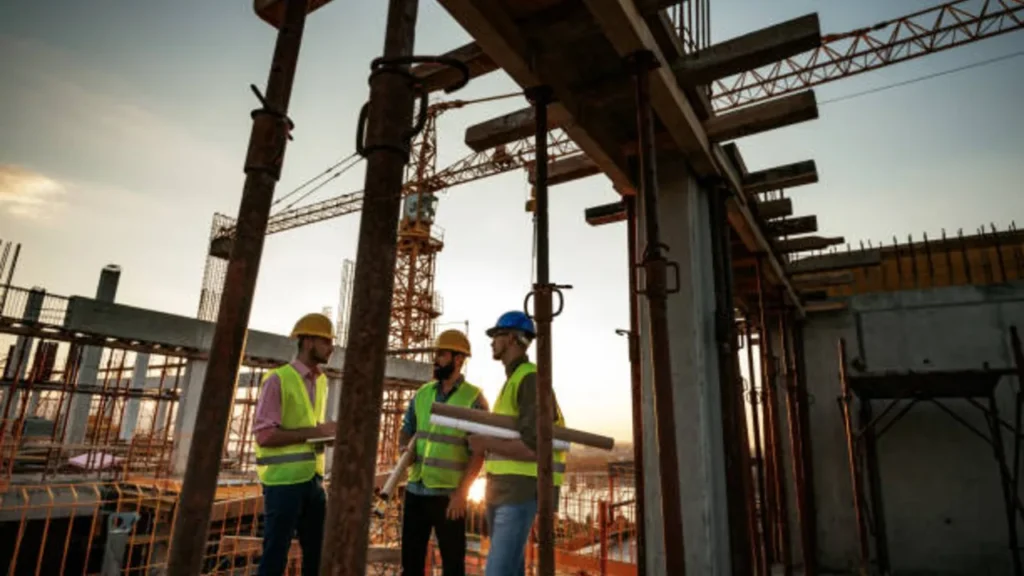

The construction supply chain plays a critical role in ensuring the timely and cost-effective completion of modern infrastructure and building projects. From sourcing raw materials to managing logistics, every link in the supply chain directly impacts project success. However, in recent years, the industry has faced significant disruptions—from global material shortages to shipping delays—that have challenged even the most efficient contractors and developers.
This article explores the major challenges affecting the construction supply chain and presents practical solutions that companies can implement to enhance resilience, efficiency, and sustainability across every stage of the process.
Understanding the Construction Supply Chain
A construction supply chain is a complex network that involves multiple stakeholders—suppliers, manufacturers, distributors, contractors, and project owners—all working together to deliver materials and services to a construction site. Unlike other industries with repetitive production cycles, construction supply chains are often project-based and location-specific, requiring tailored coordination for every project.
The effectiveness of this chain depends on the smooth flow of information, materials, and finances. When one component falters—such as a delayed shipment or design change—the entire project timeline can suffer. That’s why managing visibility and communication across all partners is essential to maintaining project performance.
Technological advancements like Building Information Modeling (BIM), Enterprise Resource Planning (ERP) systems, and Internet of Things (IoT) sensors are increasingly being used to improve transparency and coordination. These tools provide real-time data that helps predict material needs, reduce waste, and prevent delays caused by miscommunication or inaccurate forecasts.
Major Challenges in the Construction Supply Chain
1. Material Shortages and Price Volatility
One of the most significant issues facing the construction supply chain today is the global shortage of construction materials. Essential commodities like steel, cement, aluminum, and lumber have experienced extreme price volatility in recent years. Events such as the COVID-19 pandemic, geopolitical conflicts, and energy crises disrupted manufacturing and logistics networks, causing production bottlenecks and delivery delays.
When material costs fluctuate rapidly, contractors struggle to maintain budgets and profitability. Long-term projects, in particular, face greater risks since pricing agreements may no longer reflect current market conditions. To mitigate these risks, companies must adopt flexible procurement strategies and establish contracts with escalation clauses that account for potential price changes.
Another effective measure is to maintain a diversified supplier base. Relying solely on a single vendor or region can expose a company to unnecessary risk. By building relationships with multiple suppliers—including local producers—companies can minimize disruptions and respond faster to unexpected shortages.
2. Logistics and Transportation Bottlenecks
The global logistics system has undergone unprecedented stress. Port congestion, container shortages, and rising fuel prices have made transportation a key bottleneck in the construction supply chain. Delayed shipments of critical components can halt entire projects, especially when just-in-time delivery strategies are in use.
Domestic transportation also faces challenges, from driver shortages to insufficient infrastructure. These constraints increase delivery times and logistics costs, which can erode profit margins. To overcome these problems, construction firms are adopting smarter logistics strategies—such as pre-ordering materials, using regional distribution centers, and employing predictive analytics to anticipate disruptions.
Additionally, advanced tracking technologies like GPS-enabled fleet systems and blockchain documentation are improving supply chain visibility. These innovations allow project managers to monitor shipment progress in real time and ensure materials arrive safely and on schedule.
3. Coordination and Communication Gaps
Construction projects often involve numerous subcontractors, suppliers, and consultants, making effective communication essential. However, many firms still rely on outdated manual processes such as spreadsheets and email threads to coordinate operations. This lack of synchronization creates confusion, duplication of orders, and scheduling conflicts that reduce efficiency.
To address this issue, companies are adopting centralized digital collaboration platforms that integrate procurement, logistics, and project management. Cloud-based ERP systems allow real-time data sharing between stakeholders, ensuring everyone has access to the same information at all times. Improved visibility not only speeds up decision-making but also reduces the risk of costly mistakes and project delays.
4. Labor Shortages and Productivity Decline
Another ongoing challenge in the construction supply chain is the shortage of skilled labor. The construction sector has been experiencing an aging workforce and a decline in the number of young professionals entering the industry. Combined with stricter immigration policies in many regions, this trend has intensified labor scarcity and increased project costs.
Inadequate staffing slows down material handling, quality checks, and installation processes—causing ripple effects across the entire supply chain. As a result, many companies are investing in automation, robotics, and prefabrication to reduce dependence on manual labor. Prefabricated components can be manufactured off-site in controlled environments, then transported and assembled on-site, dramatically improving efficiency and consistency.
Training programs and workforce development initiatives are also critical for strengthening human capital in construction. Companies that invest in upskilling employees not only improve productivity but also enhance their ability to adopt new technologies and adapt to industry changes.
Innovative Solutions to Supply Chain Challenges
1. Strategic Sourcing and Supplier Diversification
In the face of uncertainty, proactive procurement planning is vital. Construction companies are increasingly practicing strategic sourcing—identifying, evaluating, and managing suppliers to secure the best combination of cost, reliability, and quality. By diversifying suppliers geographically and functionally, firms can reduce exposure to regional disruptions and geopolitical risks.
Strong supplier relationships foster collaboration and innovation. When both parties share forecasts and performance data, they can plan production schedules more effectively and minimize waste. Long-term contracts with trusted suppliers also ensure price stability and material availability during periods of market turbulence.
As highlighted by industry reports on supply chain management, transparency and trust between partners are key factors in sustaining a resilient and competitive construction network.
2. Digital Supply Chain Management
Digital transformation has become the backbone of a resilient construction supply chain. By leveraging technologies such as Building Information Modeling (BIM), Enterprise Resource Planning (ERP), and Artificial Intelligence (AI), companies can integrate data from procurement to on-site execution. This integration provides greater visibility into project timelines, inventory status, and supplier performance.
BIM allows all project participants—from architects to contractors—to collaborate using the same 3D model, ensuring that every material specification is accurate. Meanwhile, ERP systems centralize procurement, finance, and logistics data to prevent duplication and inefficiencies. AI and predictive analytics can even forecast demand for critical materials, helping teams order supplies before shortages occur.
The use of IoT sensors and cloud-based dashboards also enables real-time monitoring of material movements. For example, RFID tags on steel beams or cement shipments allow project managers to track inventory location and delivery status. As a result, digitalized construction supply chains can minimize waste, avoid delays, and improve cost predictability across multiple projects.
3. Prefabrication and Modular Construction
Prefabrication and modular construction have revolutionized how materials flow through the construction supply chain. Instead of relying entirely on on-site assembly, companies can manufacture building components—such as wall panels, trusses, and columns—in controlled factory environments. This approach not only improves quality control but also reduces construction waste and site congestion.
Prefabrication also shortens construction schedules because on-site preparation and off-site manufacturing can occur simultaneously. Logistics become more predictable since the same supplier network handles fabrication and delivery. Moreover, prefabrication helps mitigate risks associated with materials shortage and unpredictable weather conditions that often affect traditional construction.
For large-scale projects such as industrial parks, commercial complexes, or steel-framed facilities, modular construction can deliver significant savings in both time and labor. The growing adoption of modular building systems also supports sustainability goals by optimizing resource use and minimizing environmental impact.
4. Sustainability and Circular Supply Chains
As environmental awareness grows, sustainability has become a strategic priority in the construction supply chain. The traditional linear approach—“take, make, dispose”—is being replaced with circular models that promote material reuse, recycling, and waste reduction. This shift helps reduce carbon emissions, conserve resources, and align with green building standards.
Companies are now investing in green logistics by optimizing transportation routes and using energy-efficient vehicles. The integration of sustainable materials such as recycled steel, fly ash cement, and low-carbon concrete contributes to the long-term viability of the construction sector. Beyond environmental benefits, these initiatives also strengthen brand reputation and help companies win bids for eco-certified projects.
Implementing a sustainable supply chain requires collaboration across all stakeholders. Designers must specify recyclable materials, contractors must ensure responsible sourcing, and suppliers must provide traceability. By embedding sustainability at every level of the supply chain, the industry can move toward a more responsible and resilient future.
Case Study: Successful Supply Chain Optimization
A leading global construction firm faced severe disruptions during the 2021 material crisis, with steel and cement prices rising more than 50% in just six months. To stabilize operations, the company implemented a multi-tiered strategy that combined supplier diversification, digital tracking, and long-term contracts with regional partners.
They introduced an integrated ERP-BIM system that allowed procurement teams to monitor inventory in real time and automatically reorder materials before stockouts occurred. By partnering with local suppliers for prefabricated steel components, the firm reduced lead times by 35% and improved delivery reliability. The result was a more agile and sustainable construction supply chain capable of adapting to global volatility.
Conclusion
The modern construction supply chain is under constant pressure from fluctuating material costs, labor shortages, and logistics bottlenecks. Yet, through innovation and strategic management, these challenges can be transformed into opportunities for growth. Companies that invest in digital systems, supplier diversification, and sustainable practices can build a stronger, more flexible supply chain capable of withstanding future disruptions.
As the industry continues to evolve, collaboration between manufacturers, contractors, and technology providers will define the next generation of construction excellence. A resilient, transparent, and sustainable supply chain is not just a competitive advantage—it’s the foundation of every successful construction project.