
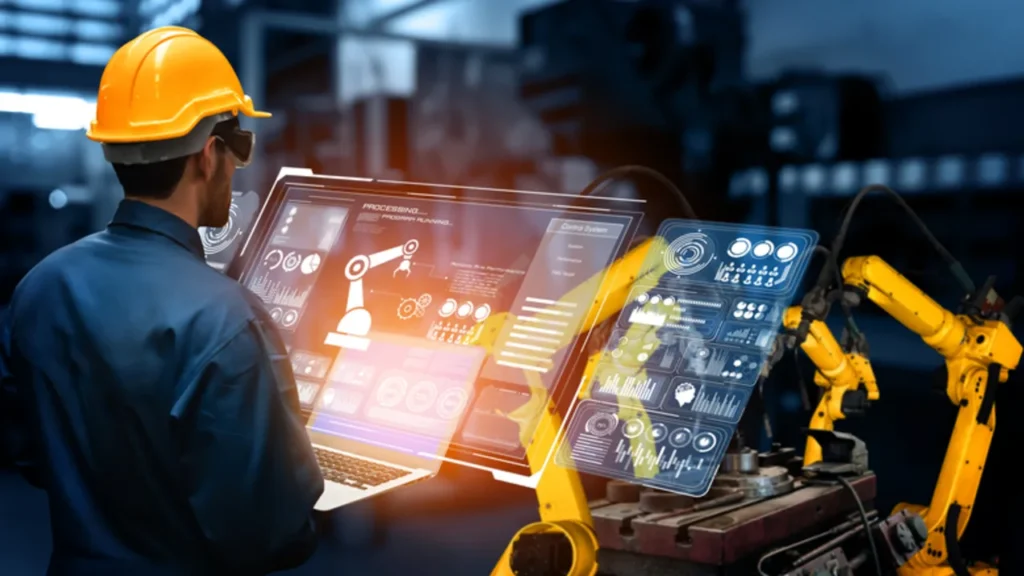

In today’s ultra-competitive industrial world, unexpected machine failures are one of the biggest threats to productivity. An hour of downtime can cost thousands—or even millions—of dollars depending on the scale of the operation. Traditional maintenance models often rely on scheduled inspections or reactive repairs. While they worked in the past, modern factories demand something faster, smarter, and more reliable.
This is where predictive maintenance AI comes in. Instead of waiting for equipment to break down, factories are now using real-time data, sensors, and machine learning to anticipate problems long before they occur. The result is simple: factories stay up, machines last longer, and costs go down.
What Is Predictive Maintenance AI?
Predictive maintenance AI is a data-driven approach that combines sensors, analytics, and machine learning to detect early signs of equipment failure. The system collects operational data from machines, analyzes performance patterns, and predicts when a component will require maintenance. Unlike
scheduled preventive maintenance, predictive systems adjust based on real conditions rather than assumptions.
How Predictive Maintenance Works Behind the Scenes
The process begins with data collected through industrial IoT sensors installed on critical machinery. These sensors monitor vibration, temperature, sound frequency, energy consumption, and dozens of other variables. The data is streamed to an AI model, which performs anomaly detection and trend analysis. If the system detects early warning signals, it sends an alert—sometimes days or weeks before an actual breakdown would happen.
| Traditional Maintenance | Predictive Maintenance AI |
|---|---|
| Repairs after failure | Predicts failure before it happens |
| High risk of downtime | Downtime reduction and early alerts |
| Human-driven inspections | Sensor-driven real-time data |
| Fixed maintenance schedules | Dynamic, condition-based schedules |
Why Predictive Maintenance AI Matters for Modern Factories
Factories are more automated than ever before. While robotics, conveyors, and complex assembly lines improve efficiency, they also increase the potential points of failure. The benefit of predictive maintenance AI is that it identifies issues faster than human inspections, analyzes the root cause, and prevents disruptions before they escalate.
Manufacturers now use predictive AI to:
- Extend machine lifespan
- Reduce human error
- Minimize unplanned downtime
- Optimize planning and spare parts management
Instead of buying replacement machinery prematurely or running equipment until it dies, predictive systems help factories operate more sustainably and intelligently.
The Technologies Behind Predictive Maintenance AI
Predictive maintenance AI is a combination of several Industry 4.0 technologies working in sync:
1. Sensors and IoT Connectivity
Sensors are the heart of the system. They continuously measure performance variables and stream data in real time. When these data streams are combined with historical maintenance logs, the AI can identify hidden patterns such as slow degradation or abnormal performance shifts.
| Sensor Type | Monitored Parameter |
|---|---|
| Vibration sensors | Rotational imbalance, wear |
| Thermal sensors | Heat buildup and friction |
| Acoustic sensors | Noise levels and abnormal frequency |
| Energy sensors | Power consumption trends |
2. Machine Learning Models
Once the sensors send enough data, machine learning identifies what “normal” operation looks like. It also learns from irregularities. Over time, the system becomes more accurate and can differentiate between harmless fluctuations and genuine risk states.
3. Cloud and Edge Computing
Factories today operate using hybrid computing:
Edge computing processes data directly on the factory floor for real-time alerts. Cloud computing stores long-term data for trend analysis and reporting. This dual model ensures speed, scalability, and long-term learning.
The Main Benefits of Predictive Maintenance AI
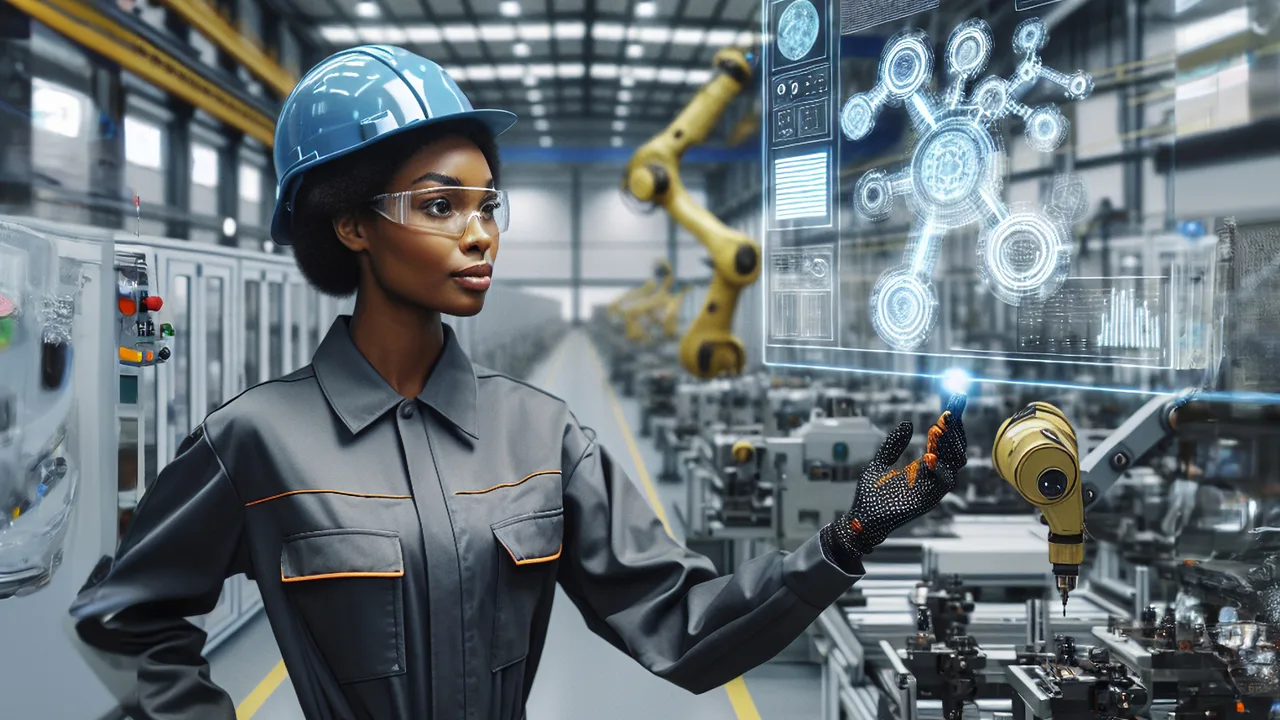
The most compelling advantage is downtime reduction. Predictive maintenance AI helps factories avoid sudden shutdowns and production chaos. Reducing downtime also impacts labor allocation, operational cost, and productivity.
1. Downtime Reduction
One of the top benefits is the ability to assess machine health continuously and warn operators as soon as performance deteriorates. Even a small improvement in uptime yields substantial savings. Some factories report a 30–50% drop in unplanned outages after implementing predictive systems.
2. Improved Asset Utilization
Instead of replacing entire machines prematurely, factories can schedule precise component-level replacements. Predictive analytics reduces unnecessary maintenance and maximizes machine usage.
3. Higher Safety and Reliability
As more factories adopt autonomous systems, safety becomes just as important as efficiency. Predictive AI ensures failures are caught early, minimizing the risk of workplace accidents and large-scale damage.
Industrial Applications of Predictive Maintenance AI
Various industries are leveraging predictive maintenance AI not just for efficiency, but for survival in a data-driven economy:
Automotive Production
Car manufacturers use predictive sensors on assembly robots, electric motor systems, and painting lines. By identifying the exact cause of wear or mechanical imbalance, they reduce operational slowdowns during peak demand.
Steel Fabrication and Heavy Manufacturing
Factories in steel fabrication must operate under extreme heat and vibration. Predictive maintenance AI detects subtle changes in pressure or thermal load that might go unnoticed in routine inspections.
Energy Production and Utilities
Power plants rely heavily on condition monitoring. Predictive models forecast grid overload, mechanical degradation of turbines, and compressor issues.
How Factories Implement Predictive Maintenance AI
While predictive maintenance AI sounds complex, the implementation often follows a clear roadmap. Most factories begin with a pilot program, then scale the solution across their facility.
Step-by-Step Transformation Model
| Step | Description |
|---|---|
| 1. Equipment evaluation | Identify critical machines and pain points |
| 2. Data collection | Install sensors and begin monitoring |
| 3. AI integration | Machine learning models analyze sensor data |
| 4. Predictive alerts | System sends warnings and recommendations |
| 5. Continuous optimization | Adjust models as new data arrives |
Challenges and How Predictive Maintenance Solves Them
Factories adopting predictive AI face several operational challenges. Data quality, sensor cost, and integration with legacy systems can all influence success. The good news is that most of these challenges have straightforward solutions:
- Cloud storage solves data volume issues
- Edge processing eliminates latency
- Modular sensors integrate with older machines
- Predictive dashboards simplify monitoring
Instead of replacing entire infrastructures, factories can upgrade gradually. The cost savings from avoiding just a single major breakdown often outweigh the investment.
Real-World Example
In one automotive plant, predictive maintenance on robotic welding systems prevented an estimated 48 hours of downtime per month. That single improvement delivered measurable cost reductions, higher throughput, and smoother operational scheduling. These examples show predictive maintenance AI is not just a trend—it delivers practical results.
The Future of Predictive Maintenance AI
Within the next decade, predictive maintenance will evolve from diagnostic systems into intelligent autonomous systems. Factories will be able to:
– Repair themselves through predictive alerts
– Use self-healing algorithms
– Integrate digital twins for real-time simulation
– Automate spare parts ordering and maintenance requests
The factories of the future won’t just react to failures—they will anticipate and prevent them. Machines will communicate with each other, scheduling repairs and rerouting production automatically.
Conclusion
As industrial operations continue to speed up, the need for reliable equipment health monitoring only grows stronger. By combining sensors, data analytics, and real-time predictions, factories can transform their maintenance approach from reactive to proactive. Predictive maintenance AI helps eliminate unnecessary downtime, extend machine life, and unlock higher efficiency. In short, it’s not just improving factories—it’s keeping them running smoothly and intelligently.