
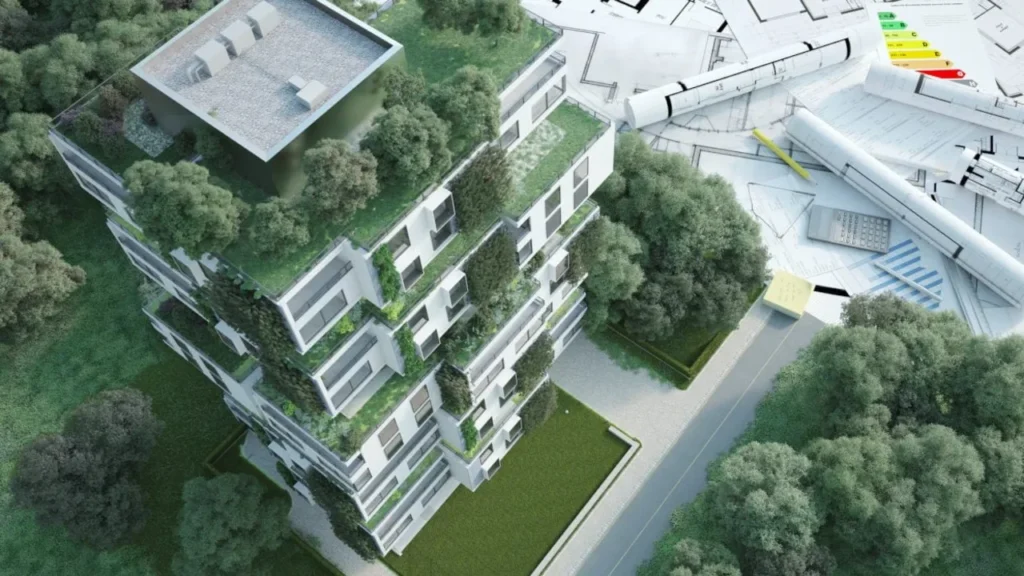

Green building certification has become one of the most important milestones for modern architecture and industrial construction. As the world moves toward carbon-neutral development, infrastructure design must follow measurable sustainability standards. Green building certification provides the framework to evaluate and verify whether a building minimizes environmental impact, maximizes energy efficiency, and improves long-term performance. It transforms sustainability from an idea into a quantifiable outcome — and steel is proving to be one of the most valuable materials that support this transition.
Steel is recognized not only for its structural strength but also for its potential to contribute to high sustainability scores. When correctly designed and fabricated, steel supports reduced emissions, lower energy use, recyclable material use, modular construction, and longer building life cycles. It significantly enhances performance in well-known certification systems such as LEED, BREEAM, Green Star, and Three Star Certification in China, among others. As industries focus on green structural systems across factories, commercial buildings, stadiums, bridges, and logistics facilities, understanding how steel supports these certifications becomes essential.
This article explores the role of steel in green building certification, including how modern fabrication processes, prefabrication, and structural engineering align with global sustainability standards.
What is Green Building Certification?
Green building certification is a performance-based evaluation that measures whether a building is designed and constructed according to sustainability and energy conservation standards. A certified green building is not defined merely by aesthetics or material choice — rather, it must demonstrate real environmental outcomes and performance.
Core Objectives of Green Building Certification
Although certification systems differ across countries, they share common sustainability objectives:
-
Reduce environmental impact and carbon emissions.
-
Improve energy efficiency and building envelope performance.
-
Reduce waste and water consumption.
-
Encourage the use of sustainable and recyclable materials.
-
Provide healthier and safer indoor-environmental conditions.
-
Enhance long-term durability and lifecycle performance.
These certifications look beyond construction. They evaluate a building throughout its operational lifecycle — making sustainability measurable and verifiable.
The World’s Leading Green Building Certification Systems
Several well-known certification frameworks exist worldwide, each with its own scoring system, criteria, and credit categories. The most globally recognized are:
LEED (Leadership in Energy and Environmental Design)
LEED is the most widely used green building certification system in the world. It evaluates:
-
Sustainability in design and construction
-
Energy and water efficiency
-
Carbon footprint
-
Materials and resource management
-
Indoor environmental quality
-
Innovation in construction methods
Projects are classified into certification levels:
-
Certified
-
Silver
-
Gold
-
Platinum
Steel contributes to credit categories in LEED through recyclability, reduced construction waste, high structural efficiency, thermal performance, and building envelope performance.
BREEAM (Building Research Establishment Environmental Assessment Method)
A European certification system that measures:
-
Material sourcing
-
Pollution control
-
Waste and energy efficiency
-
Water management
-
Resilience and climate adaptation
Steel is widely used in BREEAM-certified industrial structures, commercial buildings, and public facilities.
China Three Star Certification
China’s national green building certification focuses on:
-
Structural efficiency
-
Material sustainability
-
Pollution and waste reduction
-
Renewable energy integration
-
Water-saving strategies
Steel structures significantly advance these ratings because they improve the speed and environmental performance of industrial and commercial construction.
Green Star and Global Regional Systems
Other international systems include:
-
Green Star (Australia)
-
WELL Standard
-
EDGE Certification
-
CASBEE (Japan)
While the terminology differs, almost all require sustainable materials and efficient building performance — making steel a universal match for certification requirements.
Why Green Building Certification Matters Today
Green construction is no longer optional. It is driven by global economic, regulatory, and industrial pressures.
Environmental Responsibility
The construction industry accounts for a significant share of global carbon emissions and resource consumption. Green building strategies reduce environmental impact by integrating sustainable material and engineering solutions.
Corporate and Government Compliance
Governments, private companies, real estate developers, and industrial owners increasingly require sustainability validation. Certification ensures that buildings:
-
Meet environmental regulations
-
Qualify for tax incentives
-
Attract investors and tenants
-
Improve long-term asset value
Cost Reduction Over the Building Life Cycle
Certified structures achieve:
-
Lower energy consumption
-
Reduced operation and maintenance costs
-
Improved thermal performance
-
Extended material durability
-
Better resilience to weather or degradation
These benefits continue over decades, not just during the construction phase.
The Importance of Energy Efficiency in Certification
One of the most important credit categories in green building certification is energy efficiency. A building must be designed to consume minimal energy during operation — for heating, cooling, lighting, and ventilation.
Building Envelope Performance
Steel supports high thermal performance due to:
-
Insulated sandwich panels
-
Fire-resistant materials
-
Reduced thermal bridging
-
Sealed envelope systems
Advanced steel building envelopes improve energy performance by reducing heat gain or loss and enhancing climate control.
Integration With Renewable Energy
Steel structures support:
-
Solar panel systems
-
Wind turbines
-
Smart technology
Industrial and commercial buildings increasingly rely on renewable energy to achieve certification ratings.
Steel as a Green and Sustainable Structural Material
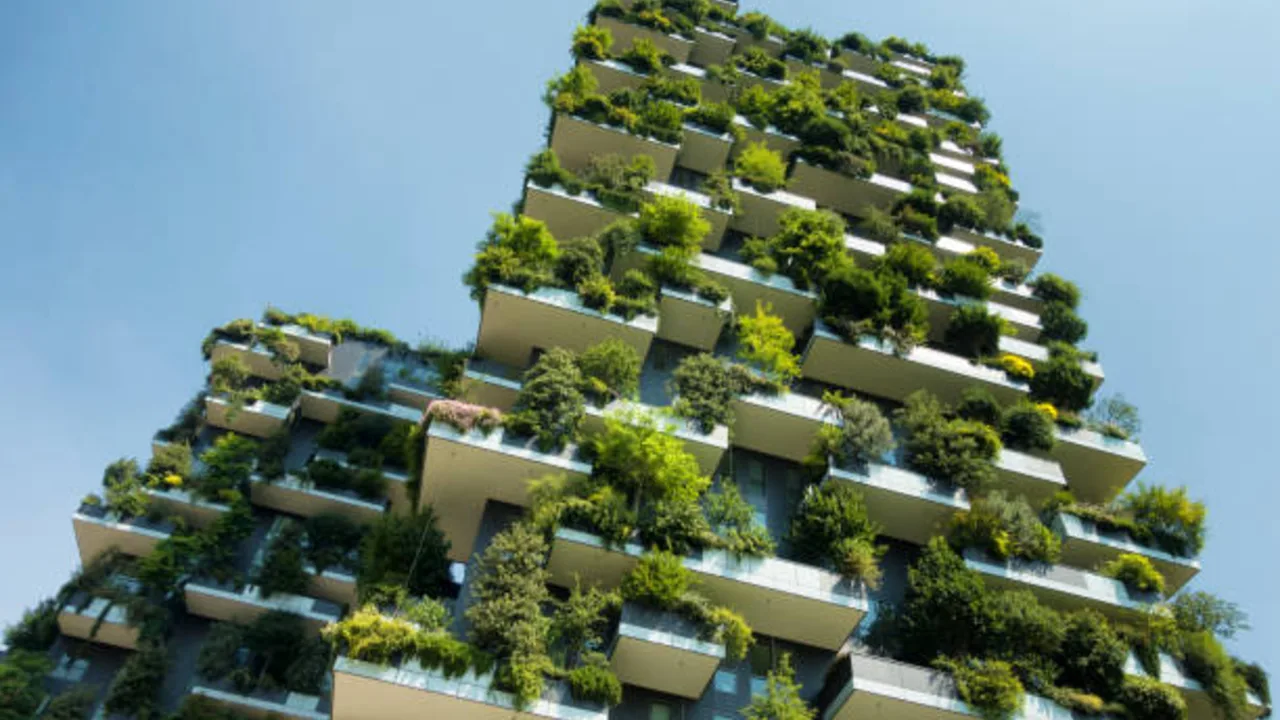
Steel is already one of the most recycled materials in the world. In construction, it provides environmental, structural, and operational advantages over conventional materials.
Sustainable Advantages of Steel
-
100% recyclable
-
Long service life
-
Prefabrication reduces construction pollution
-
Lower material waste and raw resource consumption
-
Built for reassembly, modification, or expansion
-
Lower maintenance requirements
In contrast, concrete is energy-intensive, generates large amounts of CO₂, and requires demolition at the end of its life cycle.
Contribution to Sustainable Engineering Goals
Steel aligns with the core principles of circular economy:
-
Reuse
-
Recycle
-
Reduce waste
-
Optimize natural resources
These features allow steel buildings to achieve long-term environmental performance while supporting design flexibility.
How Steel Supports LEED and Other Green Certification Credits
Steel structures significantly contribute to multiple credit categories in green building certification:
Sustainable Materials and Resources
Recycled steel and high-quality fabrication can contribute credit points for:
-
Recycled materials
-
Low-waste construction
-
Industrial prefabrication
Reduced Carbon Impact
Modern steel fabrication methods, energy-efficient machinery, and reduced fuel use support low-carbon building goals.
Reduced Construction Waste and Faster Completion
Steel supports clean and efficient construction:
-
CNC fabrication
-
Automated production
-
Modular assembly
-
Reduced on-site debris
These factors not only accelerate schedules but also improve sustainability scores.
Steel and the Future of Sustainable Construction
Steel is positioned as a strategic material for zero-carbon construction. As industries adopt digital fabrication, automation, and prefabrication, steel delivers substantial sustainability gains:
-
Better performance in harsh environments
-
Improved seismic and wind resistance
-
Reduced lifecycle cost
-
Higher recycling and reuse potential
Modern green building certification trends increasingly favor materials that are strong, recyclable, energy-efficient, and environmentally optimized — all qualities aligned with steel.
Steel has become increasingly important for modern projects that aim to obtain green building certification. Beyond material advantages, steel enables innovative construction systems that reduce environmental impact, improve efficiency, and extend the lifespan of buildings. From prefabricated industrial buildings to large public facilities, the structural and environmental benefits of steel make it a preferred solution for global projects seeking sustainability validation.
Steel and Prefabrication: A New Era of Sustainable Construction
Prefabrication is an essential approach used in sustainable construction, and it is a major contributor to green certification. Steel fits perfectly into prefabrication systems because it can be manufactured with precision in controlled factory environments. This process significantly reduces pollution, energy consumption, water usage, and material waste on construction sites. Traditional building methods often lead to excess waste and long completion times, while prefabricated steel buildings are fabricated with exact specifications and minimal leftover material.
Another major advantage is the reduction in transportation requirements. Prefabricated components can be shipped in bundles and assembled on-site, which minimizes the use of heavy machinery and the number of trips necessary to deliver raw construction materials. The installation process is also much faster compared to concrete construction. Faster construction means fewer emissions from equipment and fewer hours of electricity consumption. For builders and developers aiming for green building certification, this translates into a direct improvement in environmental performance.
The controlled factory environment used for steel fabrication also improves quality. Welding, cutting, plasma cutting, blasting, and painting are performed according to strict environmental and safety standards. This makes steel not only a greener option, but a smarter one from a performance and durability standpoint.
Long-Term Lifecycle Sustainability of Steel Buildings
Green building certification is not only about environmental performance during construction. It evaluates sustainability throughout the building’s entire lifespan. Steel stands out as a material that can last for decades under extreme conditions without losing rigidity or strength. Structural steel components are resistant to corrosion, fire, and seismic activity when designed properly. These qualities significantly reduce maintenance costs over the years, which also helps a building achieve higher sustainability scores.
One of the key characteristics of steel is its adaptability. Buildings constructed with steel can be modified, extended, or repurposed with minimal waste. Instead of demolishing and rebuilding, contractors can simply reconfigure the structural frame. This extends the building’s service life and supports the principles of circular construction. Unlike concrete structures that require demolition at the end of their lifecycle, steel structures can be dismantled and reused.
Lifecycle sustainability is becoming an important criteria in certification systems like LEED and BREEAM. Steel supports the entire lifecycle of the building from design and fabrication to operation, maintenance, and future reconfiguration. This makes steel essential for modern sustainable construction strategies.
Case Examples: How Steel Enhances Green Building Certification
Steel has already proven its ability to support high-level sustainability performance in real-world projects. Many stadiums, industrial facilities, logistics warehouses, factories, and commercial facilities are designed with steel structures because of their environmental advantages. For example, industrial buildings that utilize steel framing and insulated sandwich panels achieve higher thermal insulation performance. This directly improves energy efficiency, which is one of the most important evaluation criteria in green building certification.
Stadiums and public facilities that use space frame or truss steel systems also perform well under sustainability standards. Steel supports wide spans without the need for interior columns, which reduces material usage and allows better natural ventilation and lighting. Many large infrastructure projects such as airports and exhibition centers are designed using modular steel systems, which help them meet international sustainability benchmarks.
Even in developing countries, steel structures are becoming the preferred choice for durable and environmentally friendly construction. They are especially important in regions with extreme climate conditions where durability, thermal efficiency, and structural resilience are critical. These case applications show that steel is not just a structural solution, but a green engineering strategy.
Steel and Energy Efficiency: How Buildings Use Less Power
Energy efficiency is the foundation of every major green building certification system. Steel helps achieve this through optimized building envelopes, insulated wall panels, and reflective roofing systems. These components reduce heat transfer and improve climate control inside the building. When a building uses steel, designers can easily integrate insulation materials and energy-saving technologies that would be difficult or expensive to implement in concrete construction.
Steel buildings also provide excellent integration potential for renewable energy systems. Their roofs and frames can support solar panels, wind turbines, and other renewable technologies. This reduces operational energy consumption over the building’s lifetime. Steel enables precise engineering tolerances that lead to tight building envelopes and improved airtightness. This minimizes heating and cooling demands and helps the building perform better under certification standards.
The ability of steel to work with intelligent environmental controls, natural lighting, and climate management systems makes it one of the few materials that contributes to energy efficiency both structurally and functionally.
Steel in the Future of Zero-Carbon and Circular Construction
The construction industry is rapidly moving toward zero-carbon and circular construction strategies. Regulations around the world are becoming stricter, requiring buildings to meet sustainability standards and reduce emissions. Steel is well positioned for this future because its material lifecycle fits into circular building models. It can be recycled, reused, and repurposed indefinitely without losing structural properties. This is a unique advantage over other construction materials.
As more projects incorporate digital fabrication, robotics, and smart construction technologies, steel fabrication becomes even more efficient. Automated cutting, CNC production, and BIM integration reduce human error and resource waste. The result is a building system that is faster, cleaner, safer, and more reliable. These innovations support sustainability objectives across industries and help future projects meet green building certification requirements easily.
Steel is also one of the few materials that can achieve carbon reduction goals through new production technologies such as hydrogen-based steelmaking and renewable-powered factories. These innovations ensure that steel remains aligned with global climate objectives.
Why Steel is the Future of Sustainable Architecture
Green building certification is reshaping the construction industry. Investors and developers now prefer materials and building systems that receive high sustainability scores. Steel gives architects and engineers the freedom to design lightweight, strong, and resilient construction without compromising environmental performance. As green building certification becomes a mandatory requirement in industrial construction, steel will continue to grow in importance.
Steel reduces environmental impact during construction, supports high thermal performance, achieves long-term energy savings, reduces waste, and supports circular building strategies. It improves the building’s durability and lifespan while reducing operating costs. It contributes to sustainable architecture not only through its physical properties but also through its compatibility with modern construction technologies.
Conclusion
Green building certification has changed the way modern buildings are designed, constructed, and evaluated. Sustainable construction is now an essential priority for private developers, government agencies, and industrial corporations. Steel plays an essential role in helping buildings achieve sustainability goals by supporting energy efficiency, structural durability, recyclability, and lifecycle performance.
As demand for environmentally responsible buildings grows, steel is positioned as one of the best construction materials for green certification. It aligns with global sustainability objectives and supports the transition to zero-carbon development. Ultimately, green building certification and steel go hand in hand. Together, they form the foundation of a future where buildings are not only structurally strong but also environmentally responsible and energy efficient.